#Abstract
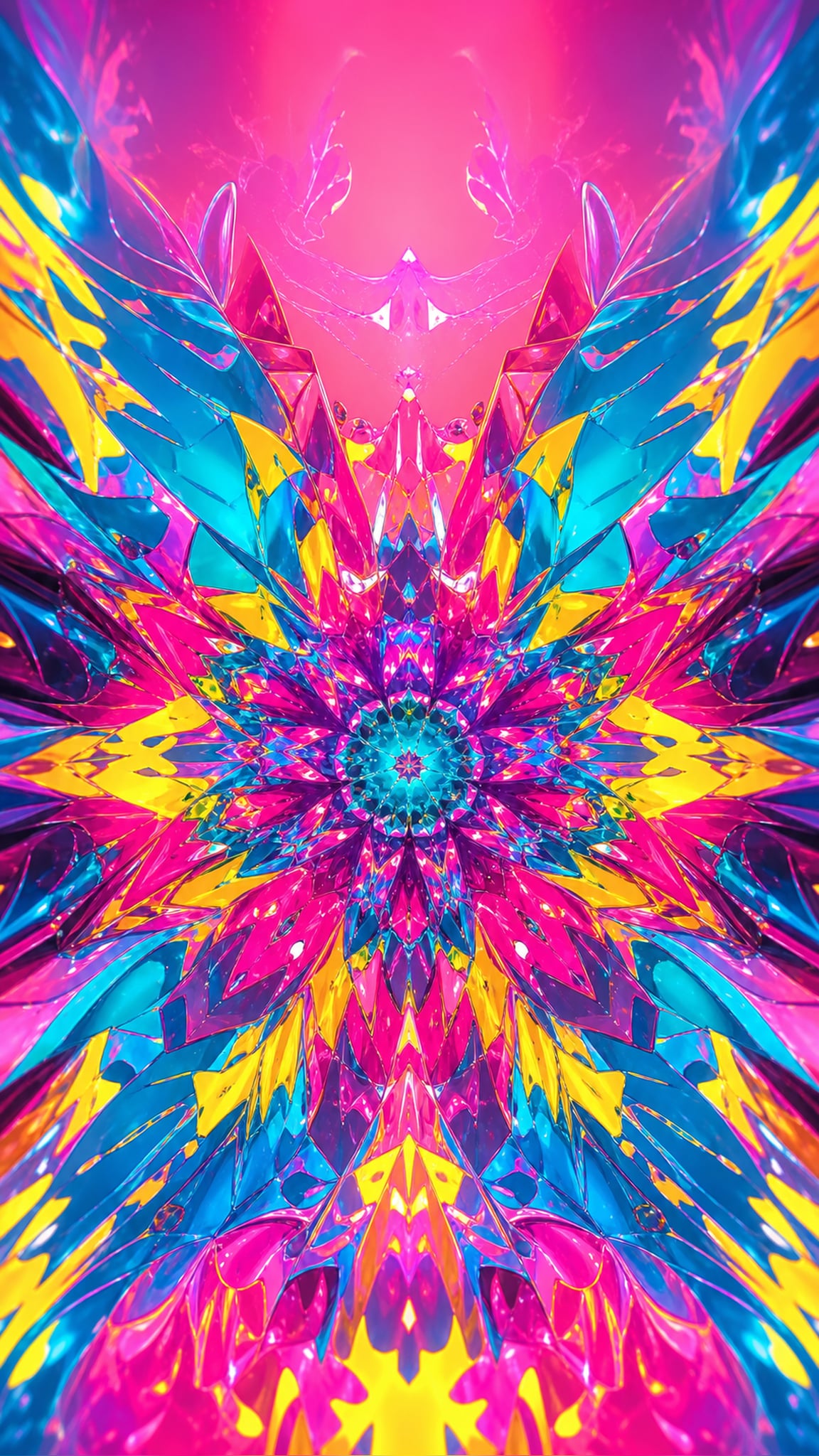
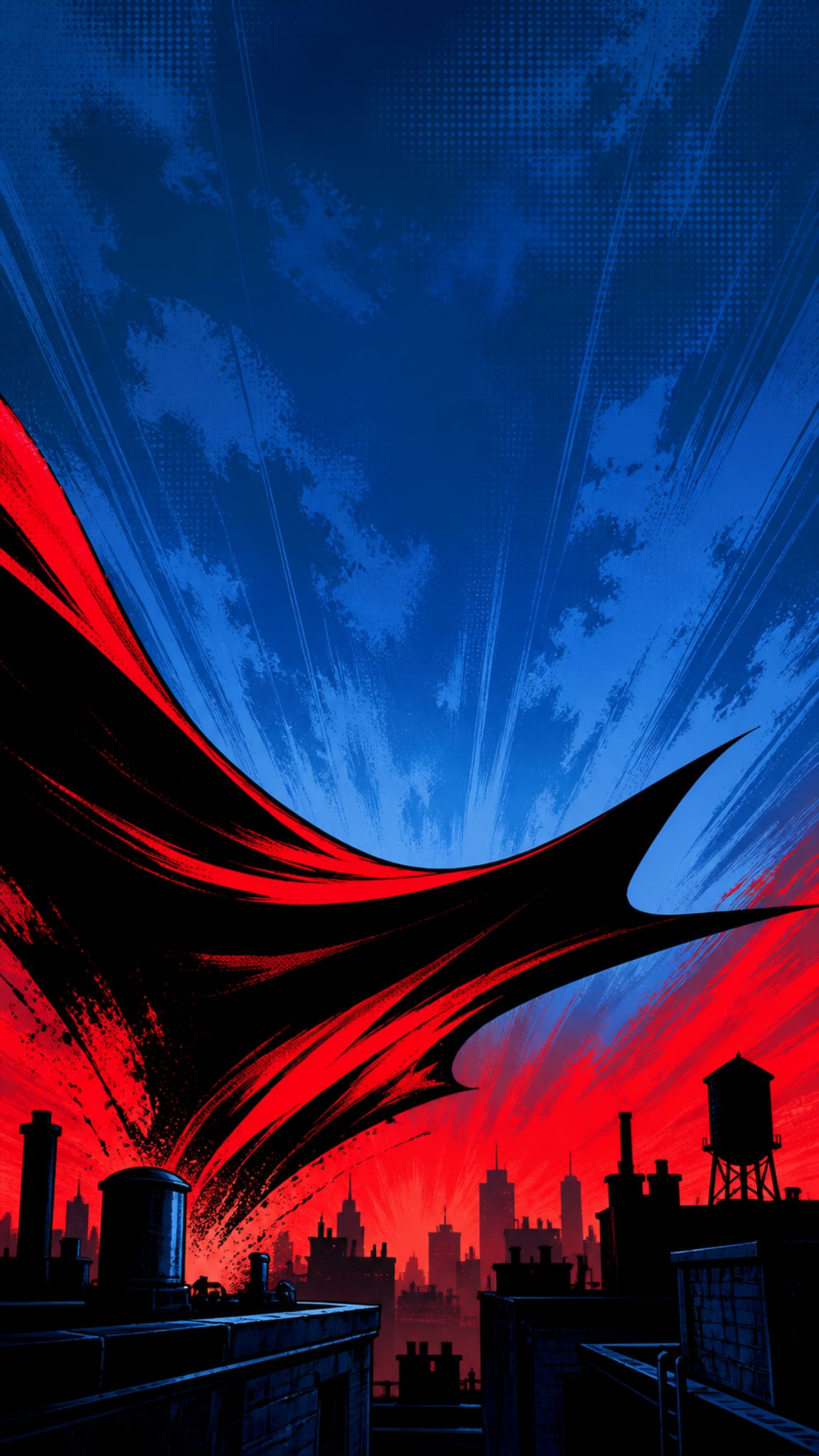
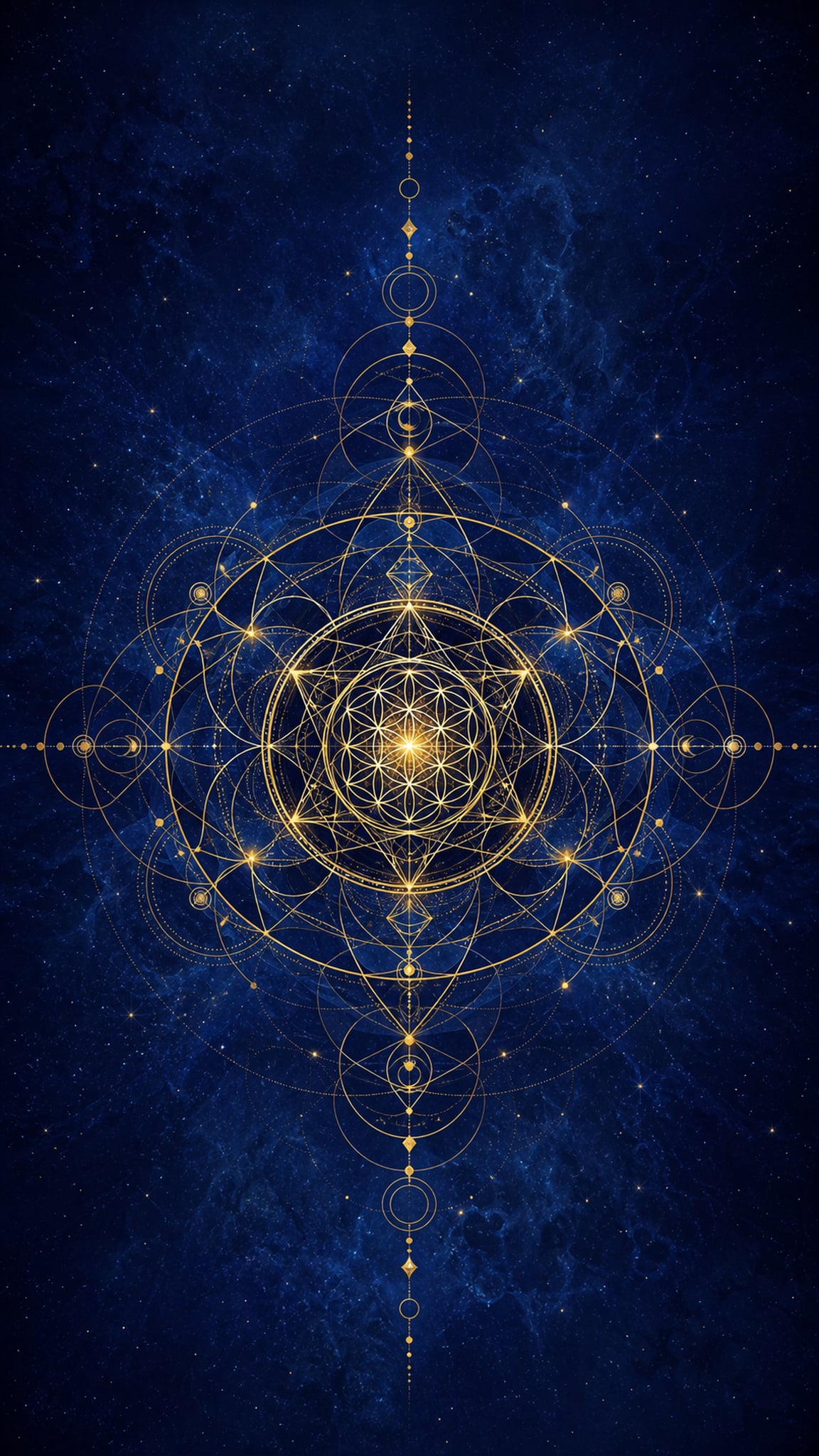
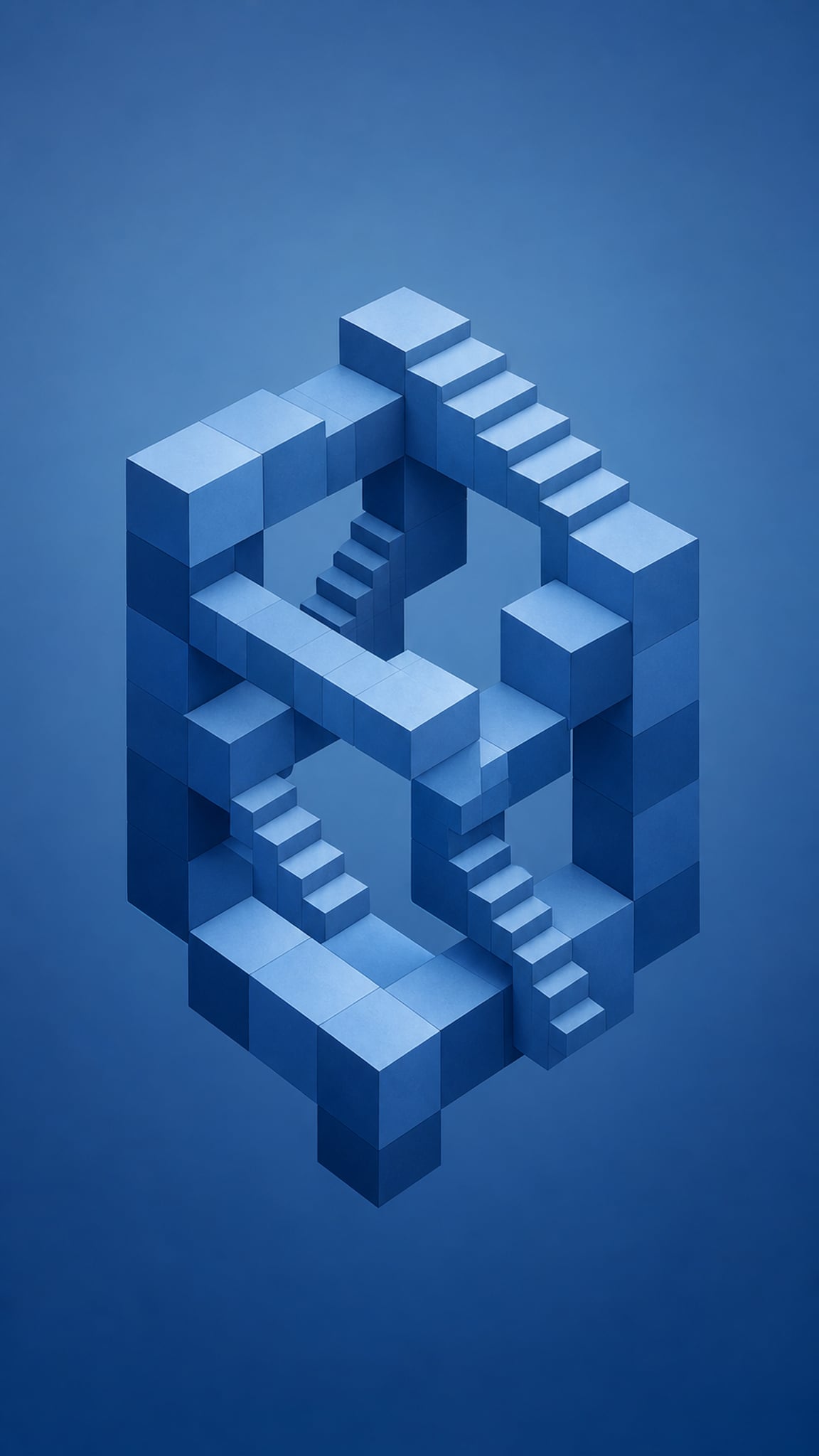
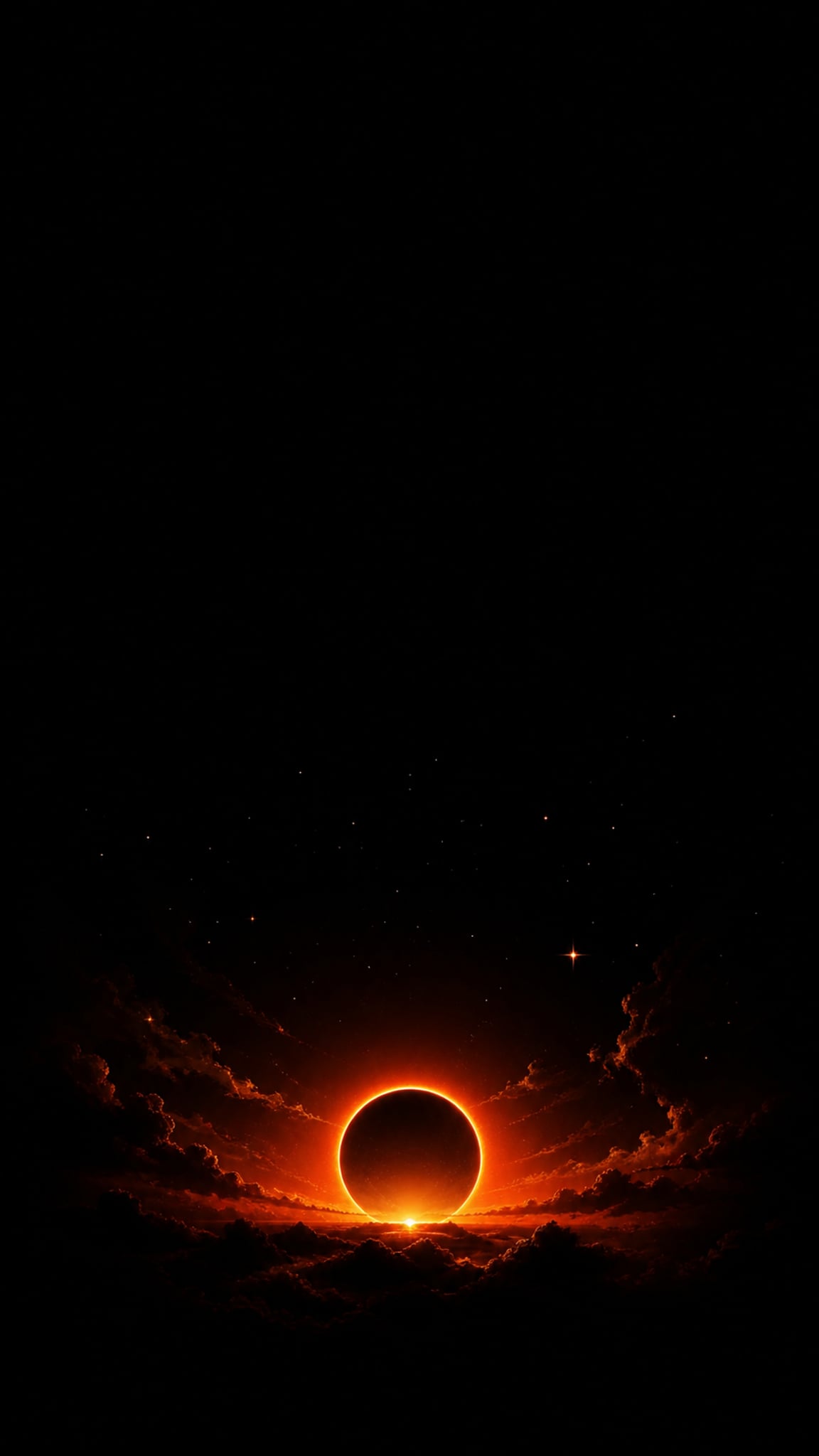
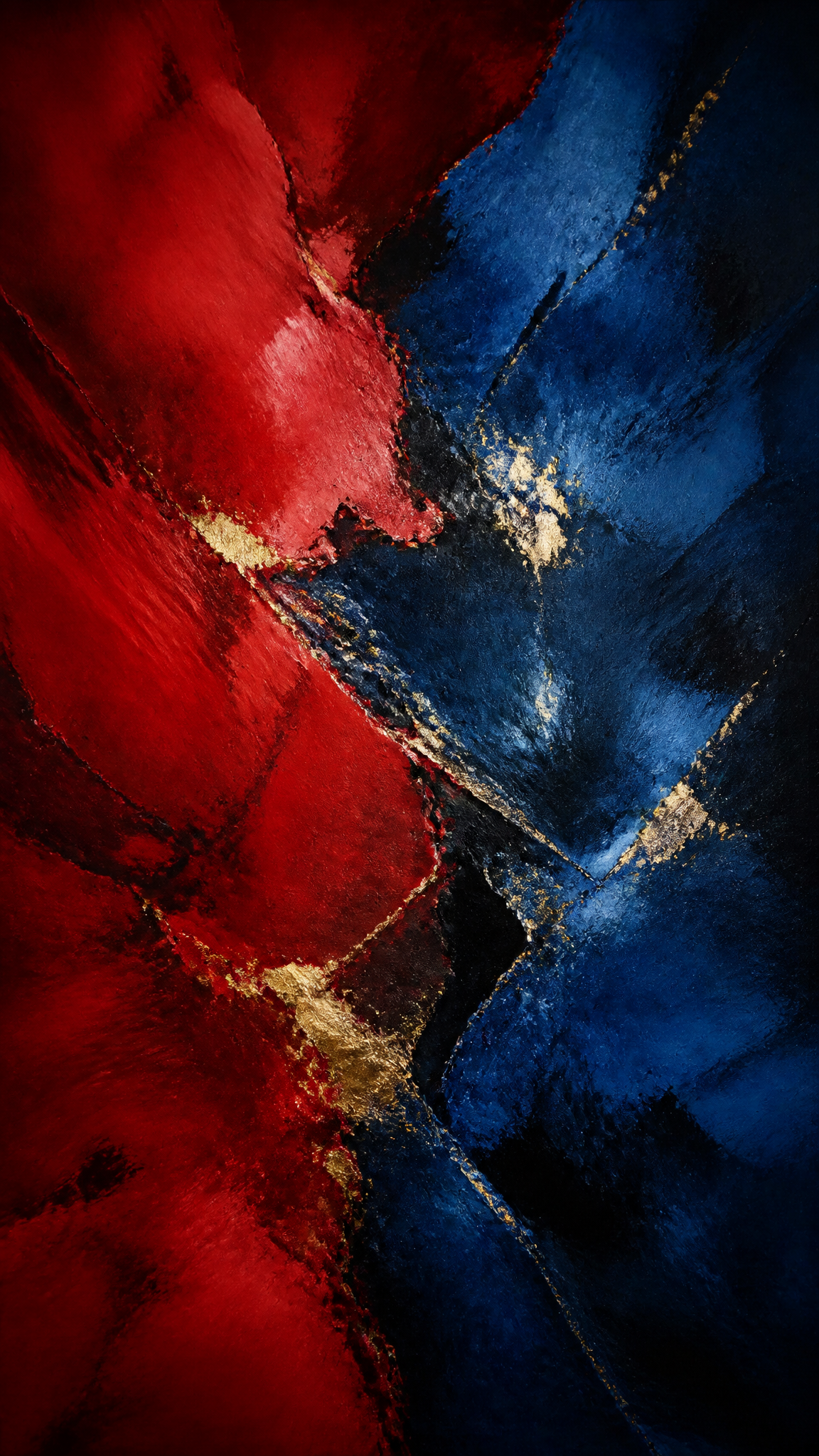
Abstract art is a major modern visual tradition defined by its departure from representational imagery in favor of shapes, colors, forms, and gestural marks. Originating in early 20th-century Europe with pioneers like Wassily Kandinsky, Piet Mondrian, and Kazimir Malevich, abstraction evolved through movements such as Suprematism, De Stijl, and Abstract Expressionism. As a wallpaper style, abstraction is useful for non-representational backgrounds that rely on color, rhythm, texture, and composition rather than a depicted subject.
Acerca del arte de Abstract
Abstract art emerged between 1906 and 1912 when several European artists independently moved away from representational imagery. Hilma af Klint produced what are now considered the first abstract paintings in 1906, though Wassily Kandinsky long claimed priority with works from 1911. Other key pioneers included Frantisek Kupka, Robert Delaunay, Piet Mondrian, and Kazimir Malevich. Malevich created his iconic Black Square in 1915, coining 'Suprematism' to describe the supremacy of pure artistic feeling over depiction. Mondrian developed 'Neo-Plasticism,' reducing composition to primary colors and rectangular grids. After World War II, Abstract Expressionism shifted the creative center from Paris to New York, with Jackson Pollock's revolutionary drip technique and Mark Rothko's luminous color fields defining two poles of the movement: Action Painting and Color Field Painting. From the 1960s onward, abstraction expanded into digital and generative art, with Harold Cohen pioneering computer-generated abstract drawings. Today, AI-generated abstract art continues this lineage, using algorithms and neural networks to create infinite variations of non-representational imagery.
Rasgos visuales
- Non-representational forms — shapes, lines, and marks with no direct reference to visible reality
- Bold color contrasts or subtle gradient transitions between hues
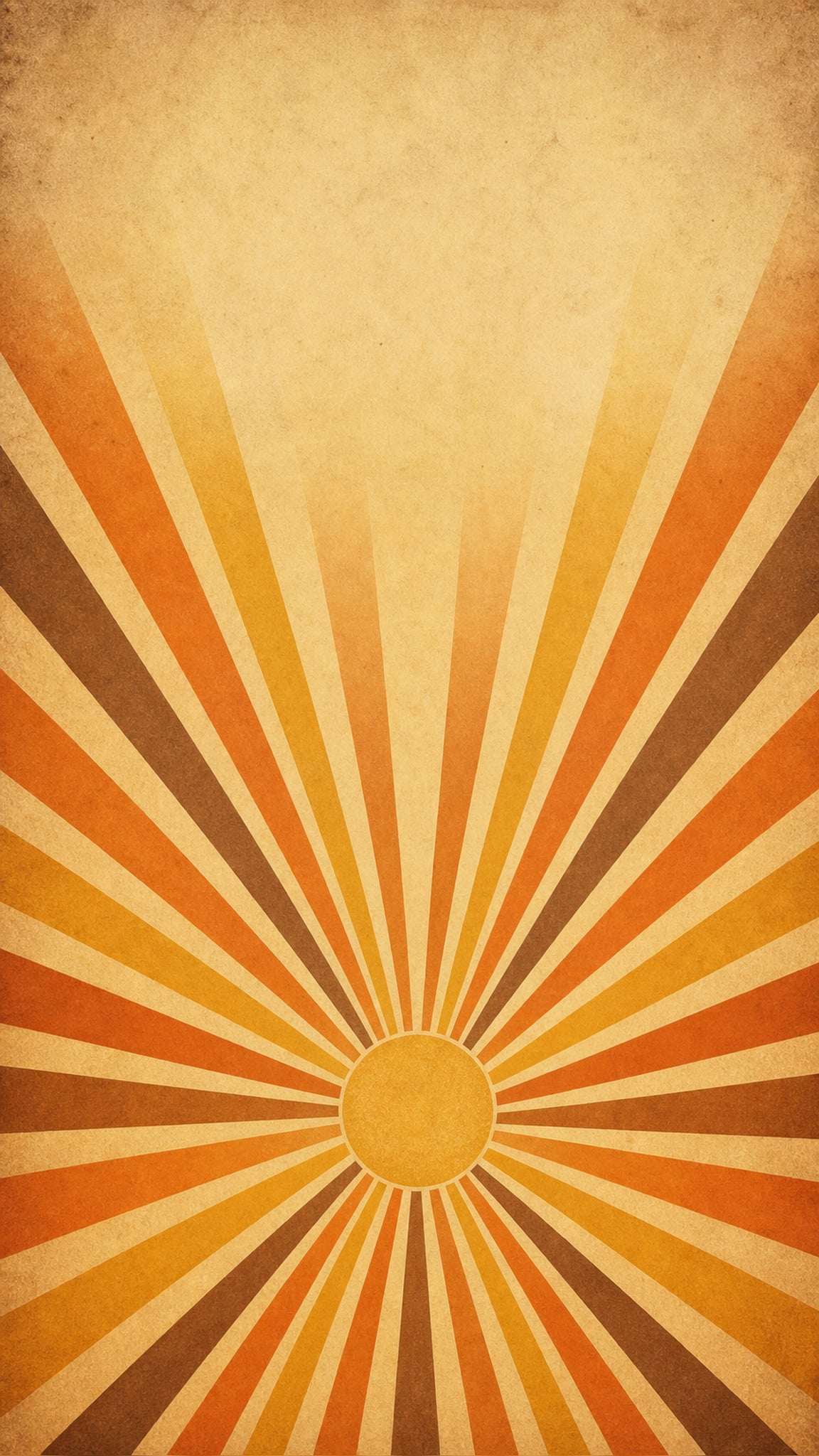
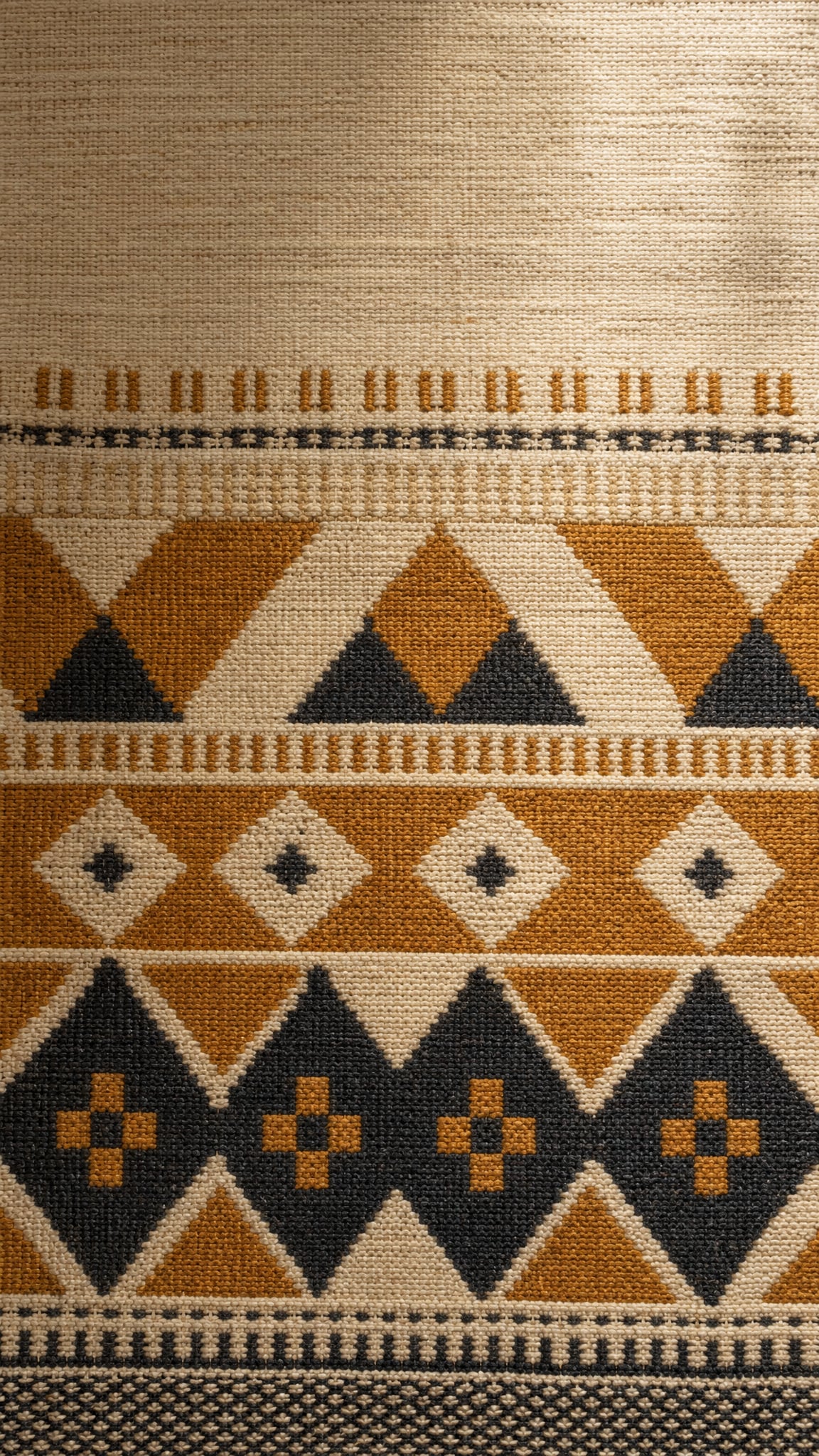
- Geometric elements — circles, squares, rectangles, grids, and hard-edged forms
- Organic and biomorphic shapes — flowing curves, amorphous forms, and natural-feeling contours
- Color fields — large areas of flat or softly blended color creating meditative effects
- Gestural brushstrokes and dynamic mark-making conveying energy and movement
- Layered compositions with depth created through overlapping translucent forms
- Texture exploration — from smooth gradients to impasto-like surface variation
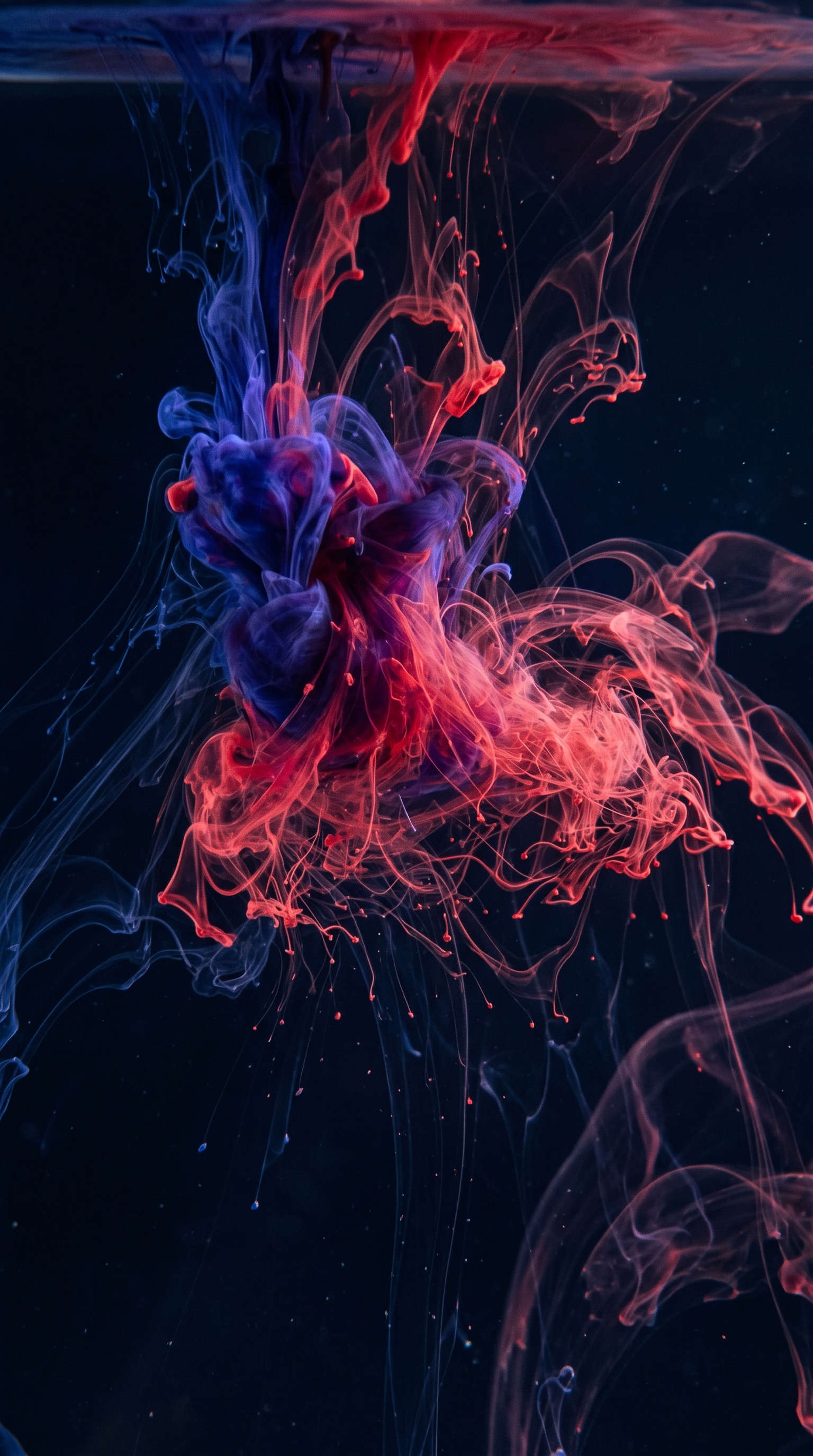
- Fluid and flowing compositions suggesting movement and spontaneity
- High contrast between minimal and complex visual areas within a single composition
Casos de uso
Universal desktop and phone wallpapers that complement any app layout or icon set
Creative workspace backgrounds that inspire without distracting
Art-forward device setups for designers, photographers, and creative professionals
Conversation-starting lock screens with museum-quality visual impact
Mood-setting backgrounds — calming color fields for focus, energetic compositions for motivation
Dual-monitor and ultrawide setups where non-representational imagery scales naturally
Professional meeting backgrounds that look polished without being corporate
Estilos similares
Diferente de
Guía de prompt
Indicaciones para el prompt
- Lead with visual qualities rather than subject matter — describe colors, shapes, textures, and composition instead of objects
- Specify an abstraction sub-style for more focused results: 'geometric abstraction,' 'color field,' 'gestural expressionist,' or 'fluid organic'
- Reference specific art movements for stylistic anchoring: 'in the style of Suprematism,' 'color field painting aesthetic,' or 'lyrical abstraction'
- Use sensory and emotional language: 'vibrant tension,' 'meditative calm,' 'rhythmic energy,' 'luminous depth'
- Define the color palette explicitly: 'warm earth tones,' 'monochromatic blues,' 'high-contrast primary colors,' or 'muted pastels with one bold accent'
- Specify composition structure: 'centered focal point with radiating forms,' 'asymmetric balance,' 'all-over pattern with no focal hierarchy'
Consejos
- Internal editorial suggestion: Start with a strong color palette direction and one compositional concept — this gives the AI enough structure to create interesting results without becoming representational
- Internal editorial suggestion: For phone wallpapers, favor vertical compositions with the visual weight in the center-to-lower-third, keeping the top area simpler for clock and notification readability
- Internal editorial suggestion: For desktop wallpapers, specify 'seamless' or 'balanced composition' to avoid awkward visual weight that fights with desktop icons
- Internal editorial suggestion: Combine 2-3 texture terms for richer results: 'smooth gradient with rough painterly edges and fine grain texture'
- Internal editorial suggestion: Use negative prompting to exclude unwanted elements: avoid faces, text, recognizable objects, borders, frames, and watermarks
Palabras clave recomendadas
Evitar
Errores comunes
- Being too literal — prompts like 'abstract painting of a sunset' often produce semi-realistic sunsets rather than true abstraction
- Over-specifying details forces the AI toward representational output instead of non-objective composition
- Using too many conflicting style references creates visual incoherence
- Neglecting aspect ratio and resolution specifications leads to poor wallpaper fit
- Requesting 'abstract background' alone is too vague — AI defaults to generic gradients without compositional interest