#Maximalist
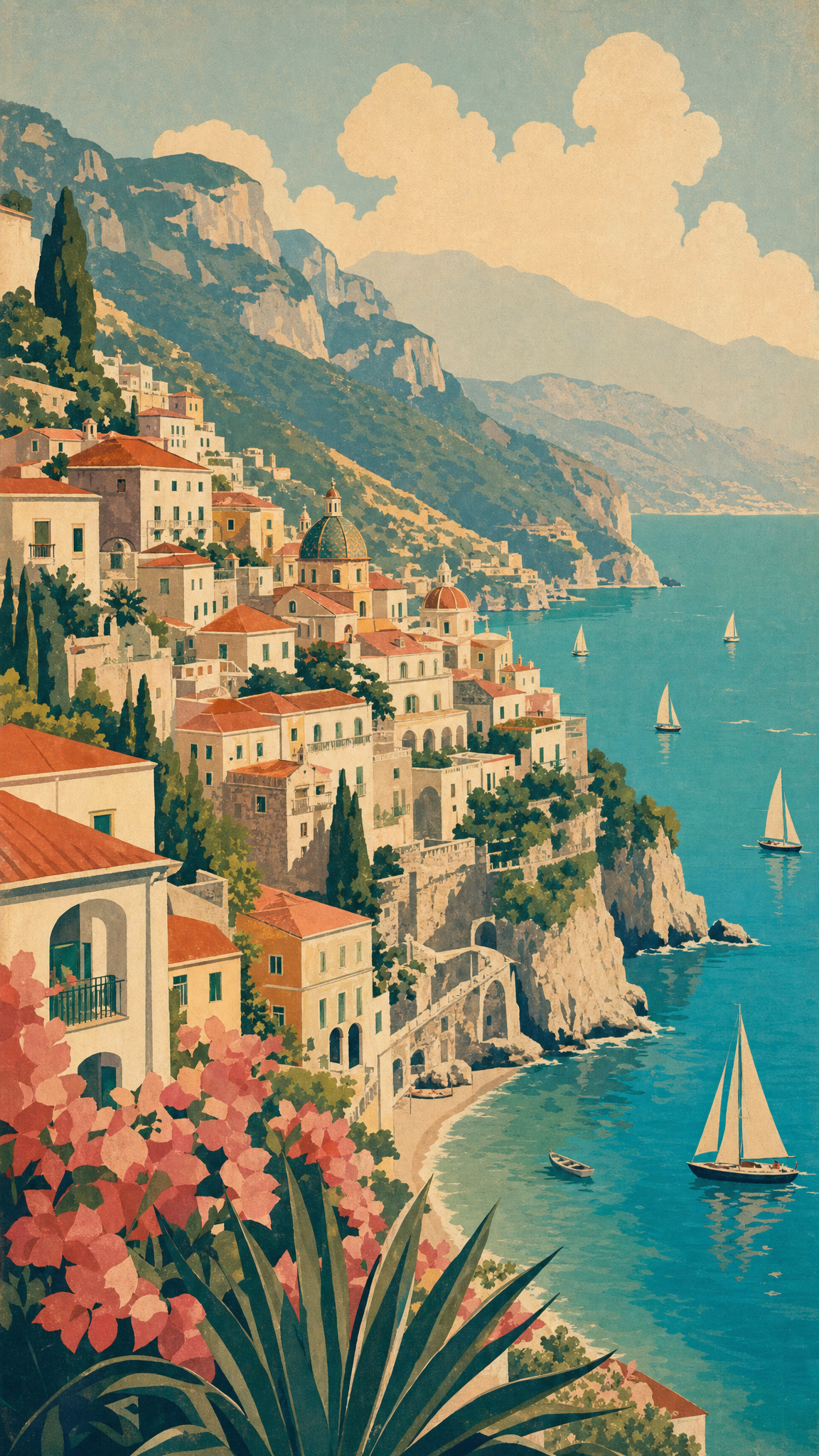
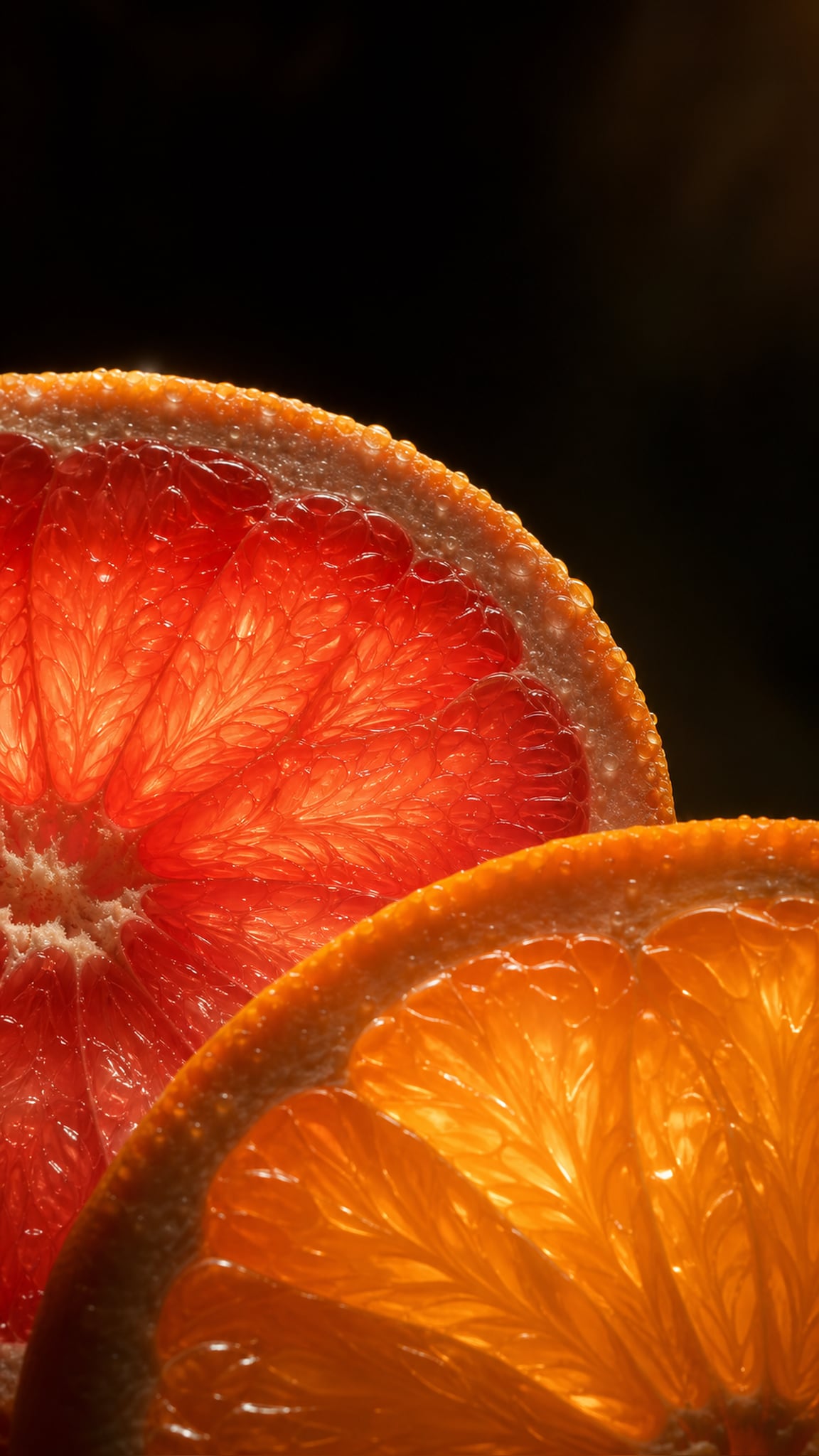
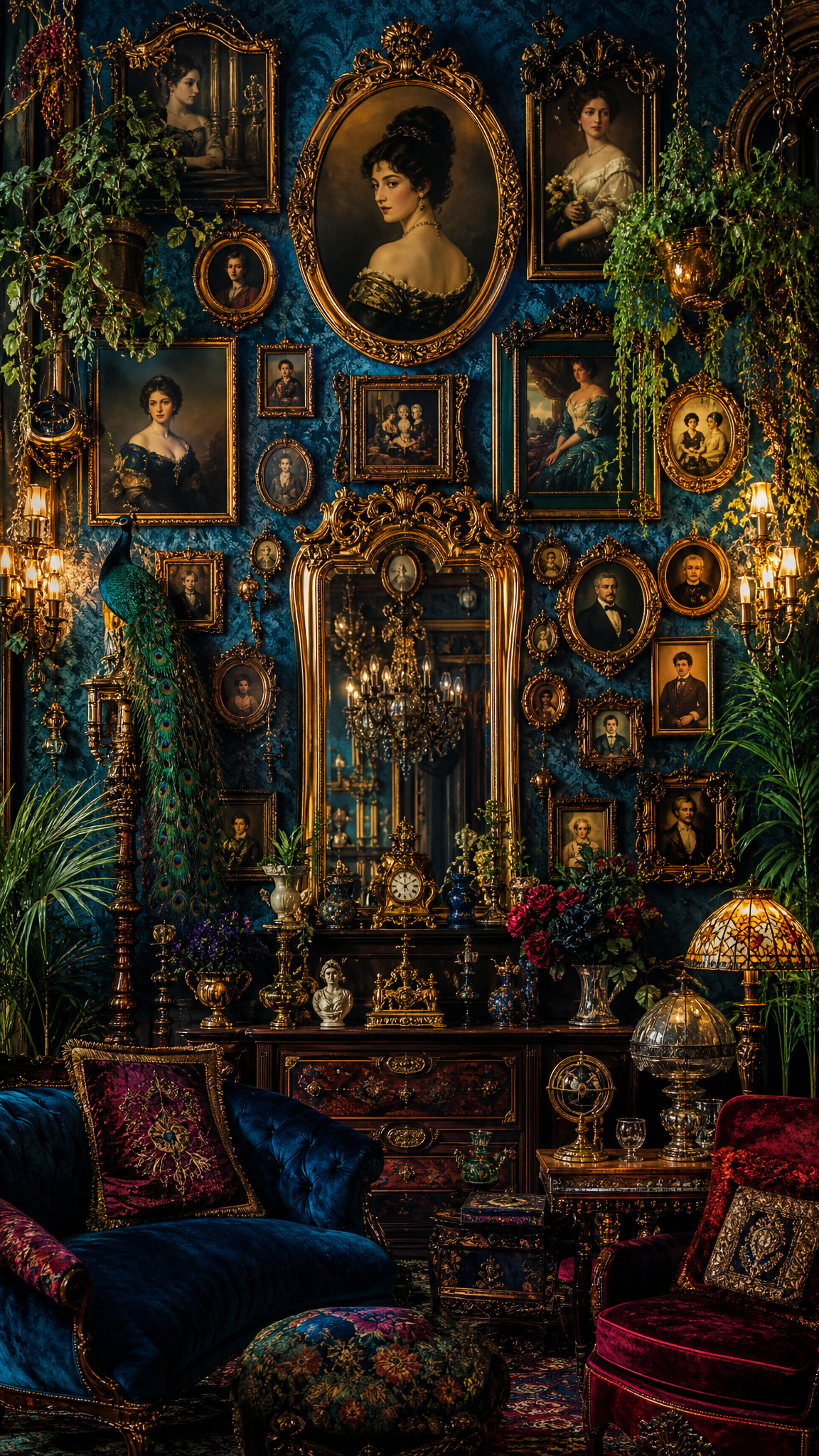
Maximalist wallpapers embrace the philosophy of 'more is more' through dense patterns, bold saturated colors, mixed textures, and ornate layering. Every inch of the composition contributes to a sense of visual abundance and controlled excess. Inspired by postmodern design movements like the Memphis Group and centuries of decorative art traditions, maximalist wallpapers deliver unapologetic richness that commands attention. These wallpapers transform screens into opulent tapestries of color, pattern, and detail.
Acerca del arte de Maximalist
Maximalism as an aesthetic philosophy emerged as a direct reaction against minimalism's 'less is more' doctrine. The Memphis Group, founded by Ettore Sottsass in Milan on December 6, 1980, became one of the most influential maximalist design collectives, active until 1987. The group's colorful, asymmetrical, pattern-heavy furniture and objects challenged modernist design orthodoxy and were described as 'a shotgun wedding between Bauhaus and Fisher-Price.' Maximalism also draws from centuries of ornamental traditions including Baroque excess, Victorian decorative arts, and Islamic geometric pattern work. In contemporary design, maximalism experienced a major resurgence in the 2010s as a counter-trend to the dominant minimalist digital aesthetic.
Rasgos visuales
- Dense, all-over pattern coverage with no negative space left empty
- Bold, fully saturated color palette with high-contrast combinations
- Pattern-on-pattern layering: florals over geometrics over textures
- Mixed material references: velvet, marble, gilt, ceramic, terrazzo
- Ornate borders, frames, and decorative flourishes
- Asymmetrical compositions with multiple competing focal points
- Rich metallic accents: gold leaf, copper, bronze patina
- Eclectic style mixing: Art Deco motifs alongside tropical botanicals
- Intricate small-scale details that reward close inspection
- Clashing color combinations that create vibrant visual tension
- Layered depth through overlapping decorative elements
- Typography and text as decorative pattern elements
Casos de uso
Statement desktop wallpapers for creative professionals who want visual stimulation
Social media profile backgrounds that convey bold personality
Tablet wallpapers where larger screen size can showcase dense detail
Digital art gallery backdrops celebrating decorative abundance
Fashion and luxury brand digital environments
Gaming setup wallpapers complementing RGB lighting aesthetics
Estilos similares
Diferente de
Guía de prompt
Indicaciones para el prompt
- Stack pattern types explicitly: 'dense floral pattern overlaid with geometric grid and scattered terrazzo chips'
- Specify color clash intent: 'hot pink against emerald green against electric orange, all at full saturation'
- Layer textures by name: 'velvet texture background, marble inlay panels, gold leaf border accents'
- Request fill density: 'every area of the composition filled with decorative detail, no empty space'
- Mix era references deliberately: 'Art Deco fan motifs combined with 1980s Memphis Group shapes and Victorian floral borders'
- Add metallic richness: 'gold and copper metallic accents throughout, with reflective highlights'
Consejos
- Internal editorial suggestion: maximalist wallpapers work best at high resolution where dense details are visible — prioritize 4K renders
- Internal editorial suggestion: pair with tags like 'bold', 'colorful', 'ornate', 'pattern' for discovery clustering
- Internal editorial suggestion: position maximalist as the bold counterpoint to the site's calm/ethereal/minimal styles in editorial copy
- Internal editorial suggestion: Memphis Group and Baroque are strong SEO-linked subtopics worth mentioning in page copy for long-tail search
Palabras clave recomendadas
Evitar
Errores comunes
- Producing visual chaos without compositional structure — maximalism is controlled excess, not random noise
- Defaulting to a single pattern type repeated — true maximalism mixes multiple pattern types in one composition
- Using desaturated or pastel colors — AI may soften palette; explicitly specify full saturation
- Creating symmetric, orderly grid layouts — maximalism favors asymmetric, organic arrangements of dense elements