#Cubism
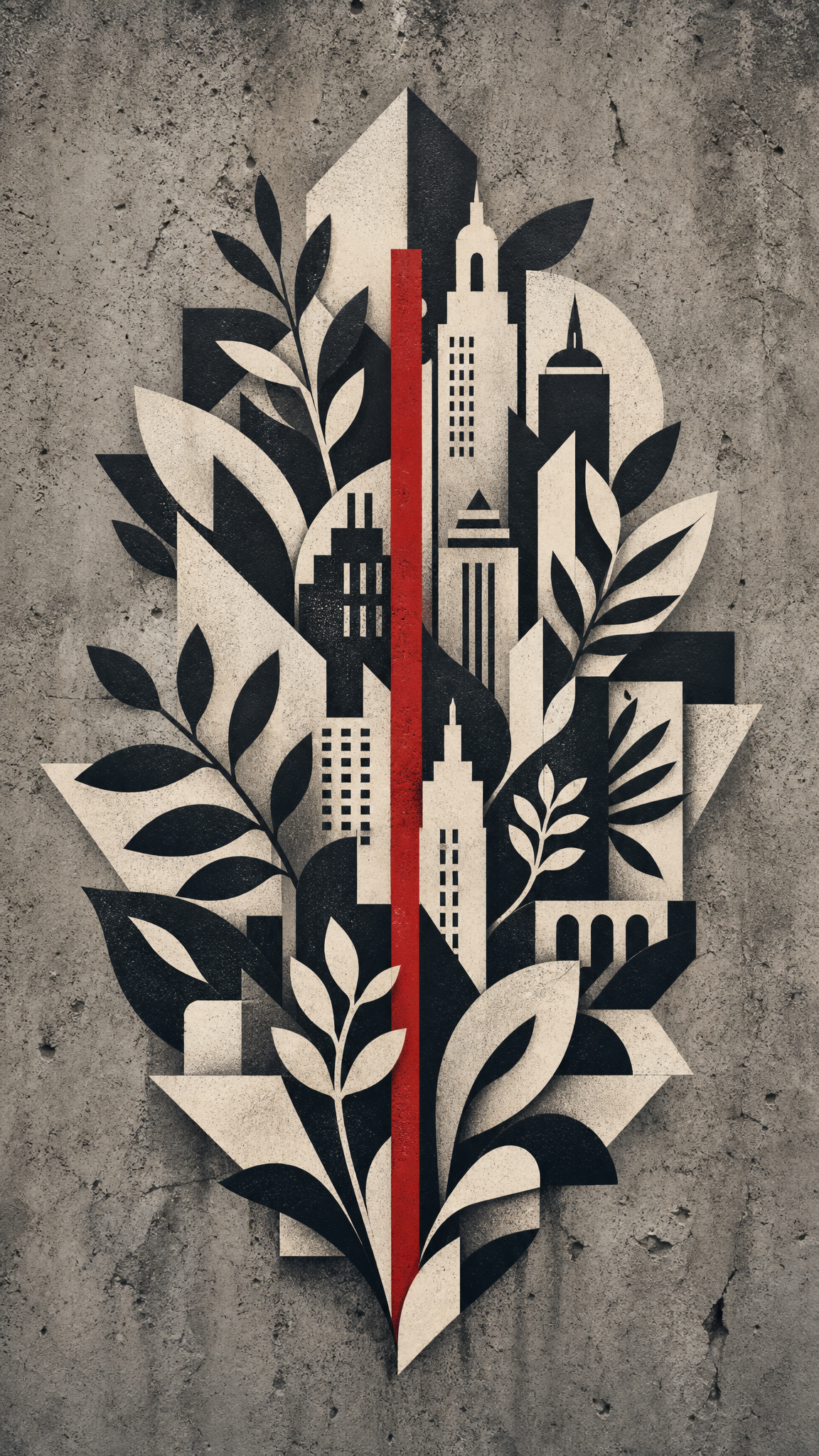
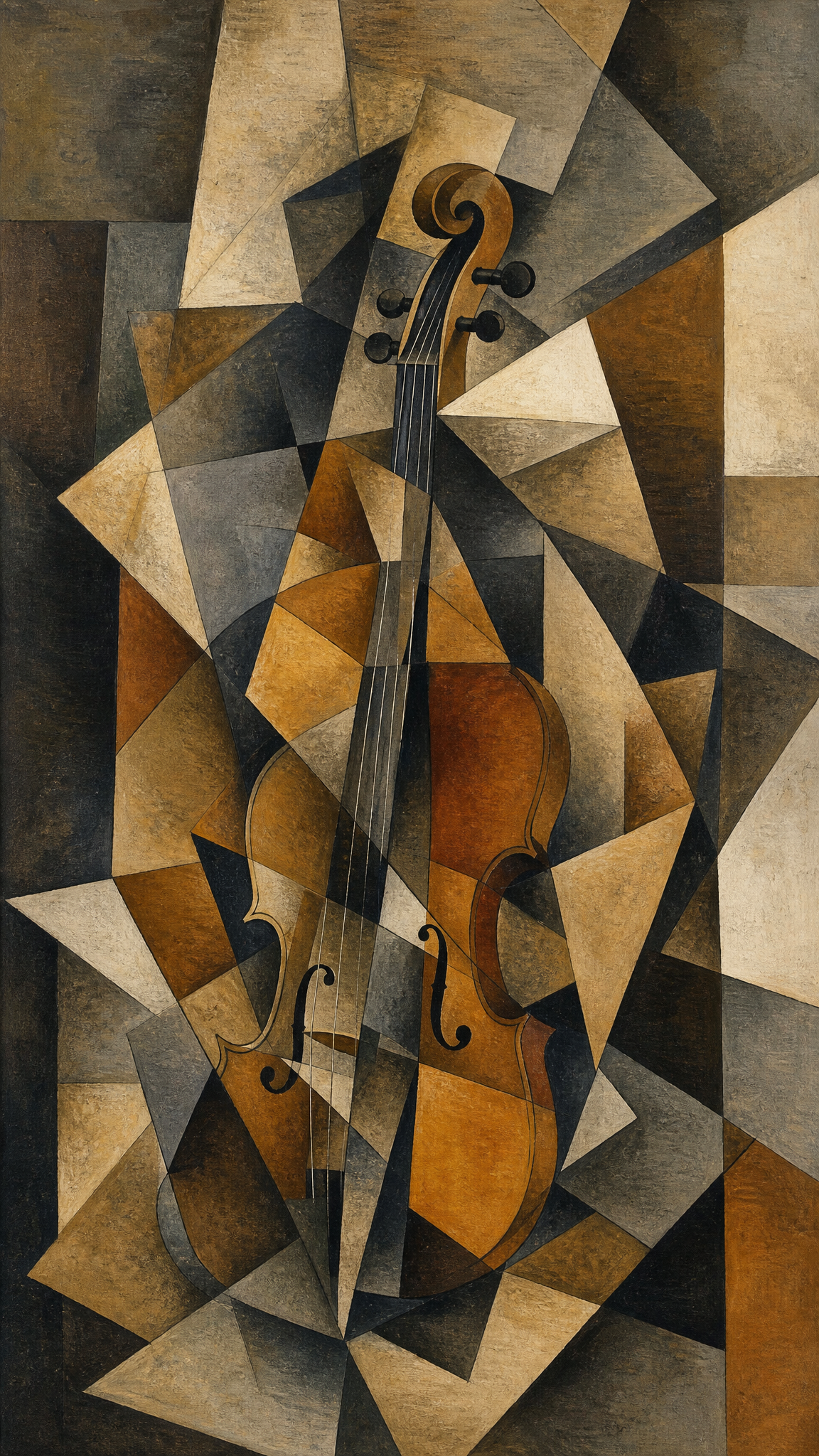
Cubism wallpapers bring fractured geometry, multi-angle perception, and constructed visual intelligence into screen backgrounds. Rather than showing the world from a single stable viewpoint, Cubism breaks objects into facets and planes, presenting multiple angles at once. In wallpaper terms, it creates backgrounds that feel modernist, analytical, and structurally bold.
Cubismアートについて
Cubism was developed principally by Pablo Picasso and Georges Braque in Paris between 1907 and 1914. Britannica emphasizes the movement's rejection of traditional perspective, foreshortening, modeling, and chiaroscuro, while the National Gallery of Art describes Cubism as taking apart the traditional language of representation and reassembling it into fractured but not fully abstract images. That shift made Cubism one of the most influential visual revolutions of the 20th century and a lasting reference point for geometric poster design, collage logic, and structurally experimental wallpapers.
ビジュアルの特徴
- Fragmented objects broken into geometric facets and planes
- Multiple viewpoints suggested within a single image
- Flattened space rather than deep illusionistic perspective
- Angular construction and interlocking shapes
- Muted neutrals, ochres, grays, browns, or controlled accent color
- A balance between recognizable subject and formal abstraction
- Collage-like visual logic in many variants
- Reduced modeling and less emphasis on natural light-source realism
- Compositions that feel built rather than observed
- Strong structural rhythm suitable for poster and wallpaper adaptation
活用例
Modernist desktop wallpapers for design and architecture workspaces
Abstract-but-intellectual backgrounds that avoid generic pattern design
Collage-inspired wallpapers with strong geometric character
Art-history-led wallpapers for studio or editorial environments
Muted structured backgrounds that still carry strong visual identity
類似スタイル
異なる点
プロンプトガイド
プロンプトの方向性
- Call the style directly: 'Cubist wallpaper' or 'Cubist fragmented still life composition'
- Name the subject to fracture: guitar, portrait, bottle, city block, violin, still life table, or architectural facade
- Ask for faceted planes, multiple viewpoints, and flattened spatial construction
- Use muted earthy or neutral palettes if you want an analytical Cubist feel; introduce collage paper textures for synthetic variants
- If the result feels too decorative, increase structural angularity and reduce ornamental flourish
ヒント
- Internal editorial suggestion: Still life subjects are the easiest route to clearly recognizable Cubist wallpapers.
- Internal editorial suggestion: Neutral palettes usually read more Cubist than rainbow geometric palettes.
- Internal editorial suggestion: Cross-link with `geometric`, `abstract`, and `futurism` helps users refine intent.
- Internal editorial suggestion: Cubist wallpapers often work best when one larger stable shape anchors the composition.
おすすめキーワード
避けること
よくある失敗
- Making the image look like random triangles instead of analyzed form
- Pushing too far into generic abstraction and losing Cubist structure
- Using overly bright decorative palettes that weaken the modernist feel
- Keeping natural perspective, which undermines the movement's core break