#Surrealist
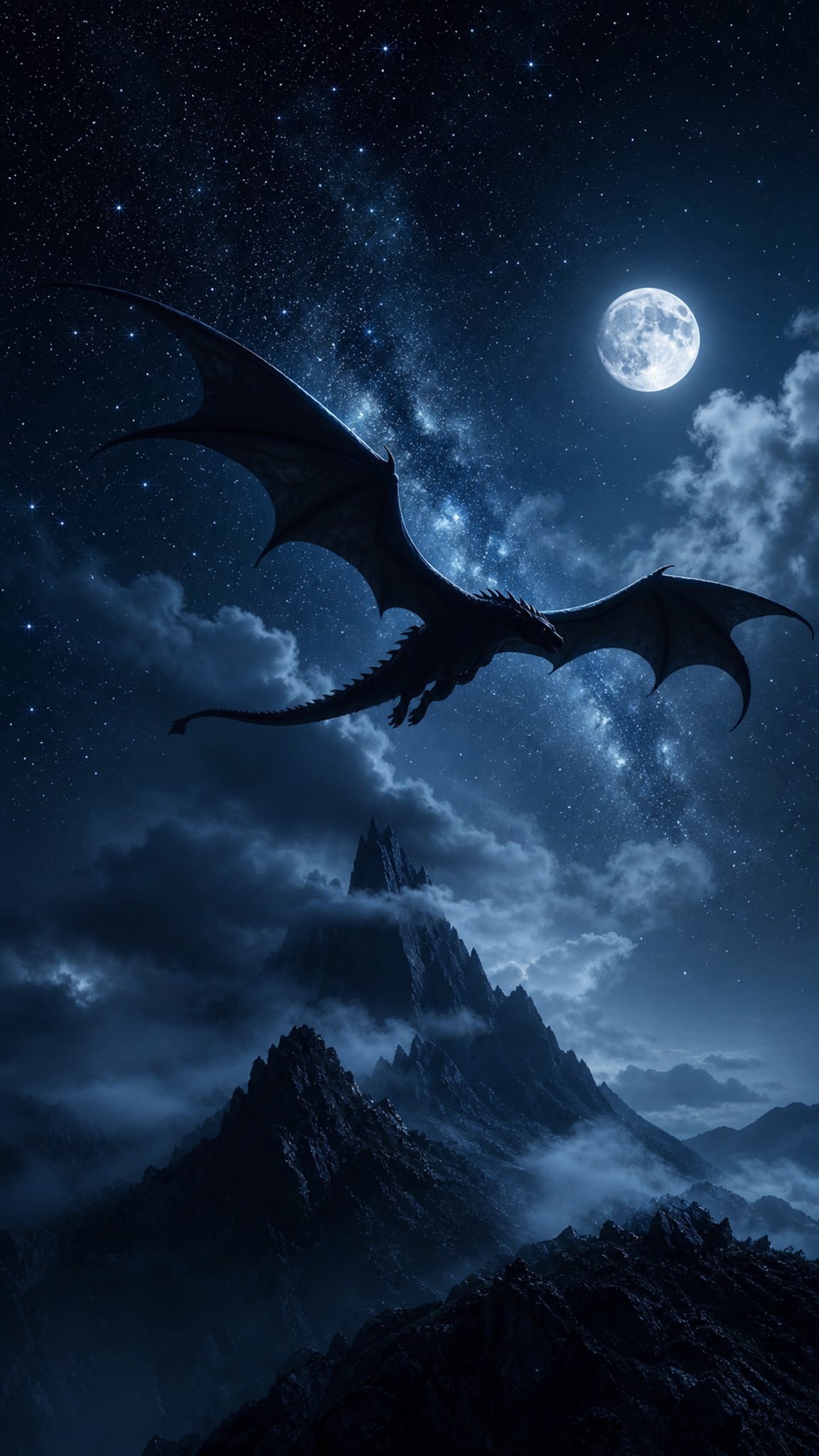
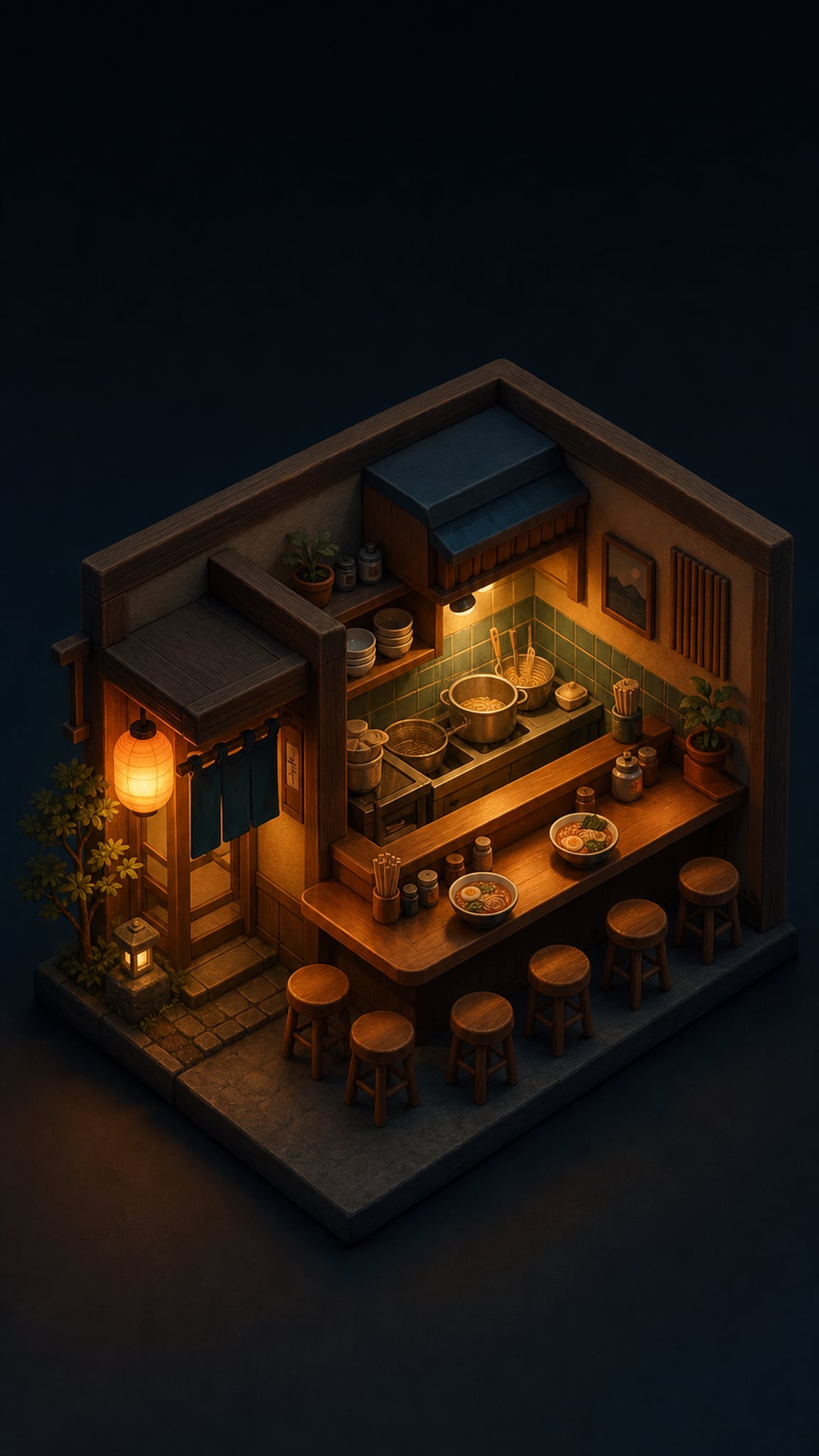
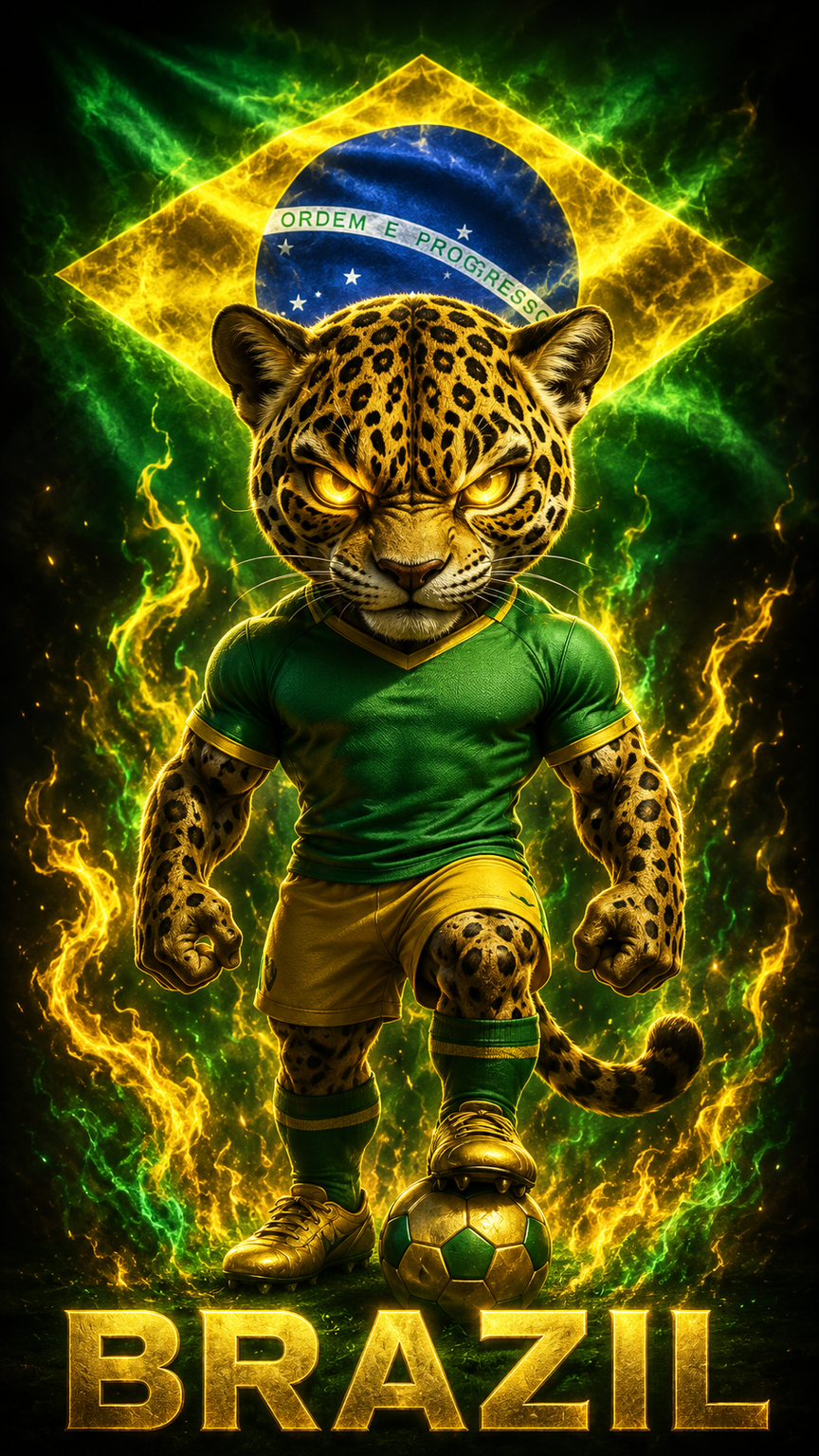
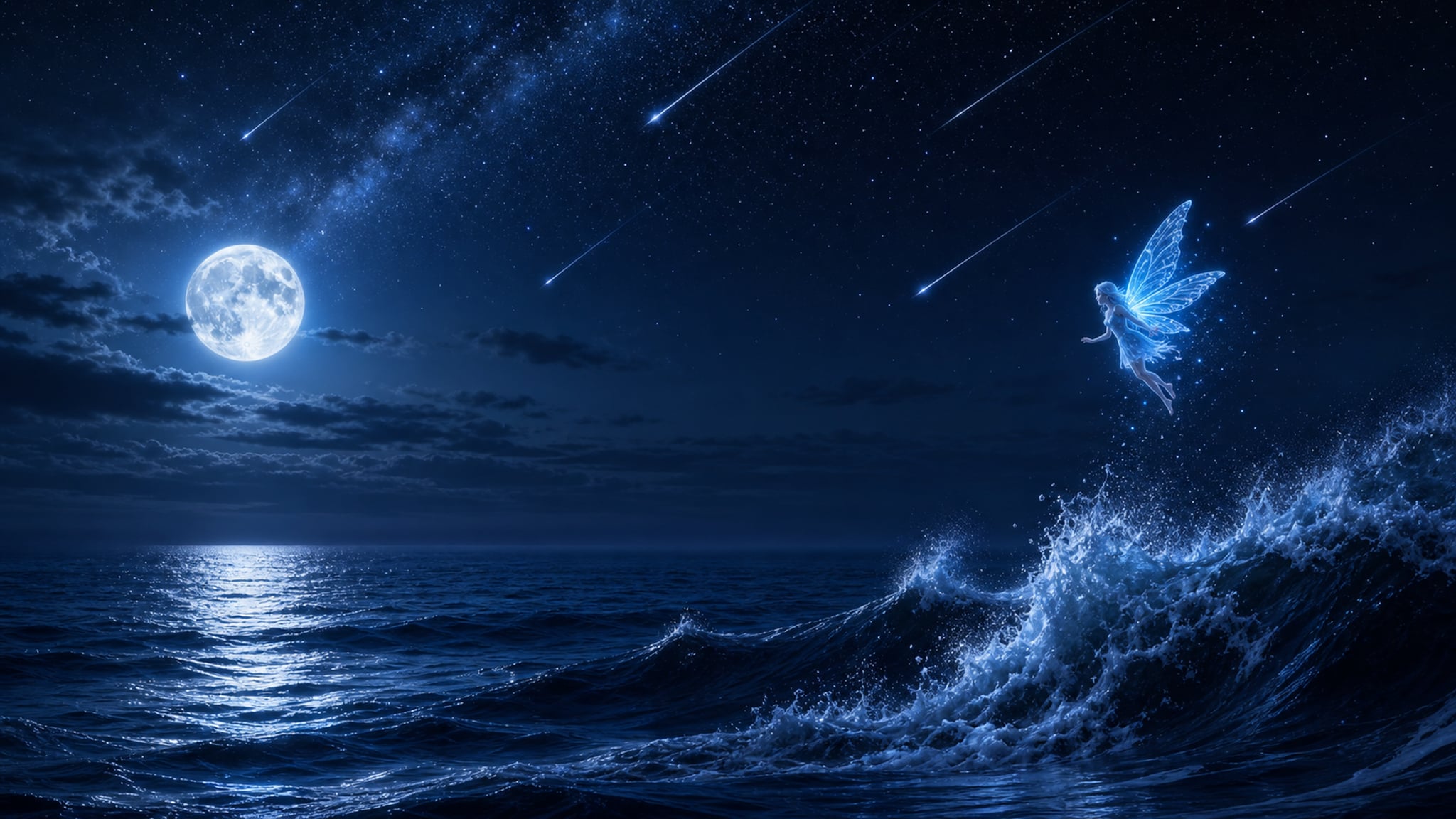
Surrealism is an art movement officially founded in Paris in October 1924, rooted in Freudian psychoanalysis and the exploration of the unconscious mind. Visually, surrealism splits into two approaches: veristic surrealism (hyper-realistic rendering of impossible scenes, as in Dali and Magritte) and automatist surrealism (spontaneous, biomorphic abstraction, as in Miro and Ernst). As a wallpaper style, surrealist imagery delivers dreamlike, visually rich compositions with strong focal points and vast perspective depth — particularly well-suited to widescreen desktop displays.
Surrealistアートについて
The word 'surrealism' was first coined by Guillaume Apollinaire in March 1917. The movement was officially founded in October 1924 when Andre Breton published the 'Manifesto of Surrealism' in Paris, defining surrealism as 'pure psychic automatism.' Surrealism grew out of the Dada movement (1910s) but rejected Dada's nihilism in favor of 'positive expression.' Its intellectual roots lie in Sigmund Freud's psychoanalytic theories and dream studies; Breton trained in psychiatry and used Freud's methods on shell-shocked WWI soldiers. Key early work includes 'The Magnetic Fields' (1920) by Breton and Philippe Soupault — automatic writing experiments predating the manifesto. Major visual artists include Max Ernst and Joan Miro (automatist approach), and Salvador Dali, Rene Magritte, and Yves Tanguy (veristic/illusionistic approach). The Met Museum identifies two distinct visual branches: veristic surrealism, which renders impossible scenes with photographic precision, and organic/automatist surrealism, which produces spontaneous biomorphic forms. Surrealist techniques — including frottage (rubbing textured surfaces), grattage (scraping pigment over texture), decalcomania (pressing surfaces together), and the exquisite corpse (collaborative drawing) — were designed to bypass conscious control and access the unconscious.
ビジュアルの特徴
- Dreamscapes and impossible landscapes with vast perspective depth
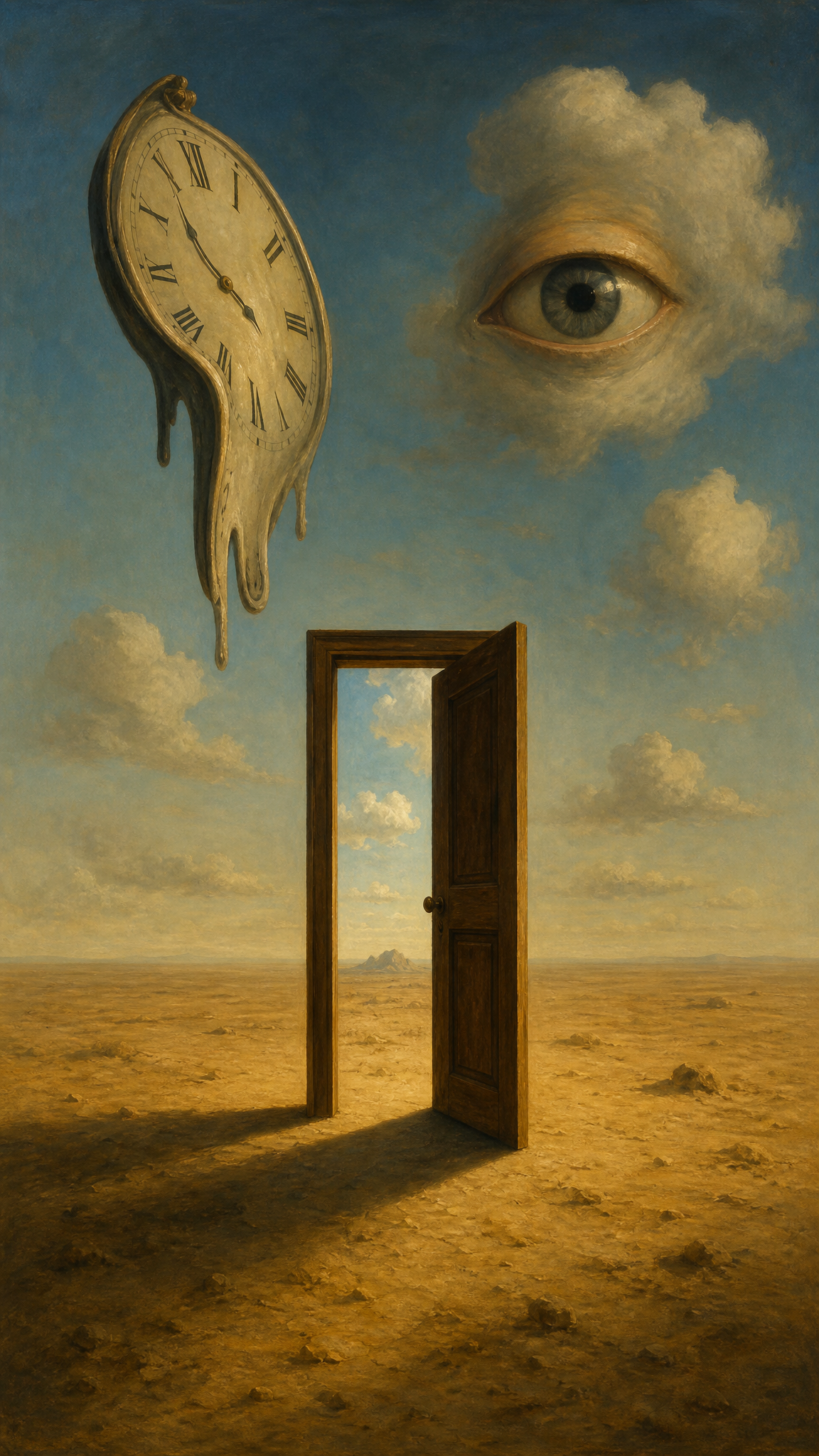
- Melting, distorted, or morphing forms (Dali's melting clocks being the most iconic example)
- Unexpected juxtapositions of ordinary objects in impossible contexts
- Vast empty landscapes with stark horizon lines and isolated floating objects
- Biomorphic shapes — organic, amoeba-like forms (Miro, Arp, Tanguy)
- Impossible architecture and spatial contradictions
- Hyper-realistic rendering of impossible scenes (veristic surrealism)
- Color palettes vary by artist: Dali used vivid saturated colors; Tanguy favored monochromatic greys; Magritte used naturalistic blue skies with impossible subjects; Miro used bright primaries
- Strong focal points within dreamlike atmospheric settings
- Trompe l'oeil effects and visual paradoxes
- Deep perspective compositions with dramatic vanishing points
- Collage elements and found-object integration
活用例
Desktop widescreen (16:9, ultrawide) — surrealist landscapes with vast horizons naturally suit widescreen; deep perspective compositions fill the frame dramatically
Mobile (9:16) — Magritte-style compositions with central floating objects work well vertically
Dual-monitor setups — panoramic dreamscapes spanning monitors effectively
Dark and moody setups — Tanguy's monochromatic dreamscapes suit dark-themed desktops
Creative and artist workspaces — the style signals artistic sophistication
4K+ displays — hyper-detailed veristic surrealism rewards high resolution
類似スタイル
異なる点
プロンプトガイド
プロンプトの方向性
- Start with a scene type: 'surreal dreamscape,' 'impossible landscape,' 'floating objects in empty space'
- Specify a visual approach: 'Dali-style melting forms,' 'Magritte-style paradox,' 'Tanguy-style alien landscape,' 'Miro-style biomorphic shapes'
- Add atmospheric modifiers: 'dreamlike,' 'uncanny,' 'otherworldly,' 'vast empty horizon'
- Include specific surrealist motifs: 'melting clocks,' 'floating objects,' 'impossible architecture,' 'eyes in unexpected places'
- For hyper-detailed output: 'photorealistic surrealism,' 'veristic,' 'detailed impossible scene'
- Always specify aspect ratio: '--ar 16:9' for desktop, '--ar 9:16' for phone
ヒント
- Internal editorial suggestion: The most effective surrealist wallpapers feature one strong impossibility in an otherwise calm setting. 'A giant apple filling a room' (Magritte) is more surreal than a chaotic collection of random objects.
- Internal editorial suggestion: For desktop wallpapers, vast empty landscapes with a single surreal element (floating object, impossible horizon) leave clean space for icons while being visually striking.
- Internal editorial suggestion: Reference specific artists for style control — 'Dali' produces warm, detailed Spanish landscapes; 'Tanguy' produces cool, alien moonscapes; 'Magritte' produces everyday scenes with one paradoxical element.
- Internal editorial suggestion: Adding 'photorealistic rendering' to surrealist prompts produces the most impactful results — the more realistic the rendering, the more jarring the impossibility.
- Internal editorial suggestion: For phone wallpapers, vertical compositions with a single floating object against an empty sky (Magritte-style) are most effective.
おすすめキーワード
避けること
よくある失敗
- Producing generic fantasy instead of surrealism — surrealism should feel unsettling and paradoxical, not escapist
- Making the image too chaotic — the best surrealism juxtaposes impossibility with calm, precise rendering
- Missing the vast empty space — surrealist compositions often feature dramatic negative space and horizon lines
- Confusing surrealism with psychedelic art — surrealism is dreamlike and uncanny, not kaleidoscopic and neon
- Over-prompting with too many elements — a single impossible juxtaposition is more powerful than a cluttered scene