#Anime
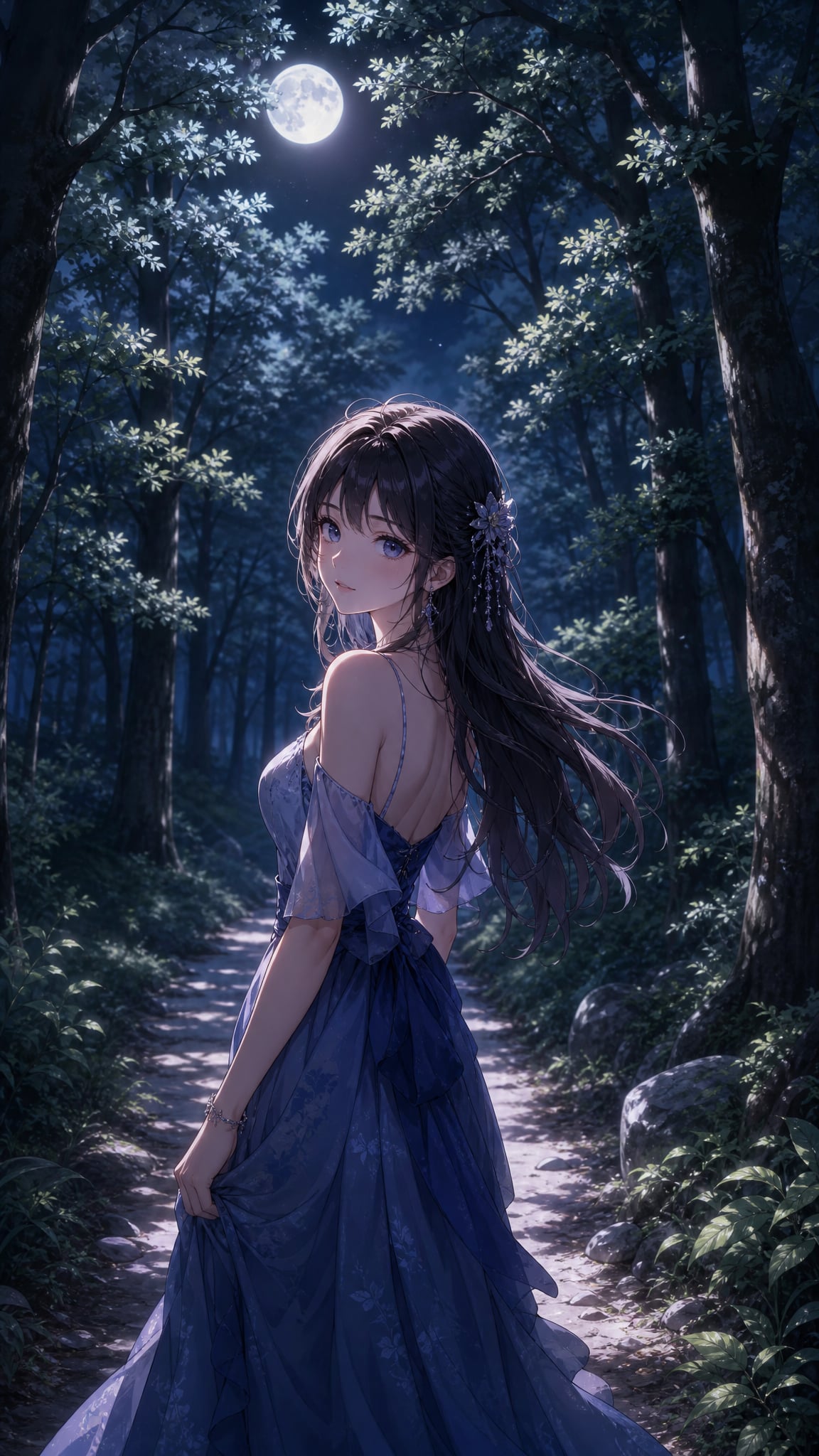
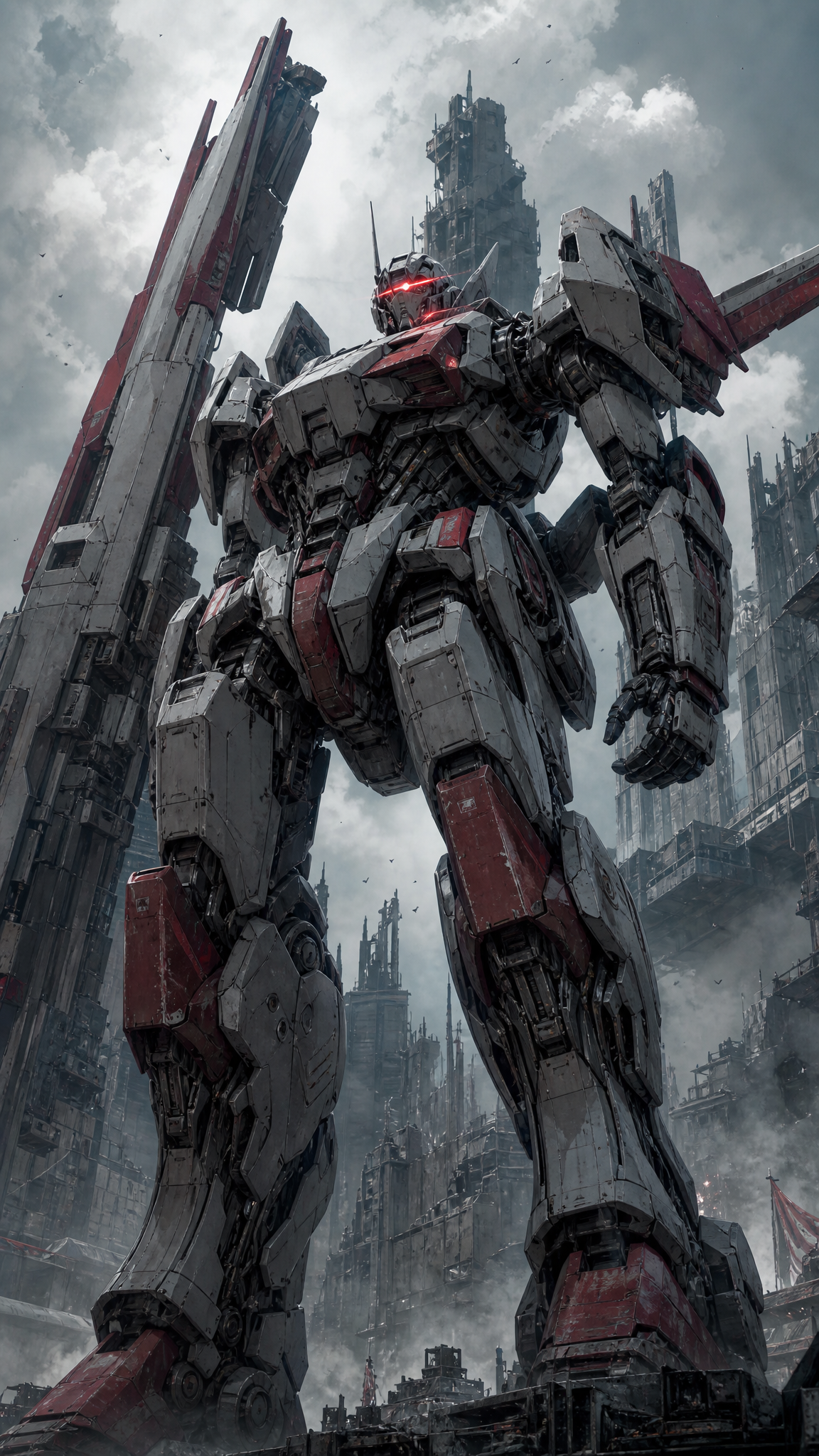
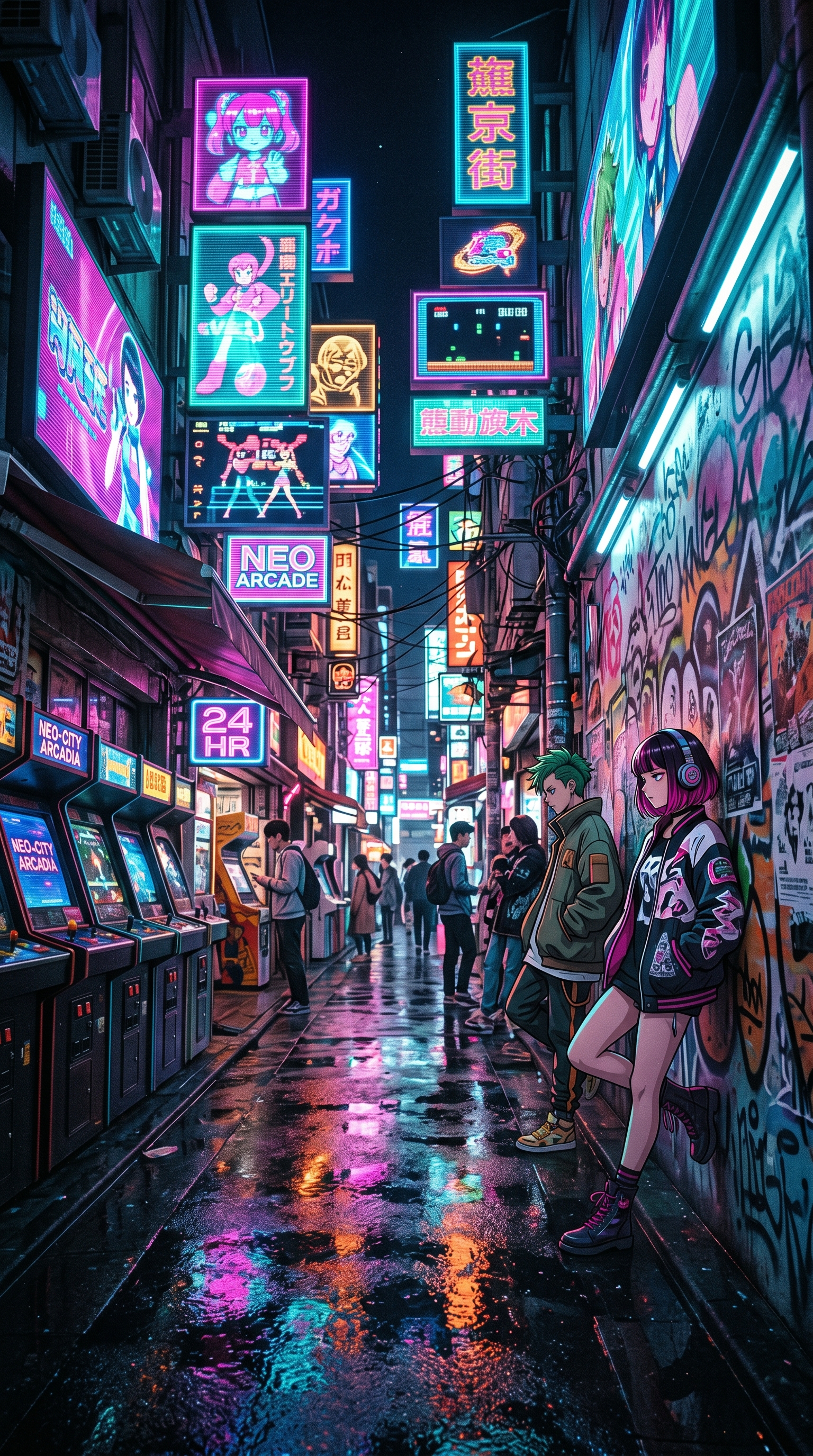
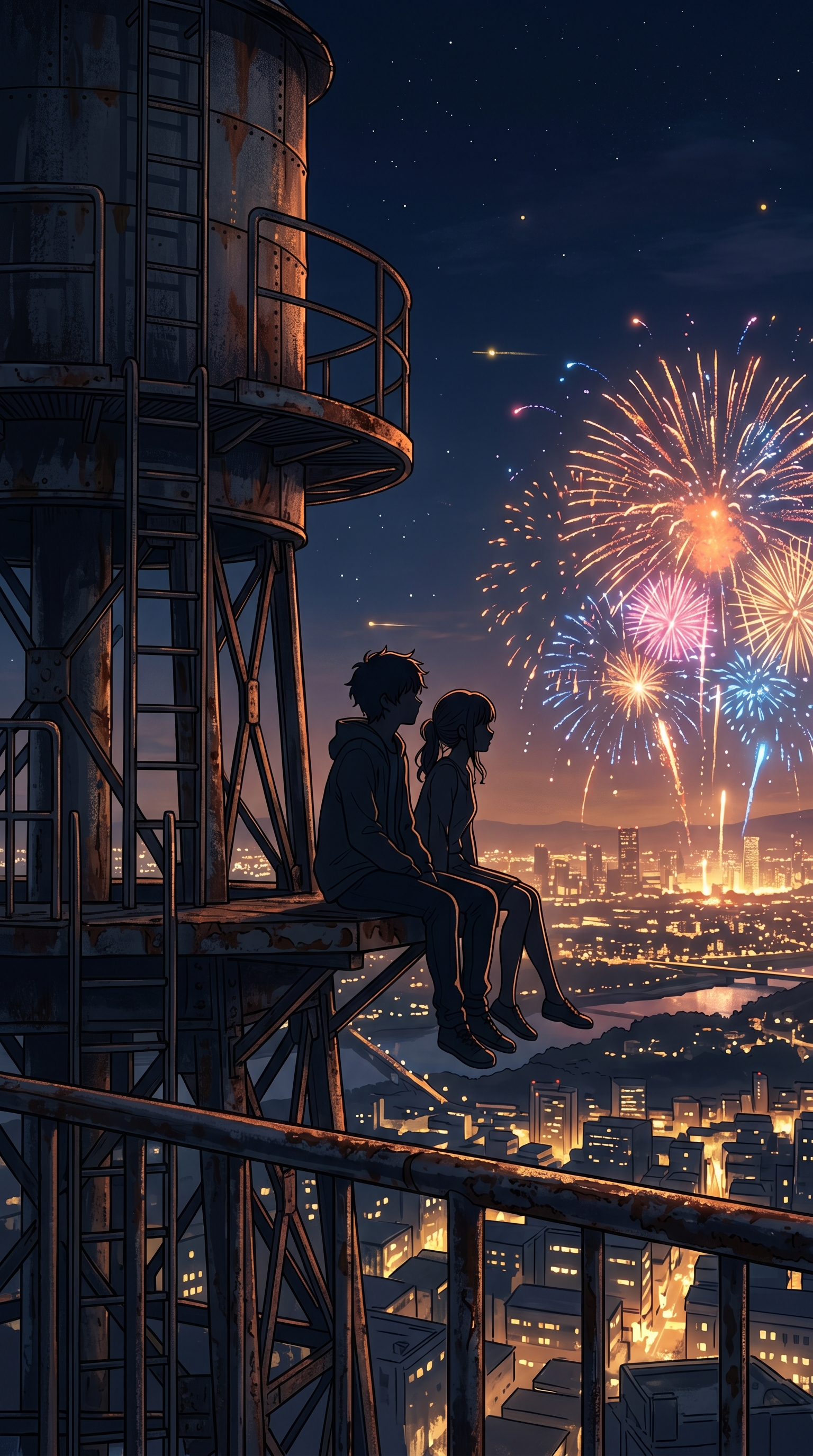
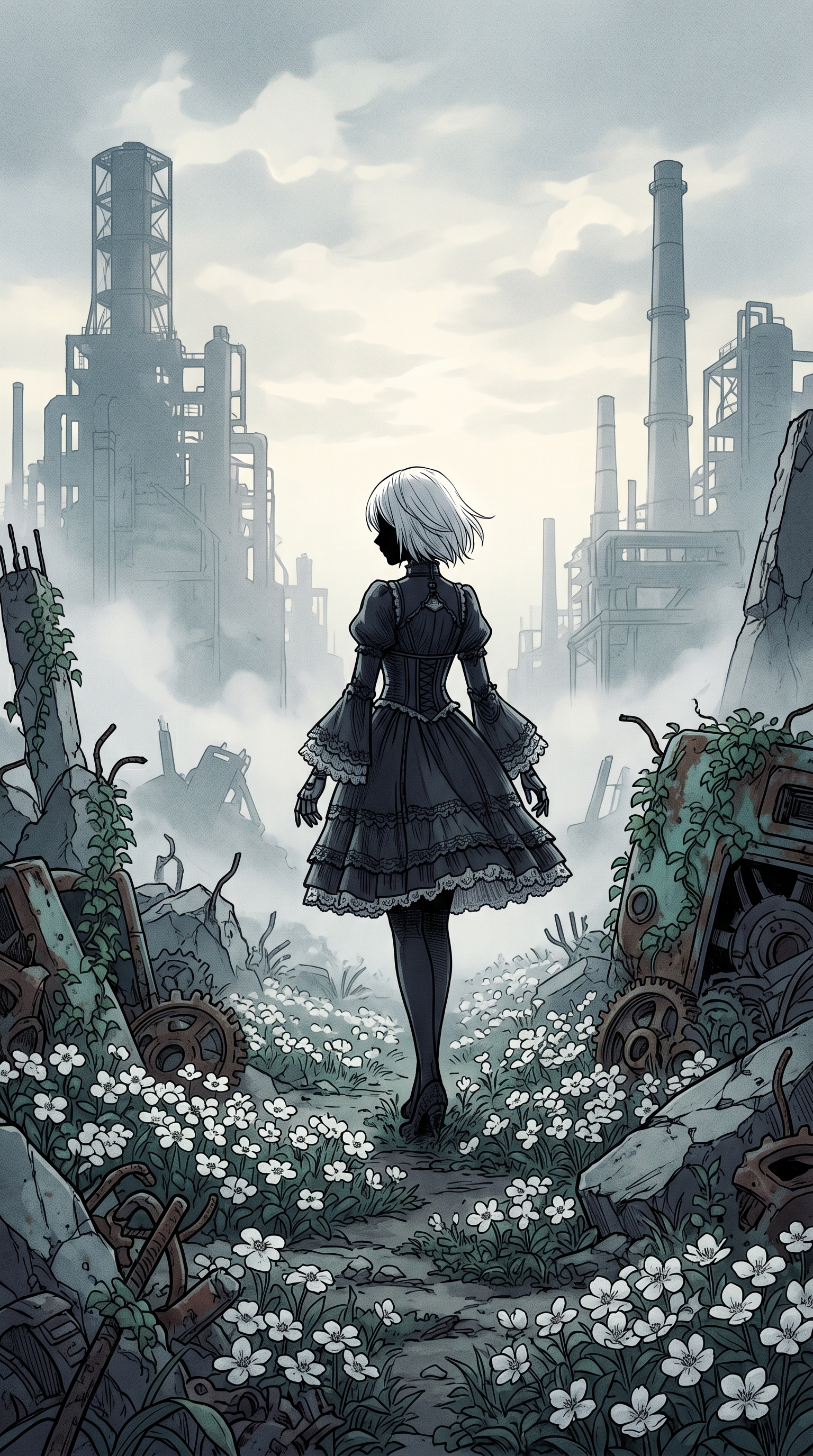
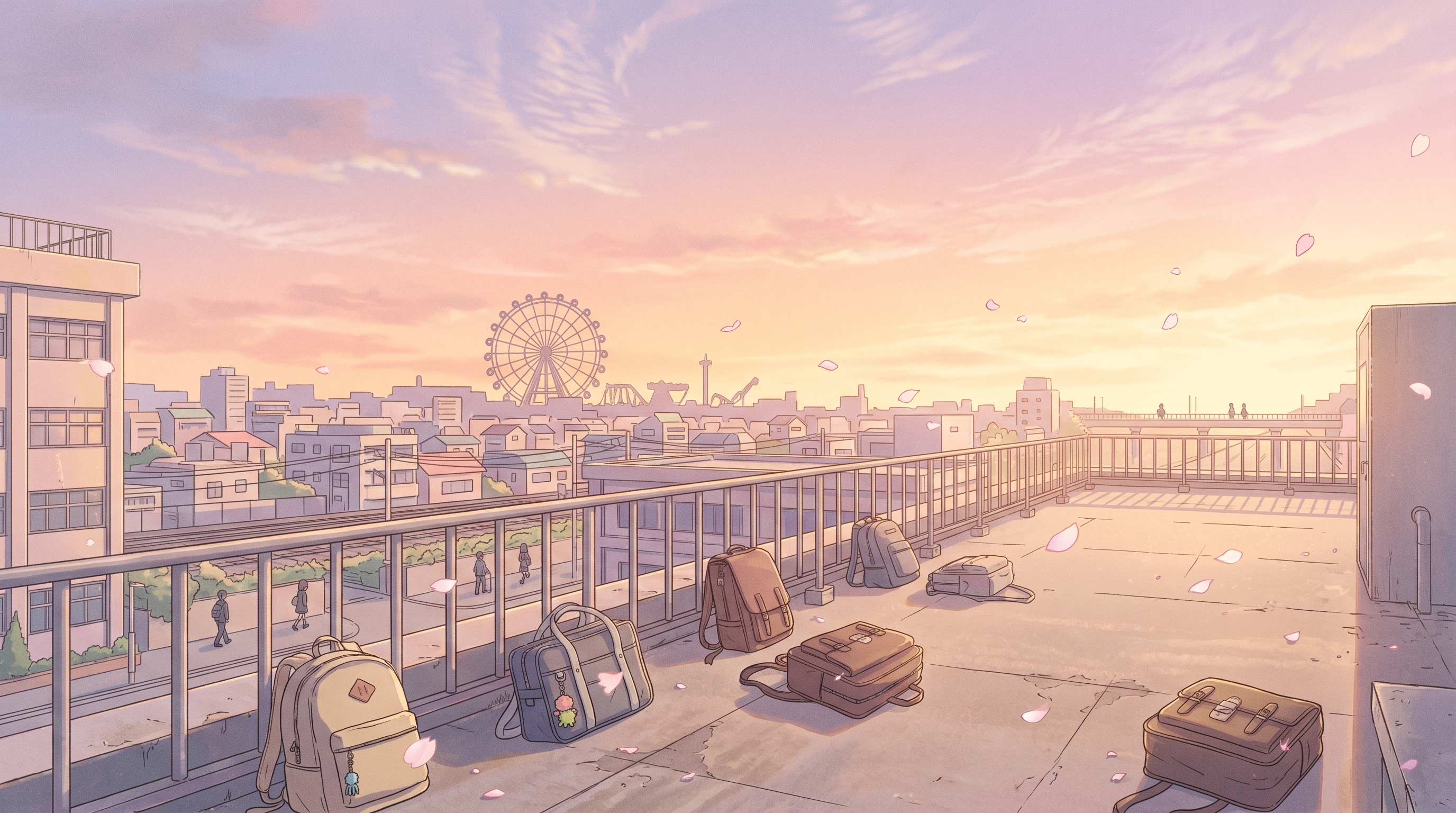
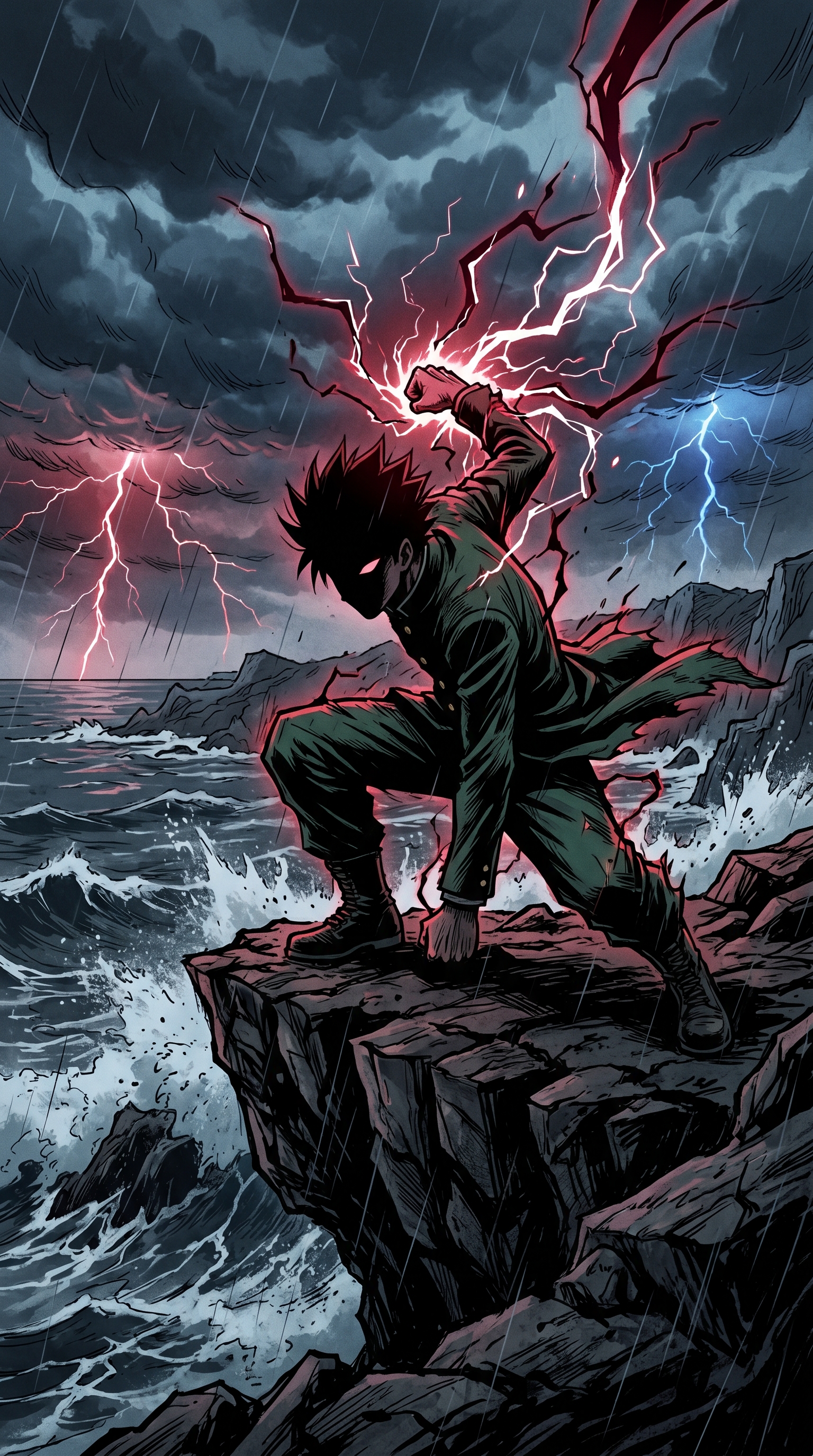
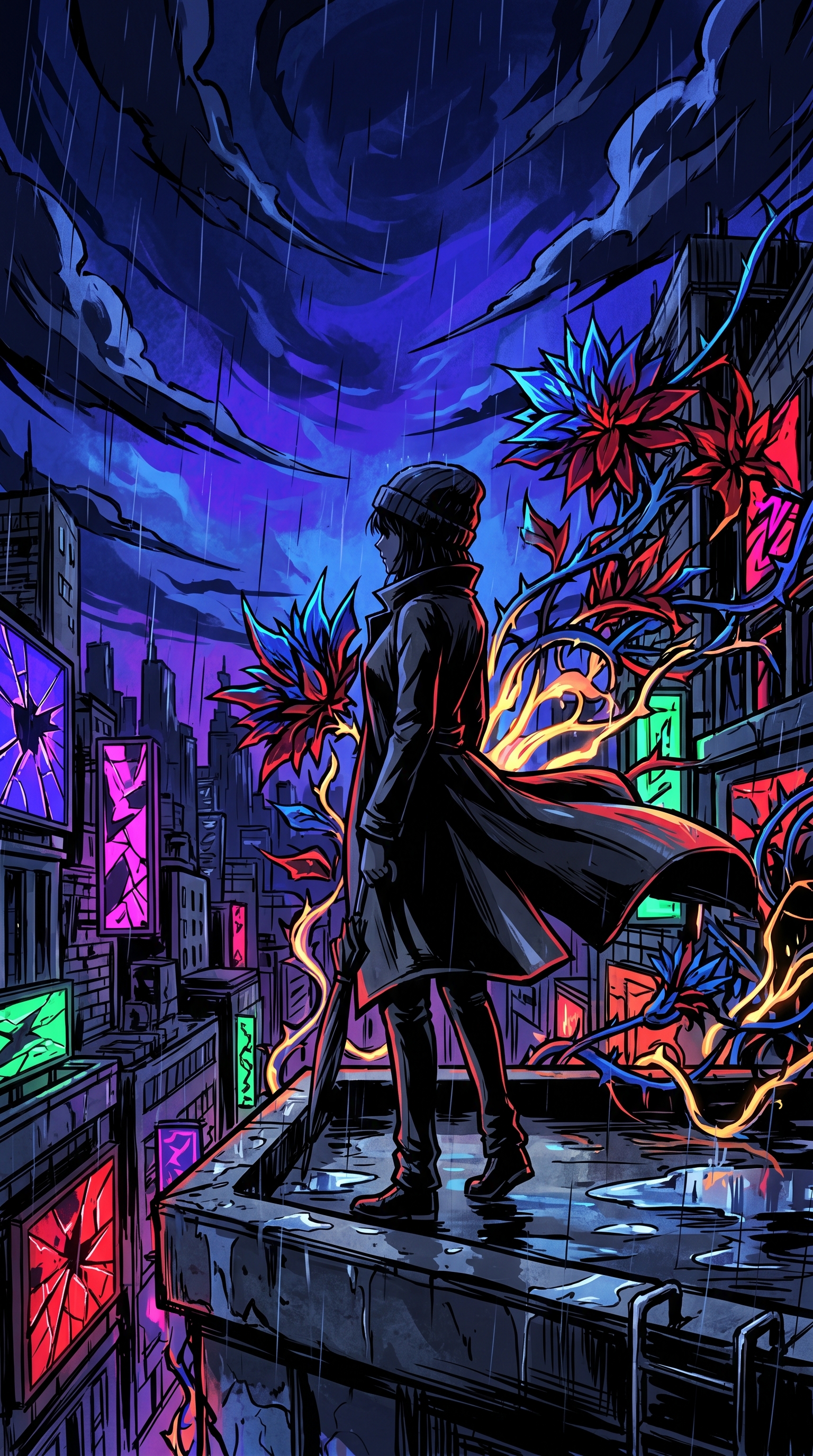
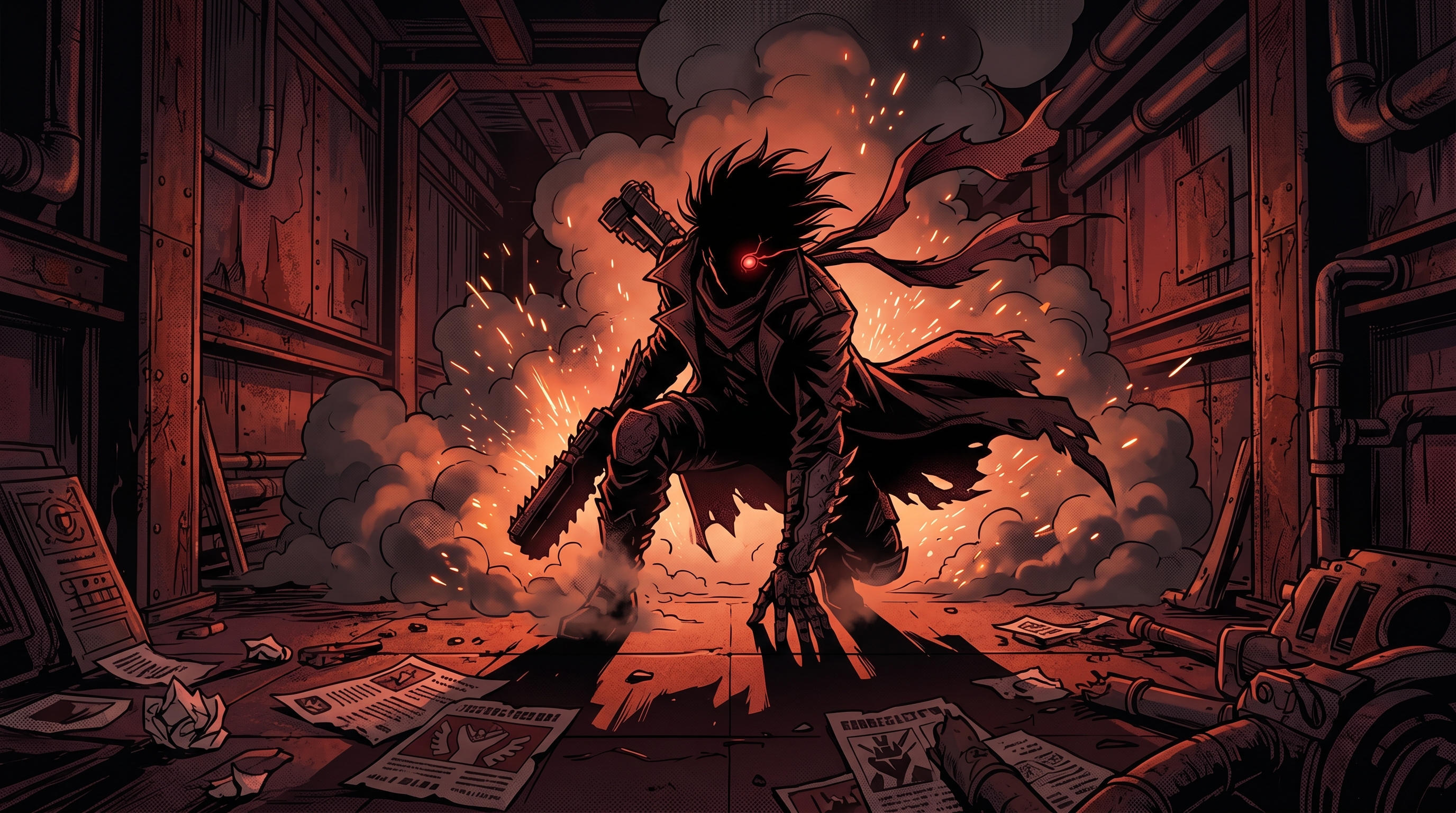
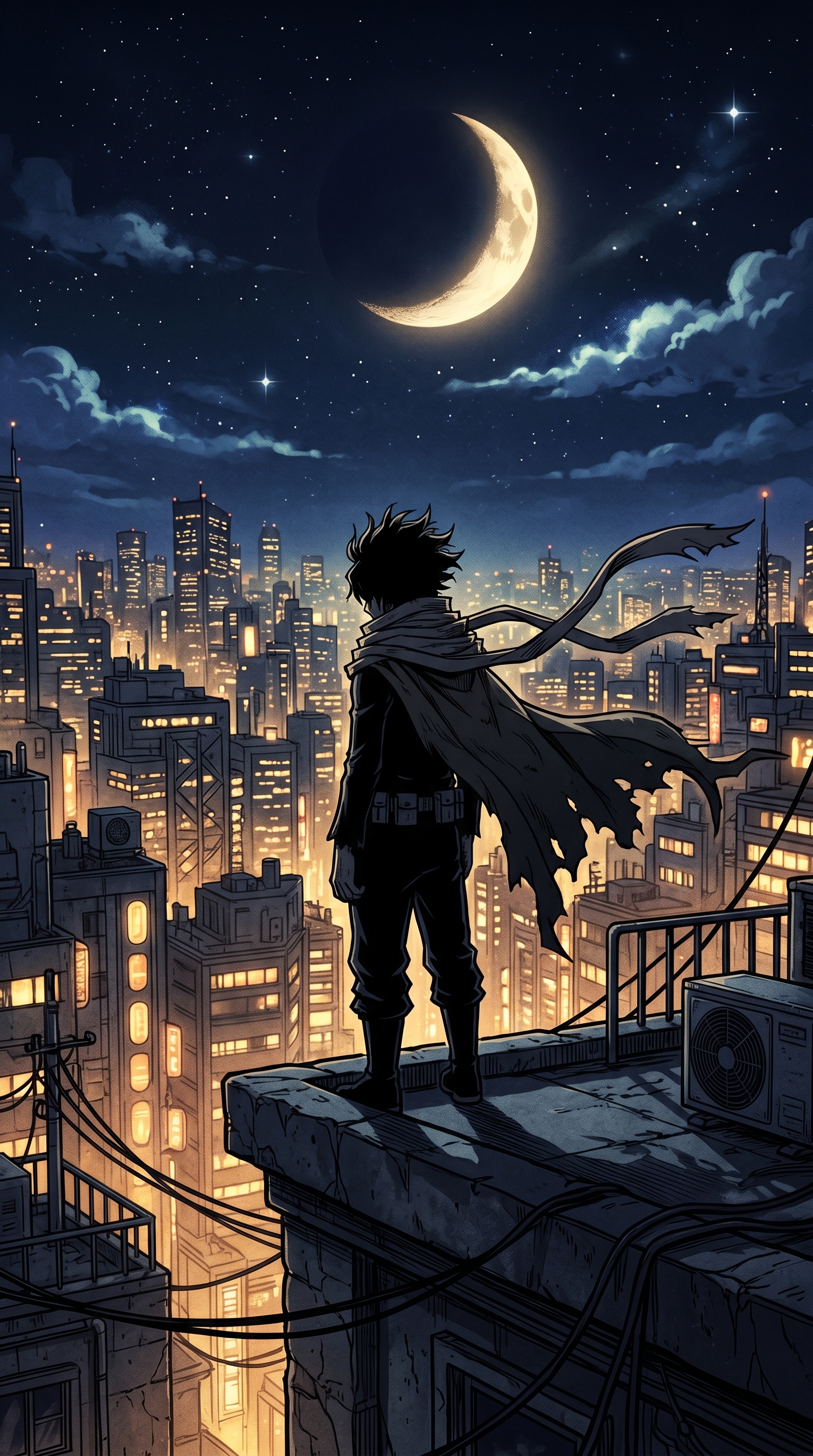
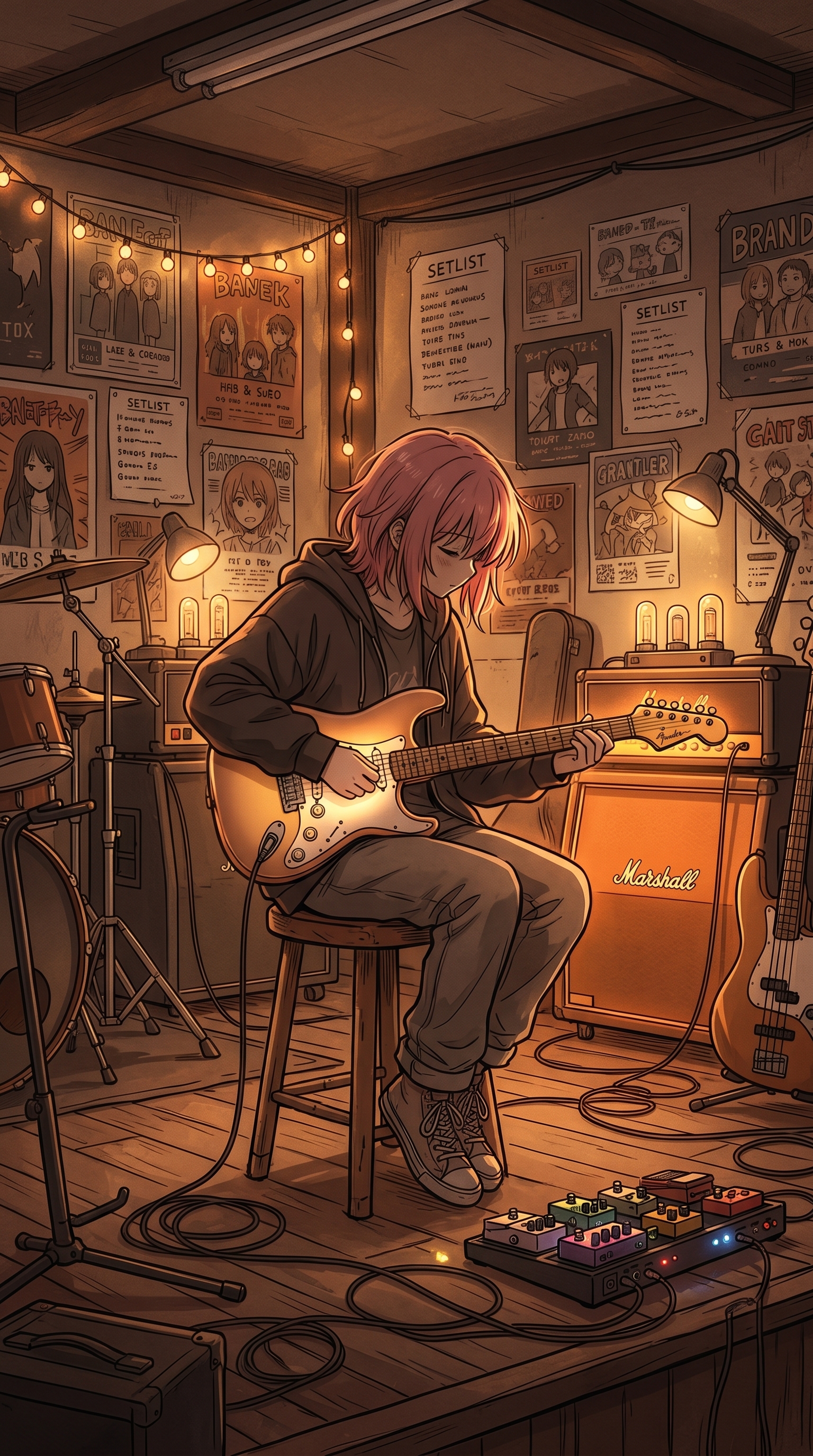
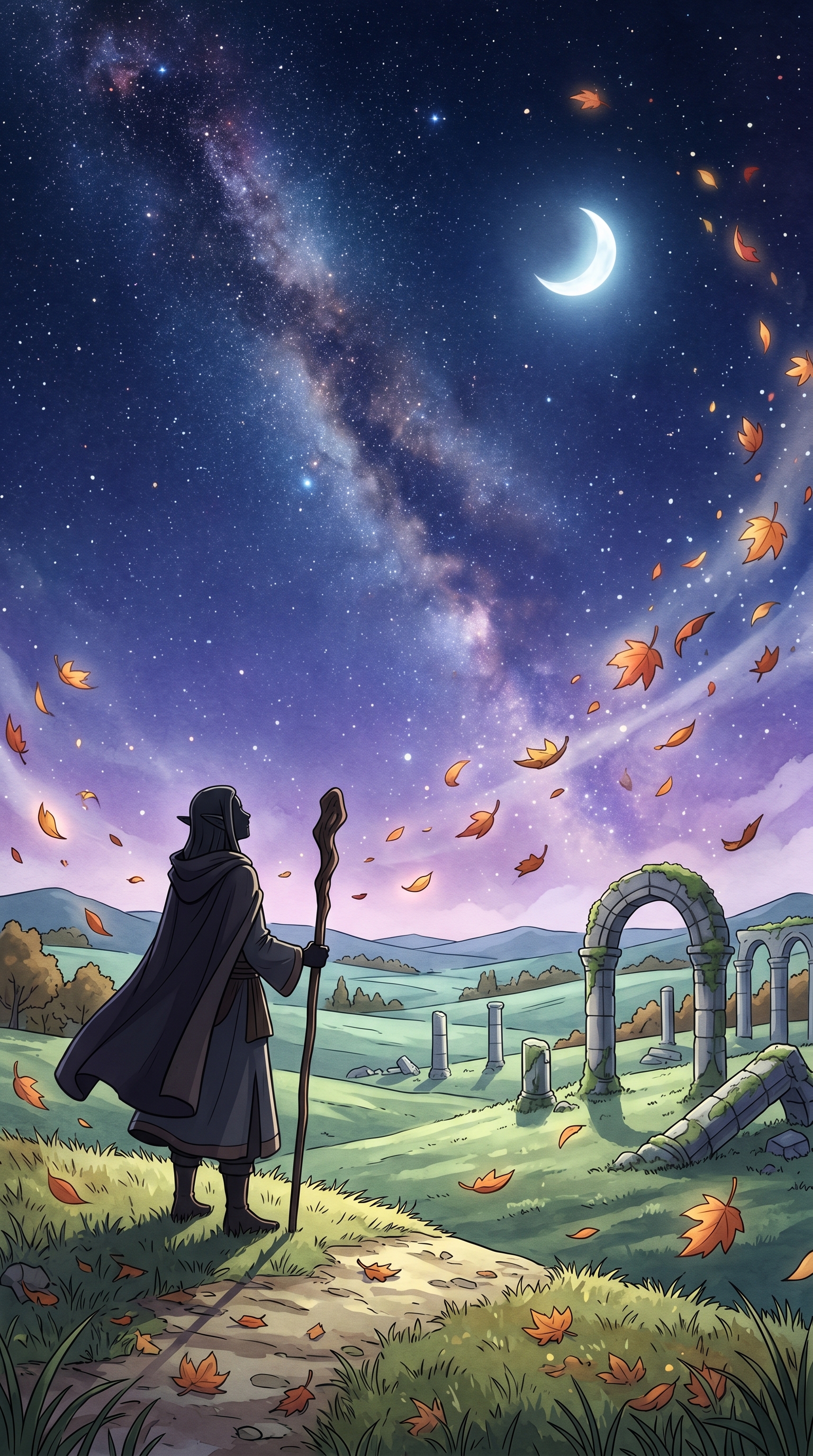
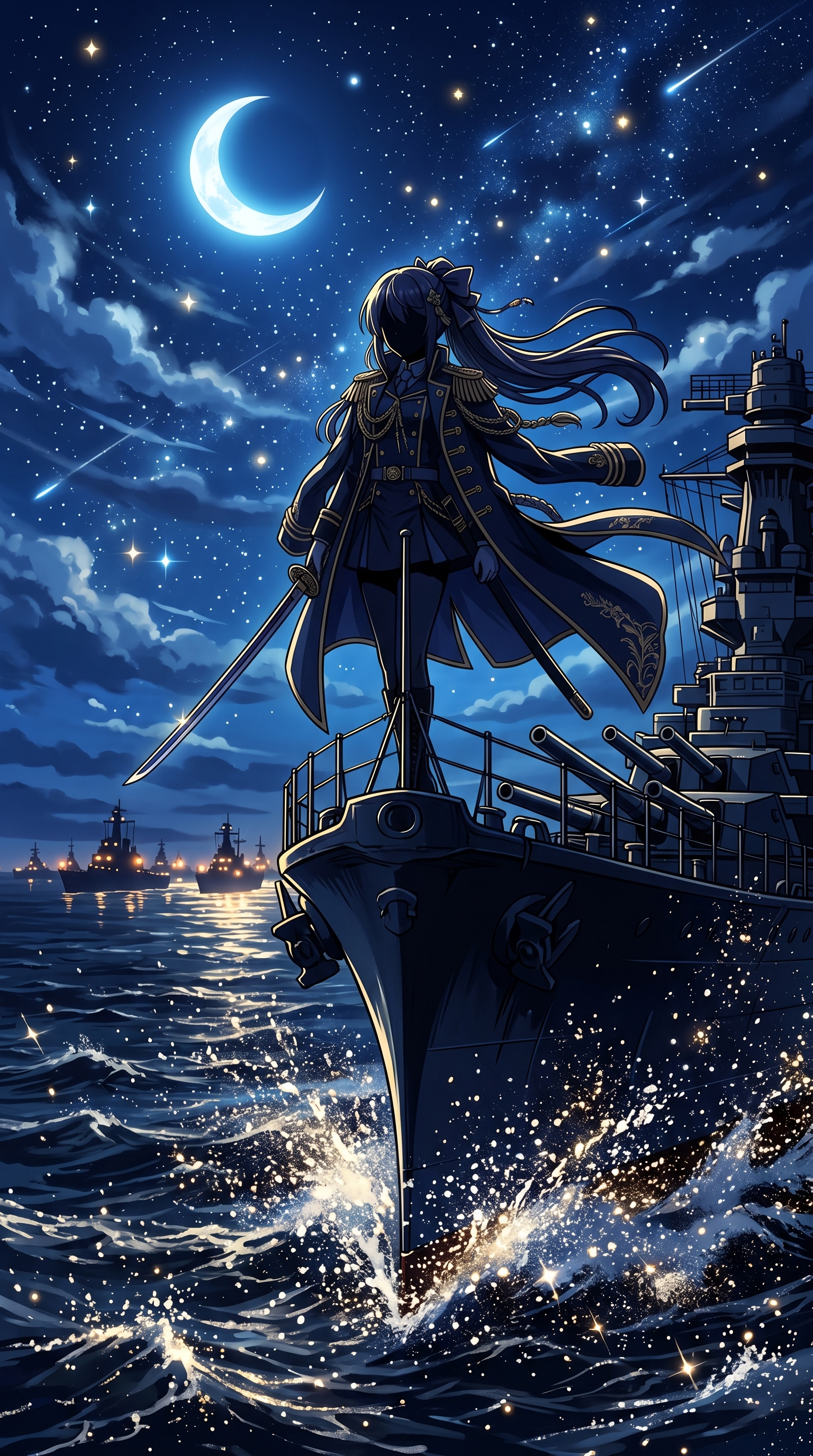
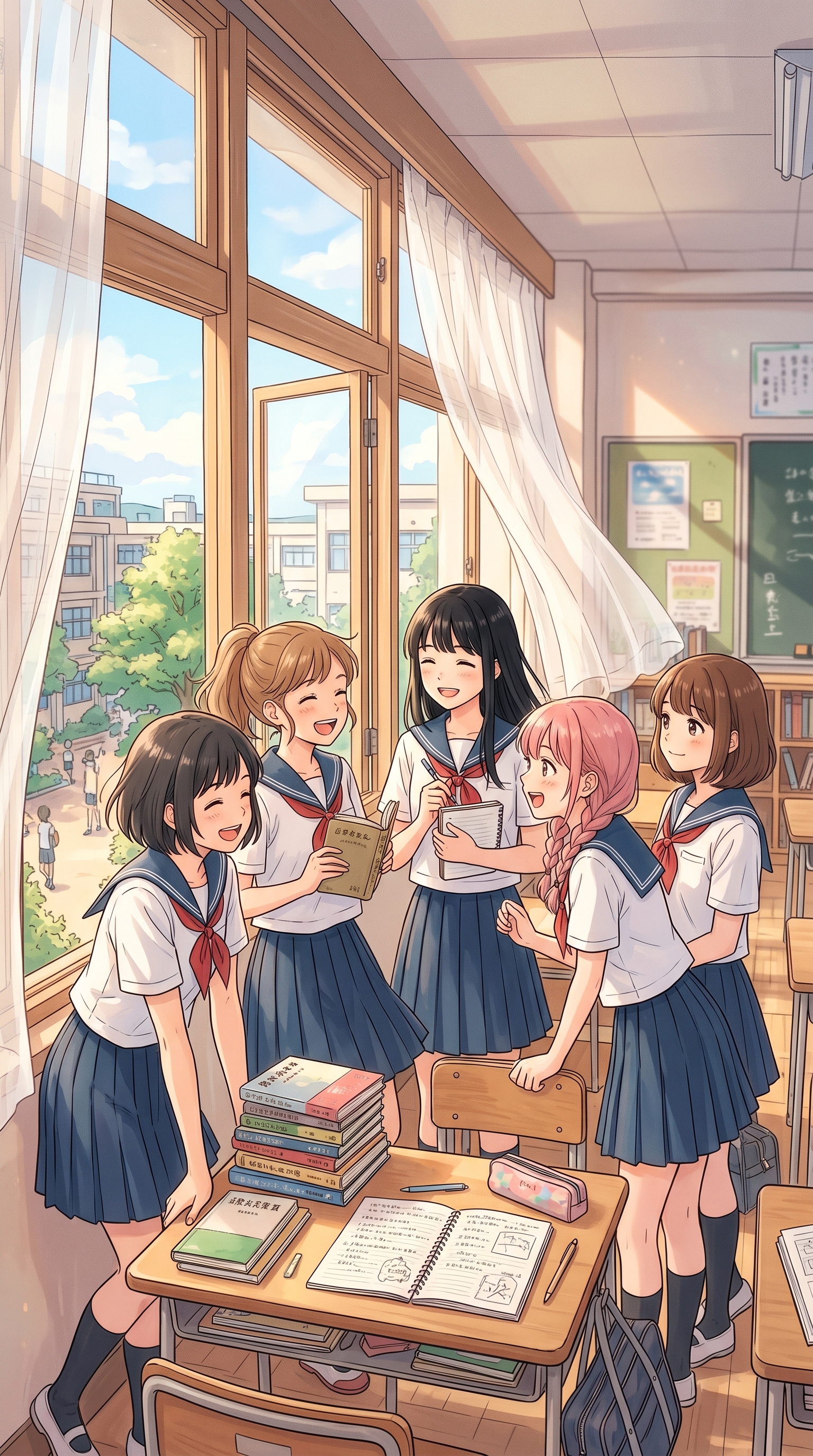
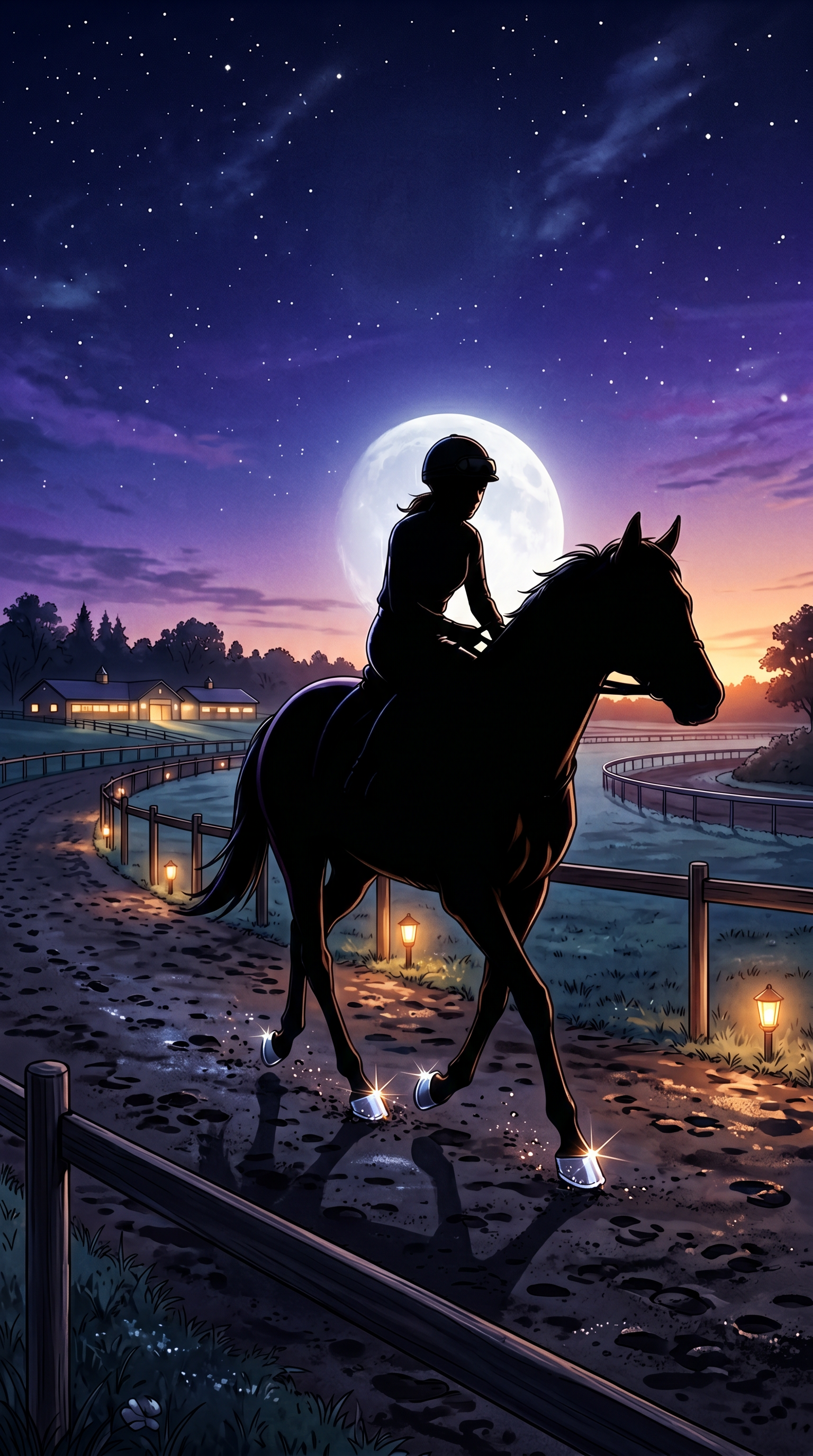
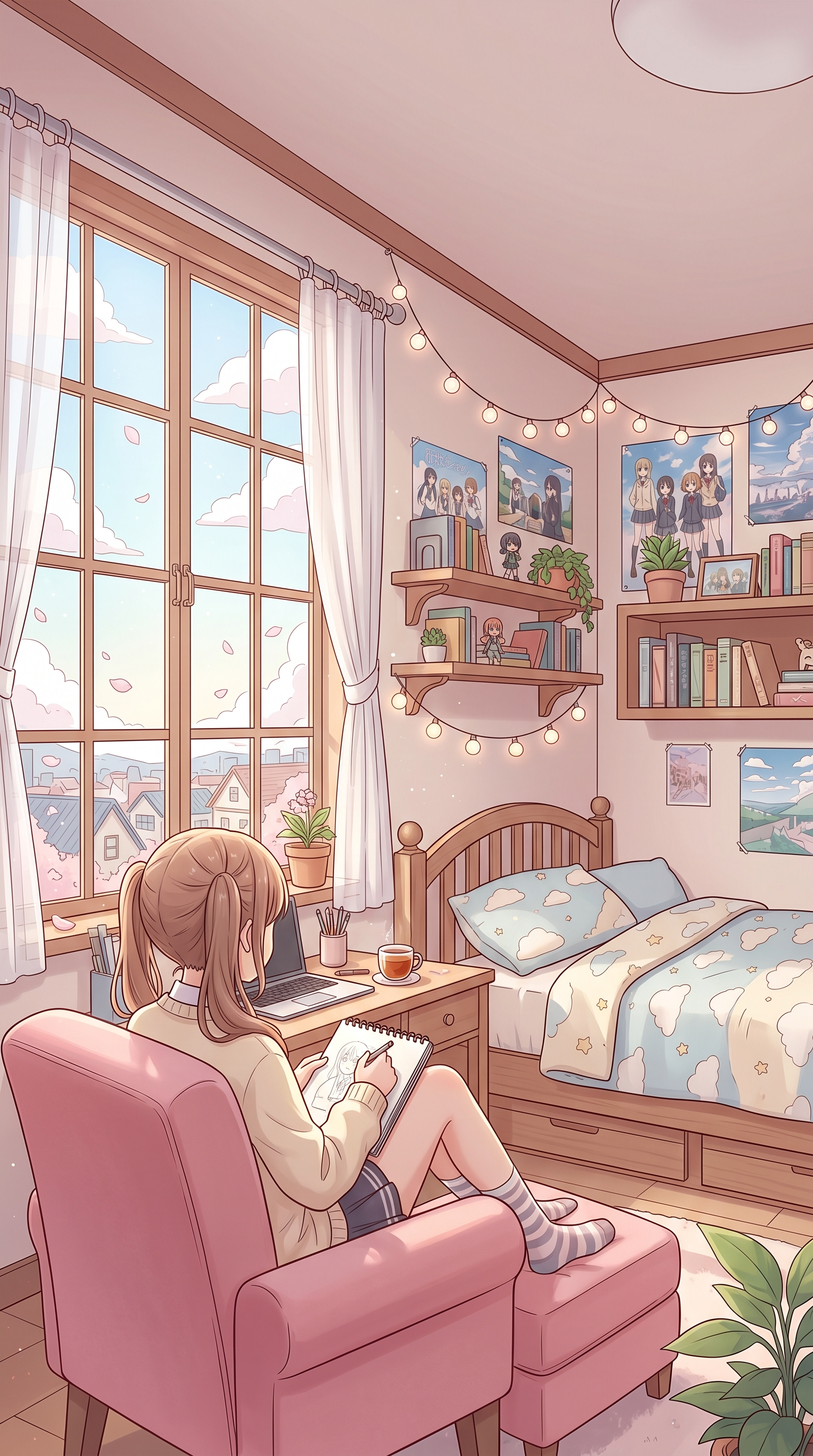
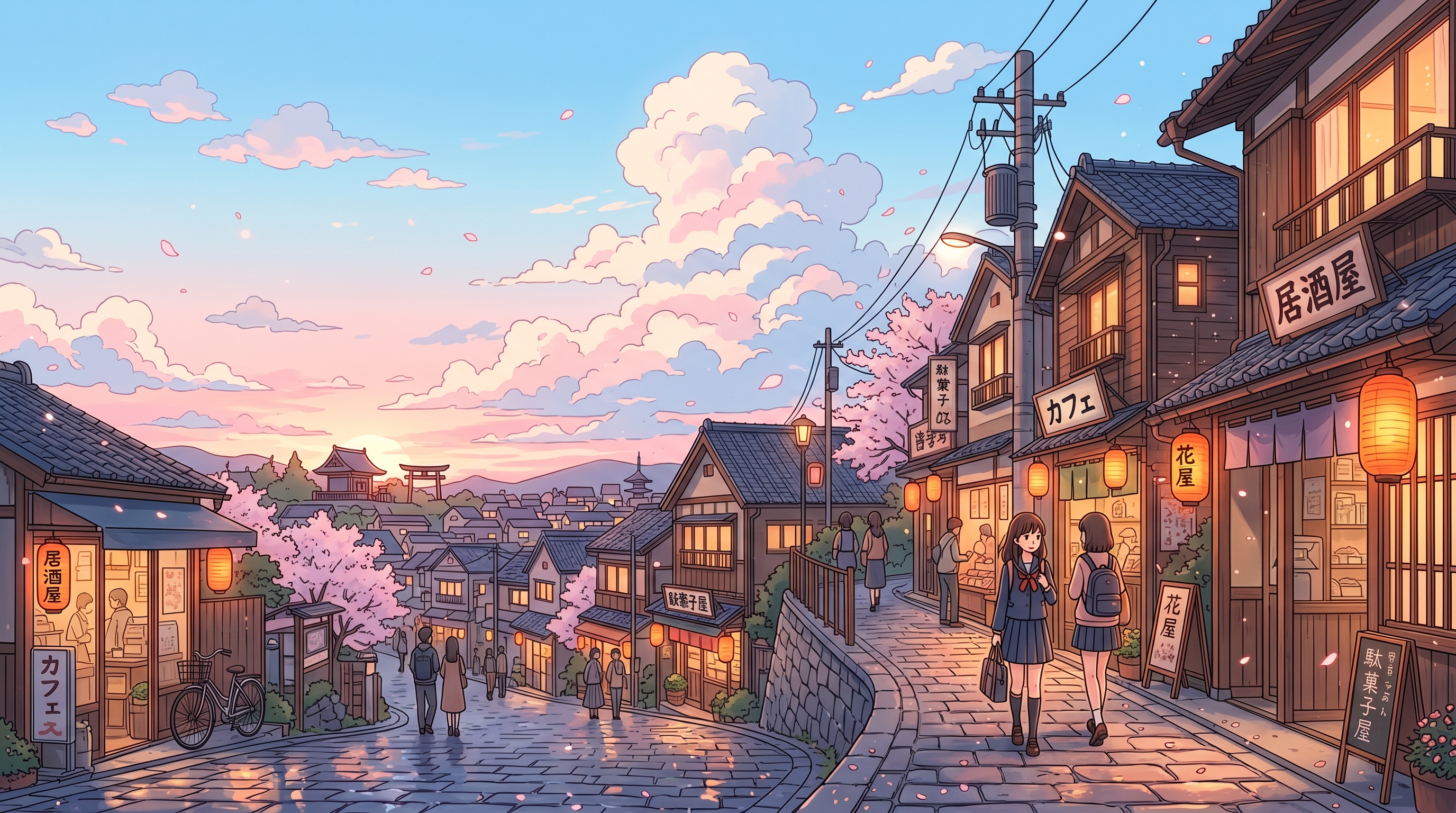
Anime refers to the Japanese animation visual style, characterized by large expressive eyes, bold vibrant colors, clean line work, and cinematographic composition techniques. The term derives from the Japanese katakana abbreviation of 'animation'; internationally it specifically means Japanese animation. Rooted in Osamu Tezuka's pioneering work in the 1960s and refined through decades of TV series and film, anime has become one of the most globally recognized visual styles. As a wallpaper style, anime delivers character-focused compositions with detailed backgrounds, dramatic lighting, and versatile sub-styles from cel-shaded to kawaii.
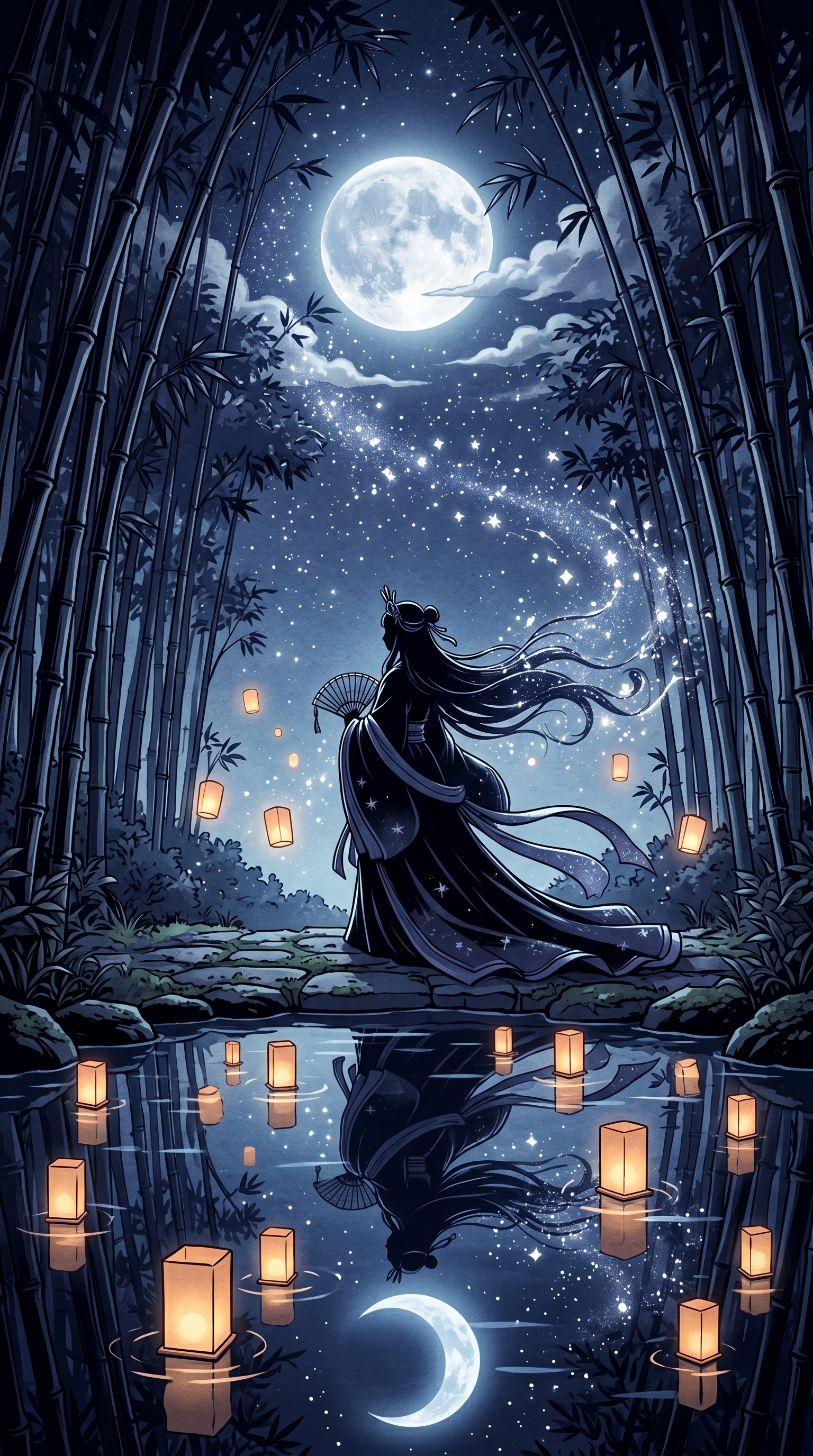
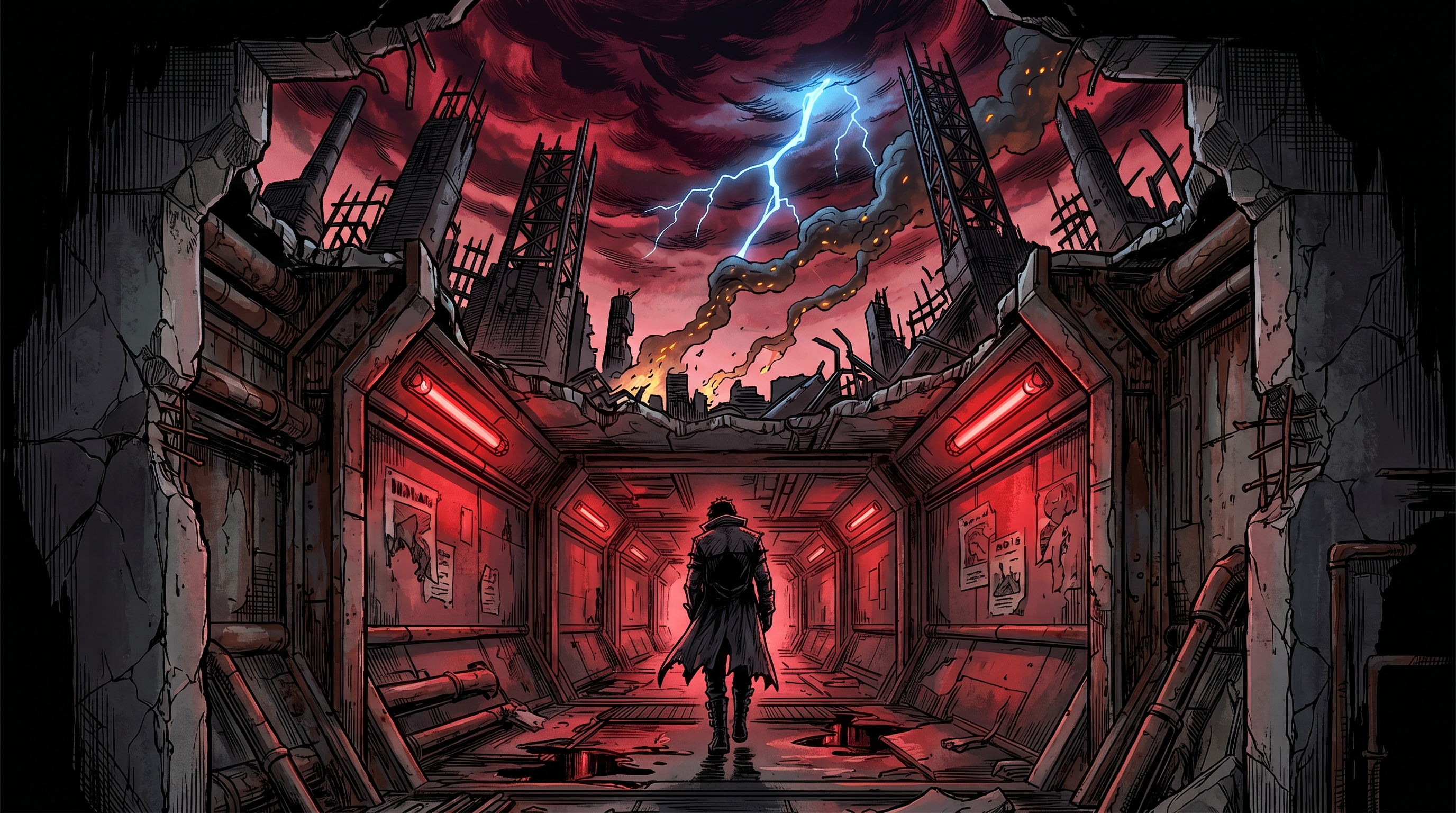
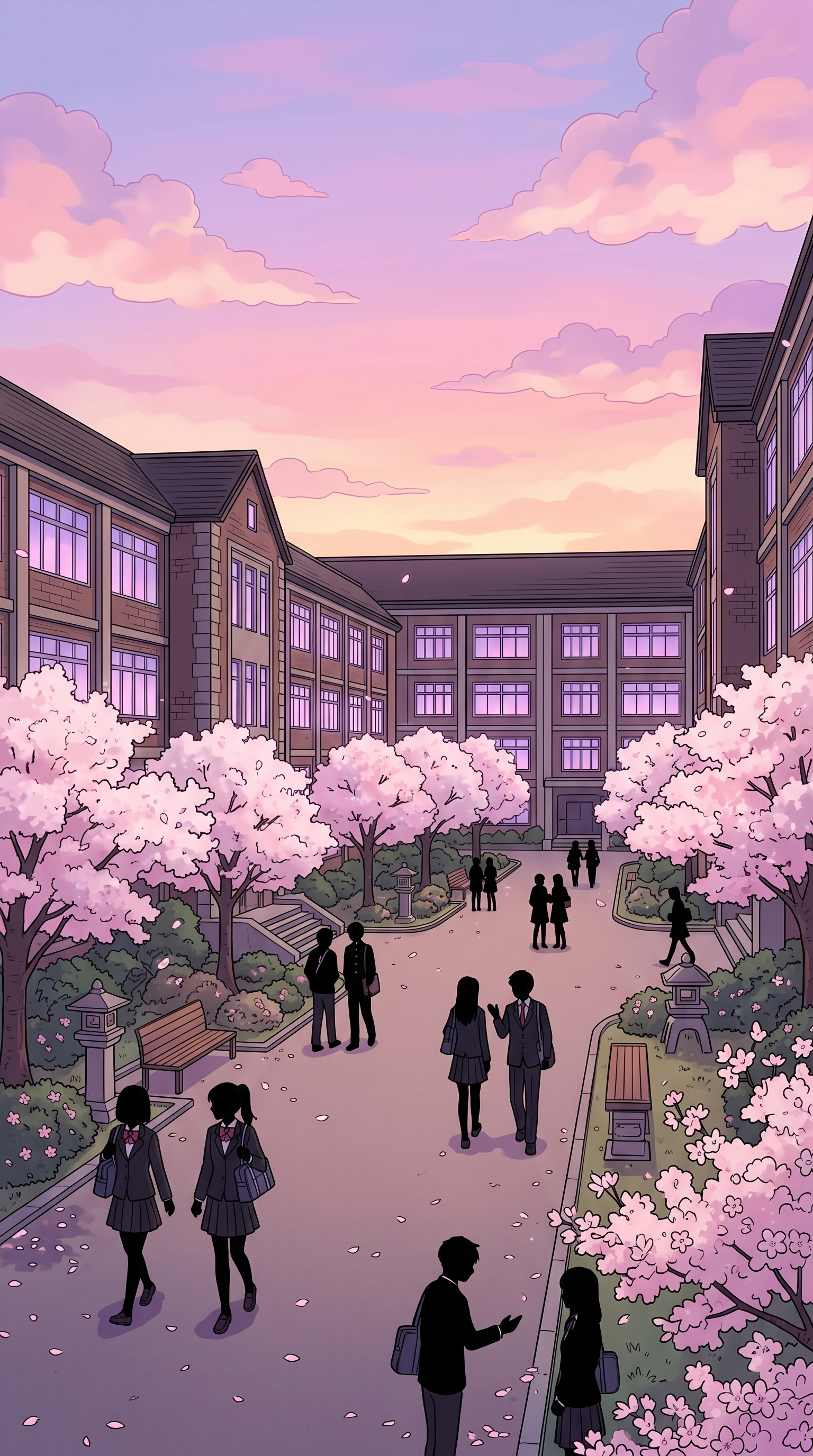
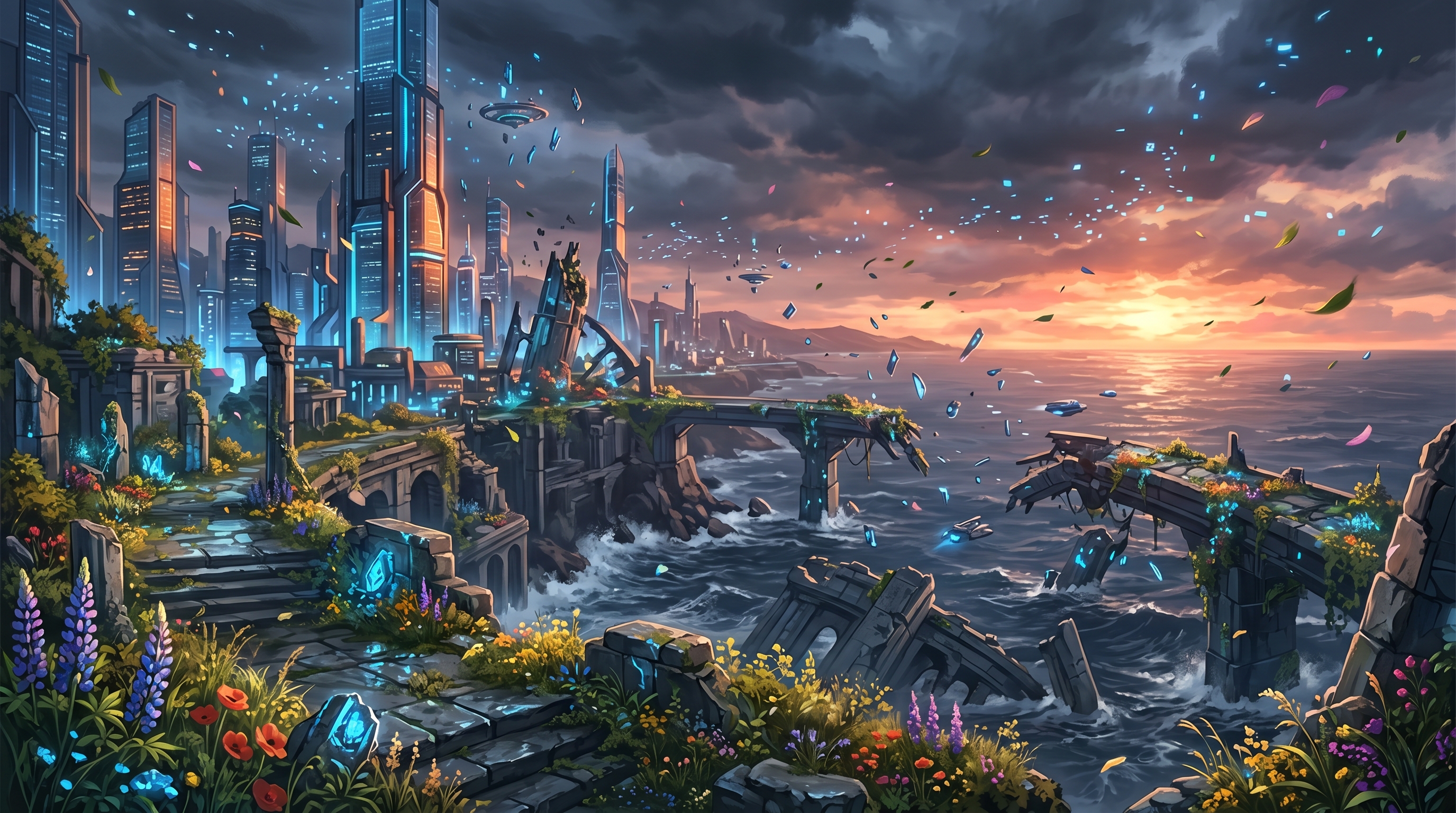
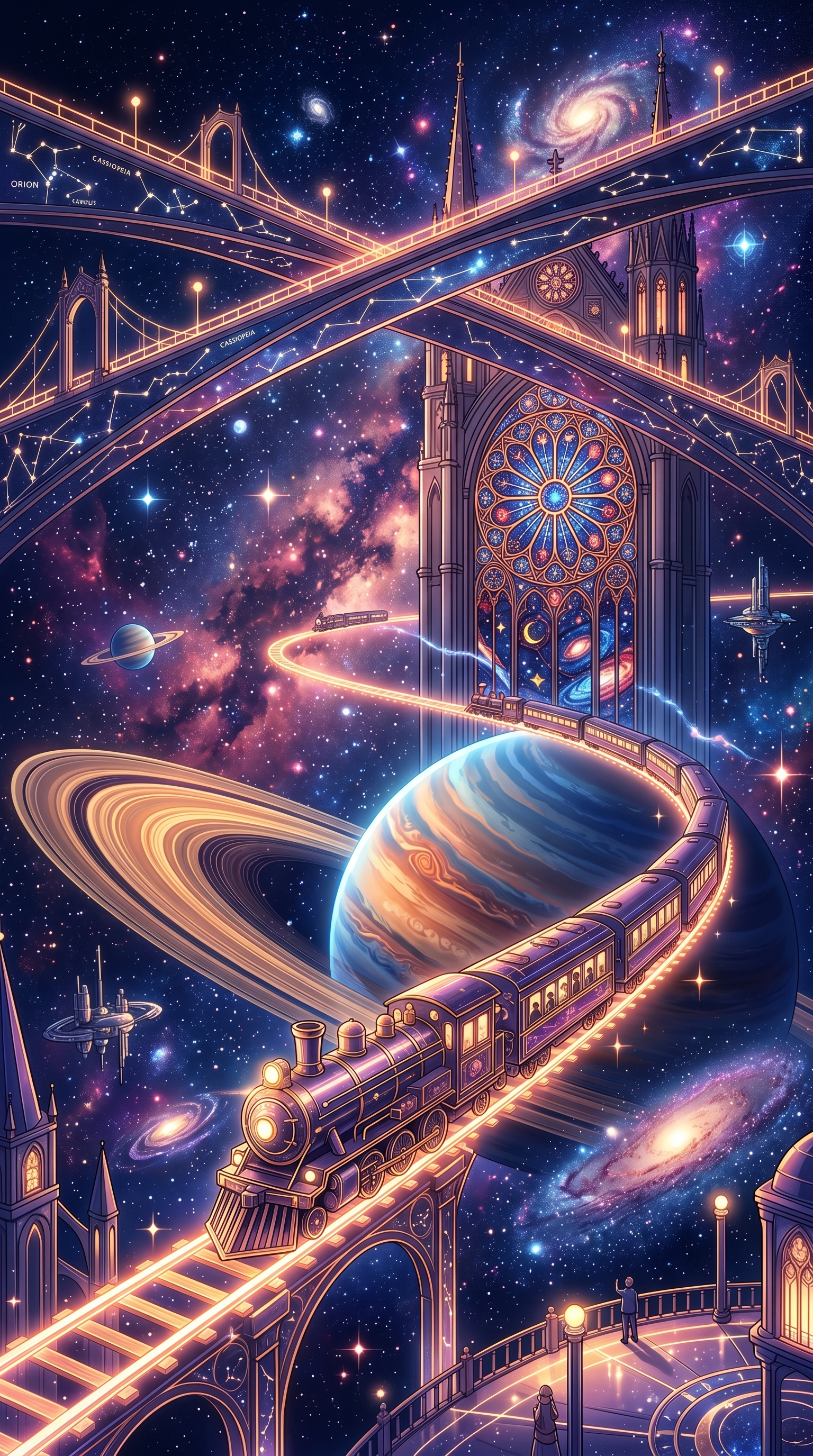
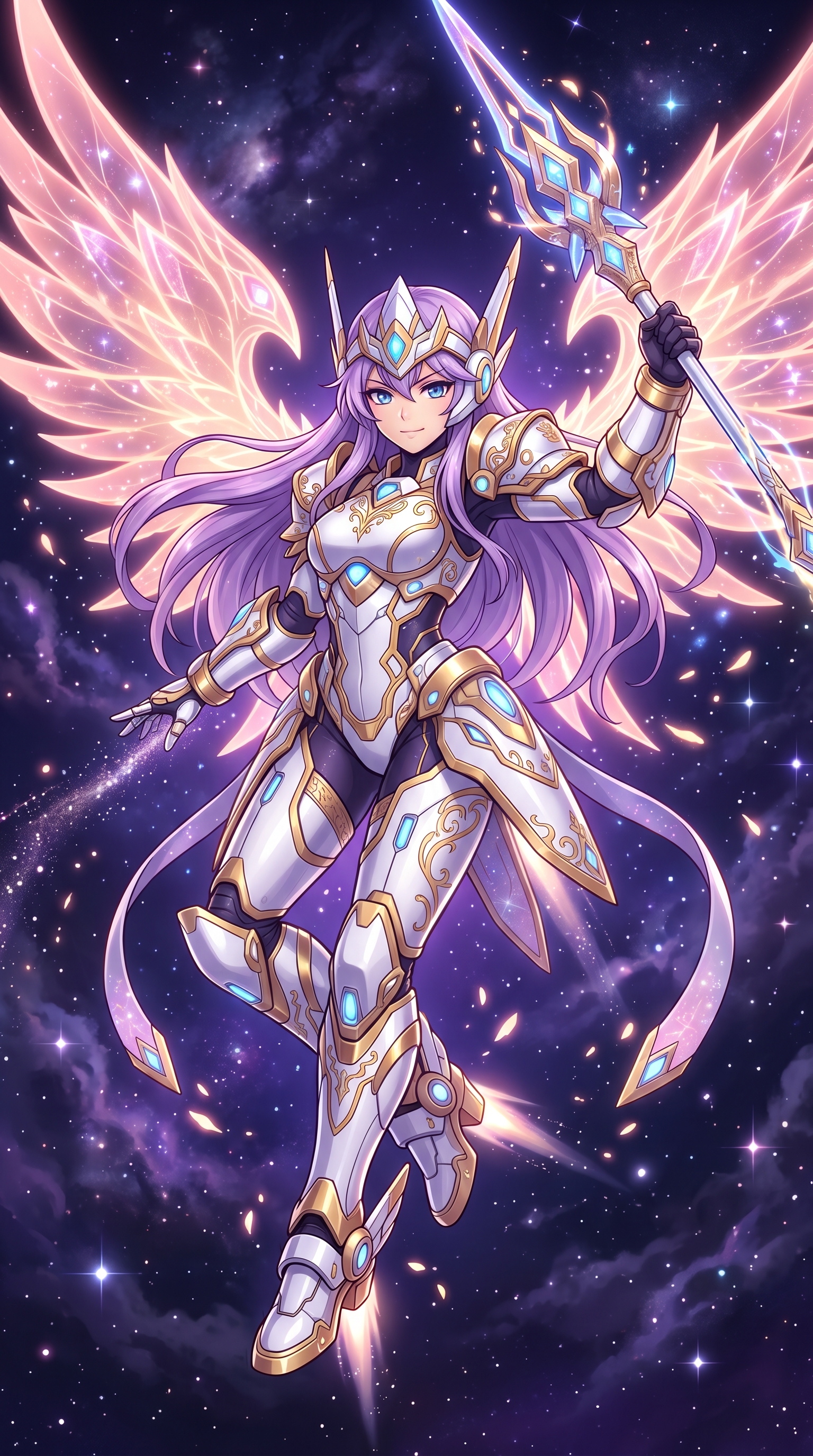
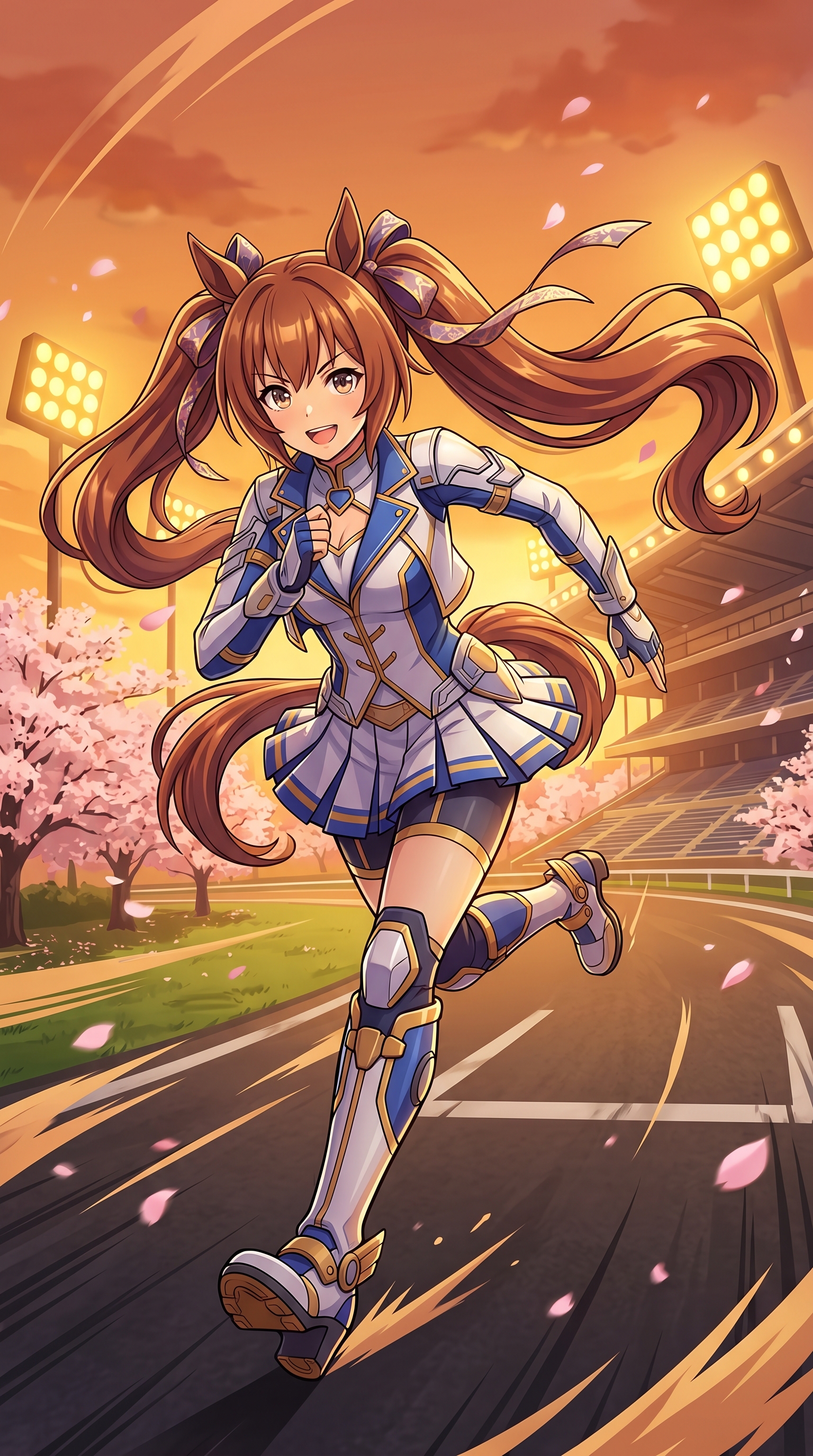
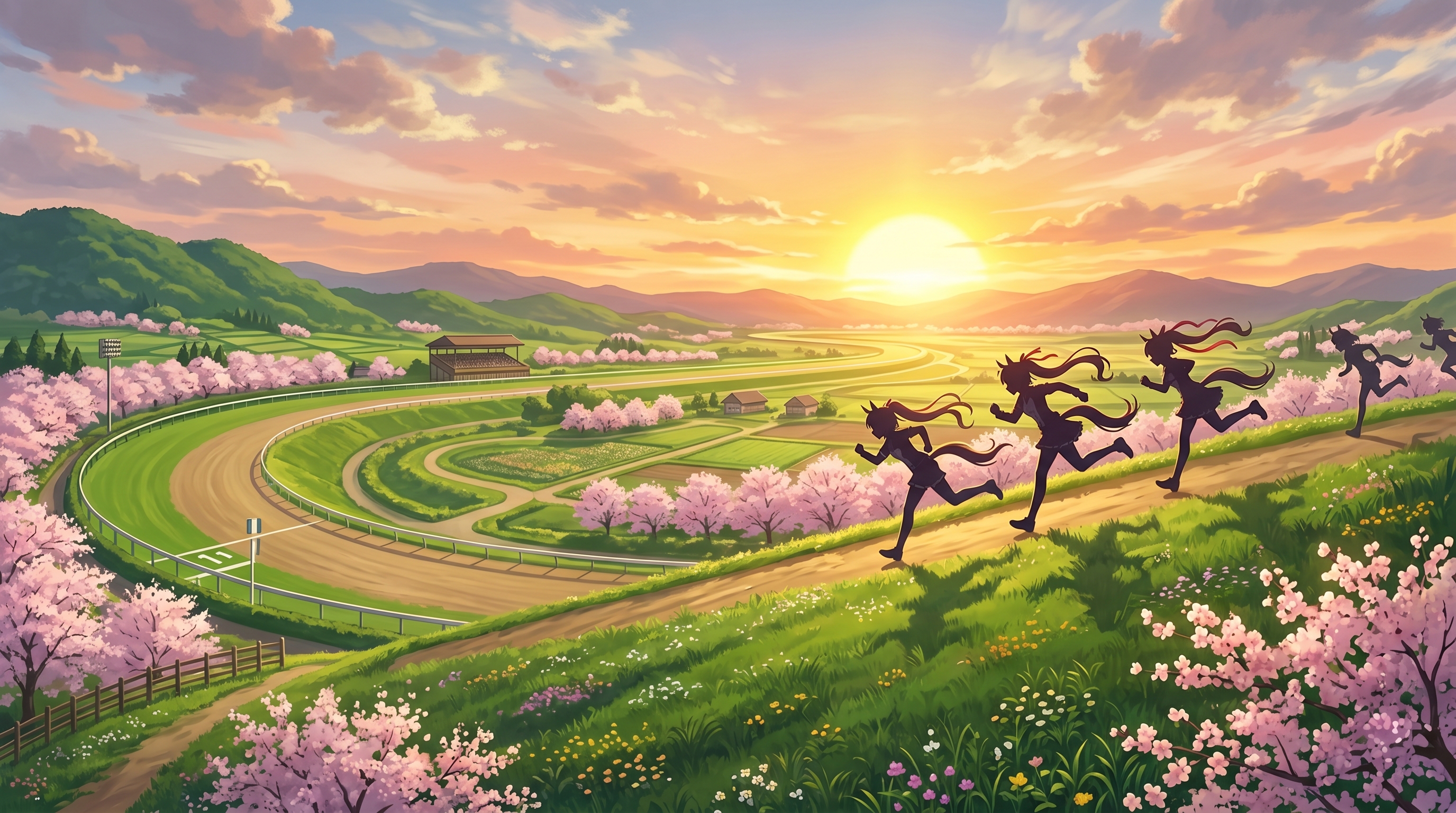
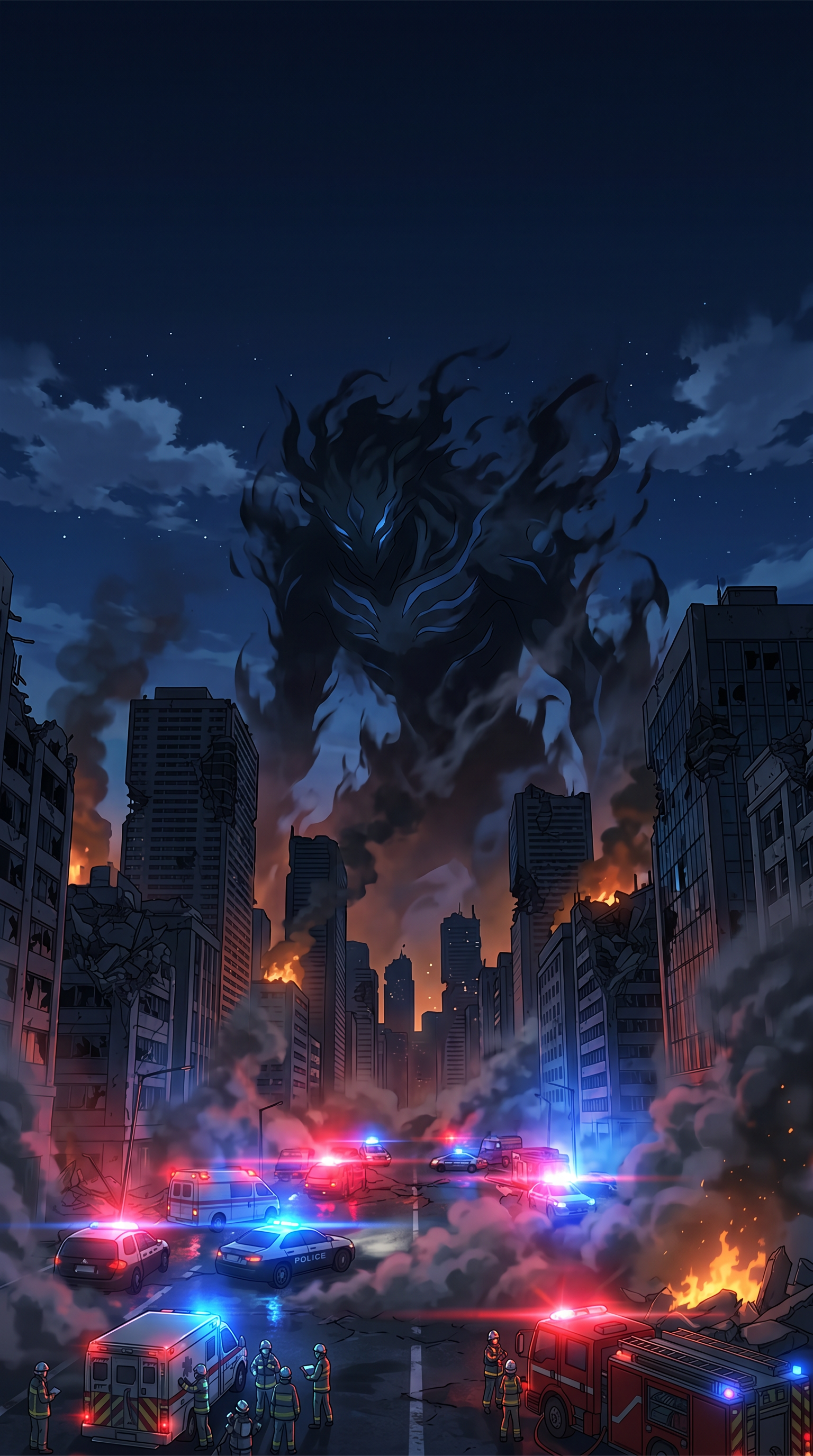
Acerca del arte de Anime
The earliest verifiable Japanese animated films date to 1917. Three pioneers — Oten Shimokawa, Jun'ichi Kouchi, and Seitaro Kitayama — are known as the 'fathers of anime,' though most of their early works were destroyed in the 1923 Great Kanto Earthquake. The first feature-length anime film, 'Momotaro: Sacred Sailors,' was released in 1945. The central founding figure is Osamu Tezuka, who founded Mushi Production in 1961. His 'Astro Boy' (1963) became the first anime series shown widely to Western audiences, establishing many of the medium's visual conventions. Tezuka adapted Disney animation techniques — particularly large, expressive eyes inspired by Disney characters and Betty Boop — and simplified them to reduce costs and limit frame counts. Originally intended as temporary cost-saving measures, these limited-animation practices became defining traits of the medium. In the 1980s, directors like Hayao Miyazaki and Isao Takahata led a visual quality renewal. Katsuhiro Otomo's 'Akira' (1988) became an international cult hit. 'Ghost in the Shell' (1995) gained mainstream Western recognition. Miyazaki's 'Spirited Away' (2001) won the Academy Award for Best Animated Feature at the 2002 ceremony, cementing anime's global cultural standing.
Rasgos visuales
- Large, expressive eyes — the single most recognizable feature; Tezuka drew inspiration from Disney; in Japanese culture, large eyes are perceived as 'windows to the soul'
- Limited animation — fewer key frames than Western animation; emphasis on art quality and detail of settings over fluid movement
- Cinematographic techniques — panning, zooming, dynamic camera angles borrowed from live-action filmmaking
- Bold, vibrant color palettes ranging from saturated neons to soft pastels depending on genre and mood
- Clean line work with strong outlines; simplified facial features except for eyes; flat color areas
- Exaggerated hair with unnaturally vibrant colors and dramatic styling for character differentiation
- Character proportions typically 5-8 heads tall in standard style; dramatically compressed in chibi/super-deformed (1:2 or 1:3)
- Detailed, atmospheric backgrounds contrasting with more stylized characters
- Dramatic lighting effects — lens flare, volumetric light, rim lighting, sakura petals
- Speed lines and motion effects for dynamic action sequences
- Traditional Japanese art influences in composition — asymmetrical layouts, flat color areas echoing Ukiyo-e
Casos de uso
Desktop (16:9, 1920x1080 to 3840x2160) — most common format; character compositions with detailed backgrounds
Mobile (9:16 to 9:20) — portrait orientation suits single-character compositions for lock screens
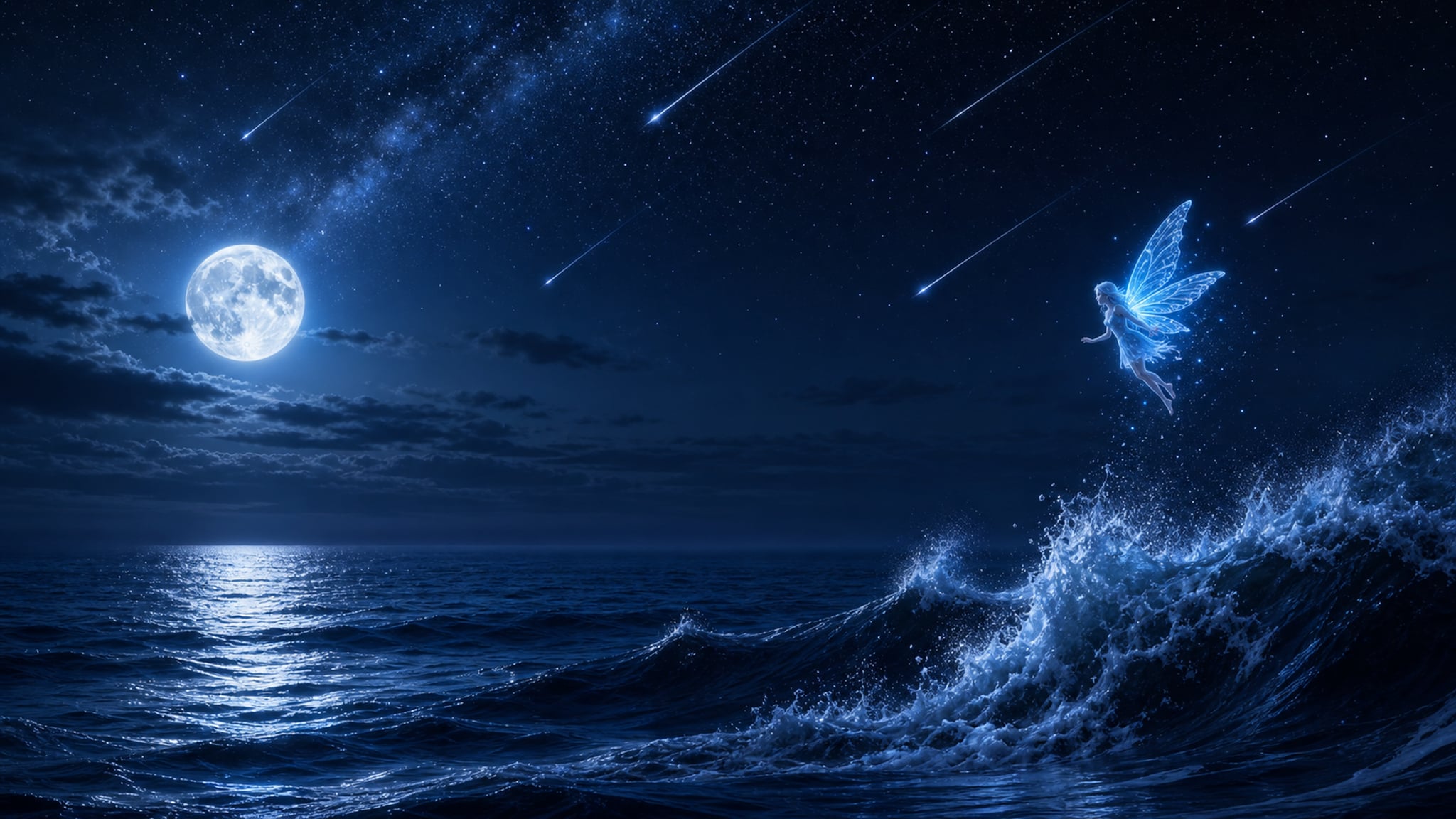
Ultrawide (21:9, 3440x1440) — panoramic group shots or wide landscape scenes with anime characters
AMOLED-friendly — dark-background anime art with vibrant accents popular for OLED phone screens
Multi-monitor setups — wide panoramic anime cityscapes or battle scenes spanning dual monitors
Any theme (dark/light) — anime's diverse palette range suits both dark and light desktop environments
Estilos similares
Diferente de
Guía de prompt
Indicaciones para el prompt
- Start with style declaration: 'anime style,' 'anime illustration,' or reference specific sub-styles: 'shonen anime,' 'Studio Ghibli style'
- Specify character or scene: 'anime girl with blue hair,' 'anime cityscape at sunset,' 'anime warrior in forest'
- Add visual quality modifiers: 'detailed background,' 'dramatic lighting,' 'cel-shaded,' 'high quality anime art'
- Include atmosphere: 'sakura petals,' 'golden hour,' 'rainy night,' 'starry sky' for mood
- For wallpaper composition: 'wide shot,' 'looking at viewer,' 'scenic background' to balance character and environment
- Always specify aspect ratio: '--ar 16:9' for desktop, '--ar 9:16' for phone
Consejos
- Internal editorial suggestion: Specify sub-genre for consistent results — 'shonen anime' (action, dynamic), 'shojo anime' (romantic, soft), 'seinen anime' (mature, detailed), 'Ghibli style' (pastoral, warm).
- Internal editorial suggestion: For desktop wallpapers, wide landscape shots with small characters placed in expansive environments create the most usable backgrounds.
- Internal editorial suggestion: For phone wallpapers, single-character portraits with atmospheric backgrounds (sky, city, nature) work best in portrait orientation.
- Internal editorial suggestion: Adding 'by Makoto Shinkai' or 'Ghibli background' as a style reference dramatically improves background quality and atmospheric lighting.
- Internal editorial suggestion: Anime's range is enormous — always specify the mood and genre, not just 'anime,' to avoid generic results.
Palabras clave recomendadas
Evitar
Errores comunes
- Producing Western cartoon style instead of Japanese anime conventions — specify 'anime' or 'Japanese animation style' explicitly
- Over-detailing faces — anime simplifies facial features except eyes; too much detail breaks the style
- Neglecting backgrounds — quality anime art pairs stylized characters with detailed environmental backgrounds
- Getting proportions wrong — anime characters follow specific head-to-body ratios; specifying style (shonen, shojo, chibi) helps
- Missing the atmospheric quality — the best anime wallpapers have mood (lighting, weather, time of day) not just characters