#Fantasy
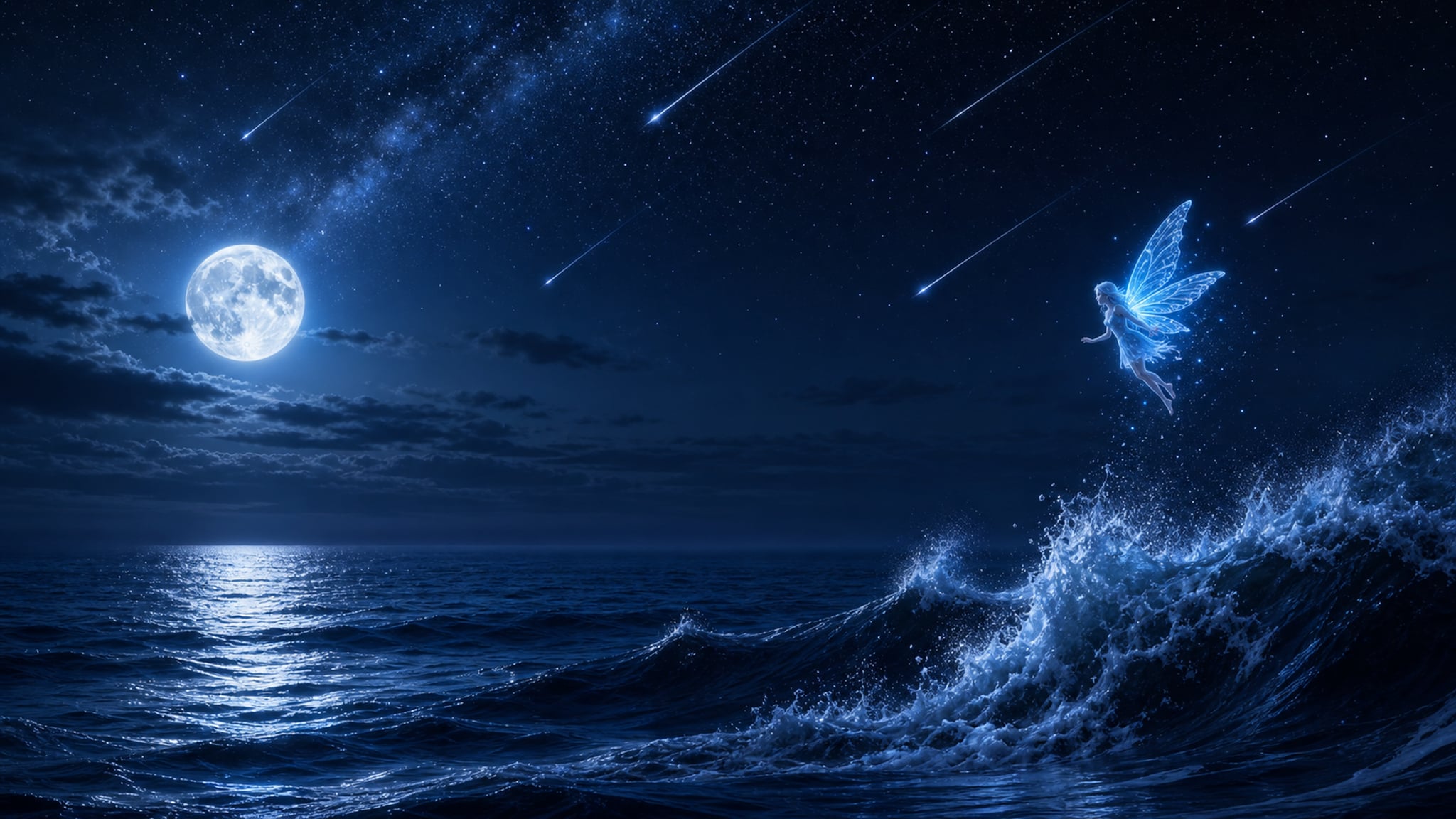
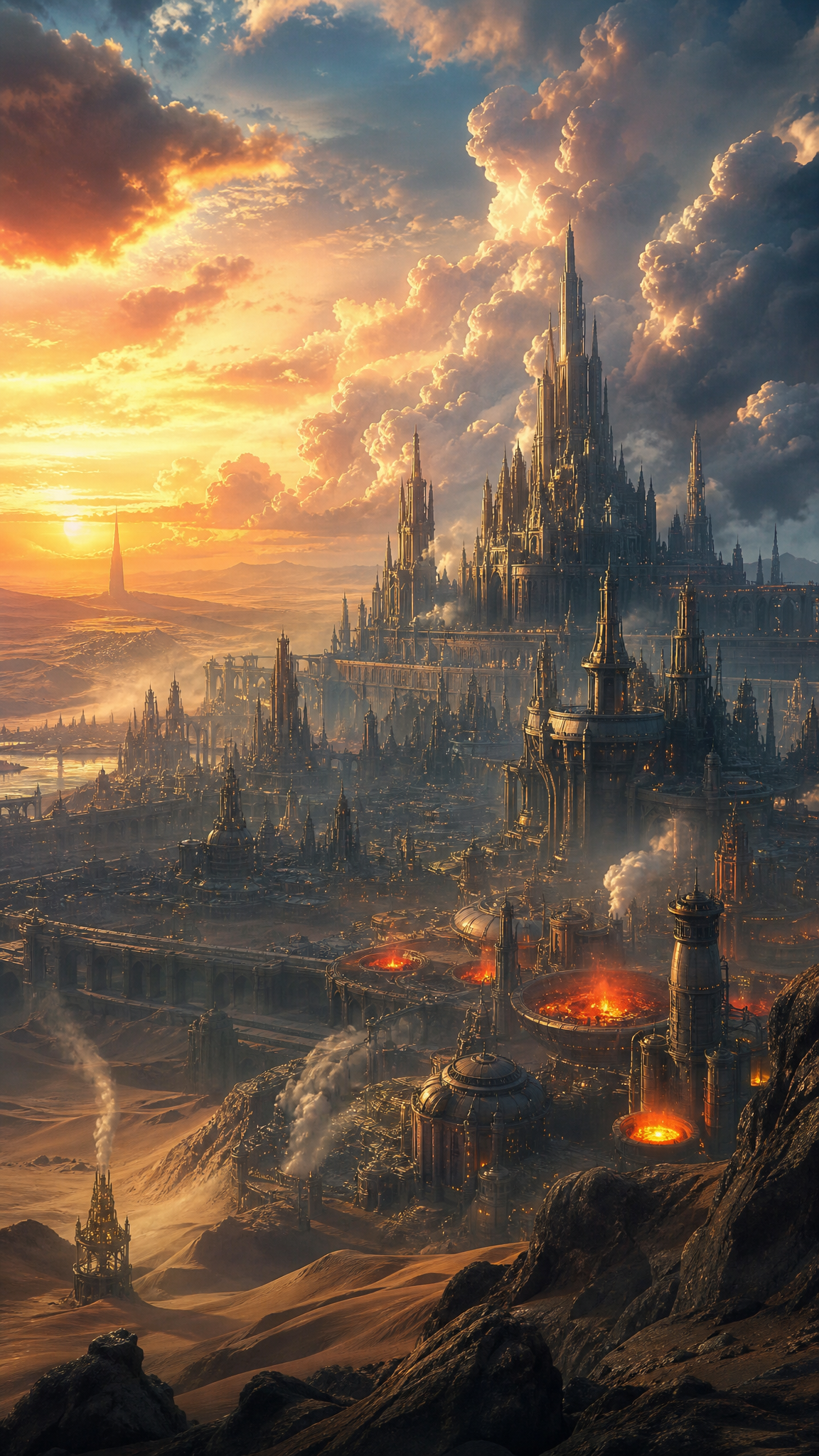
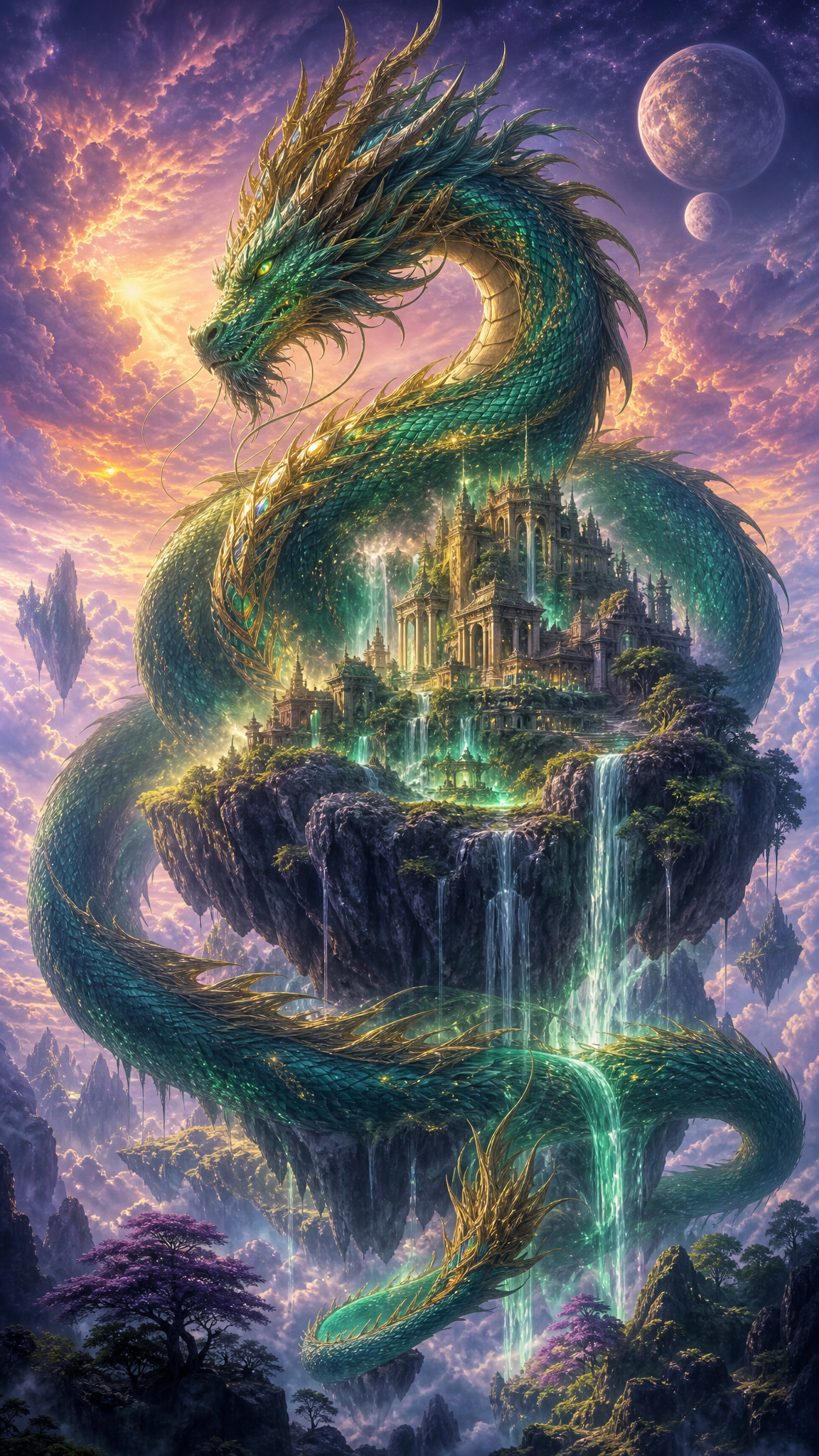
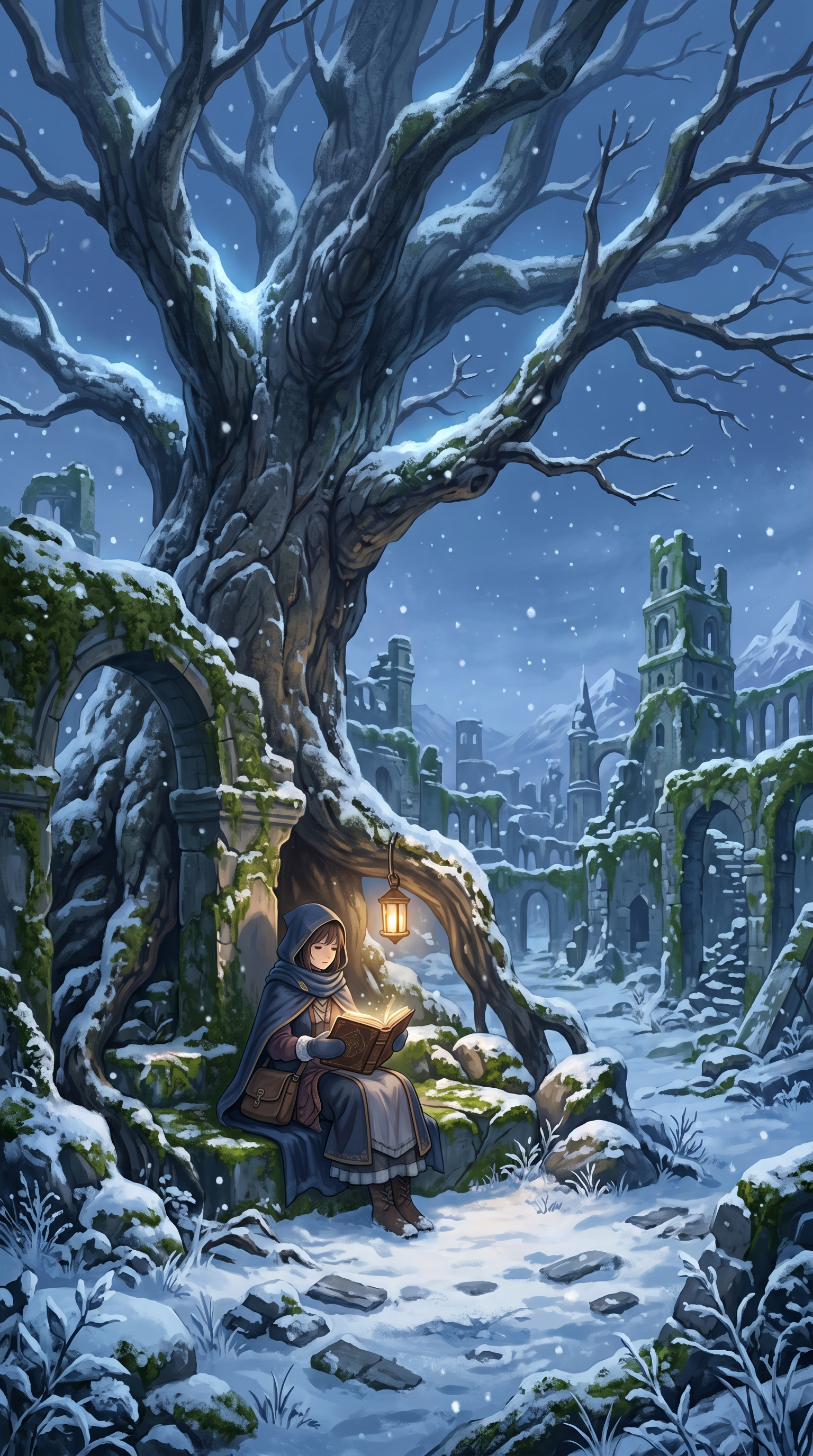
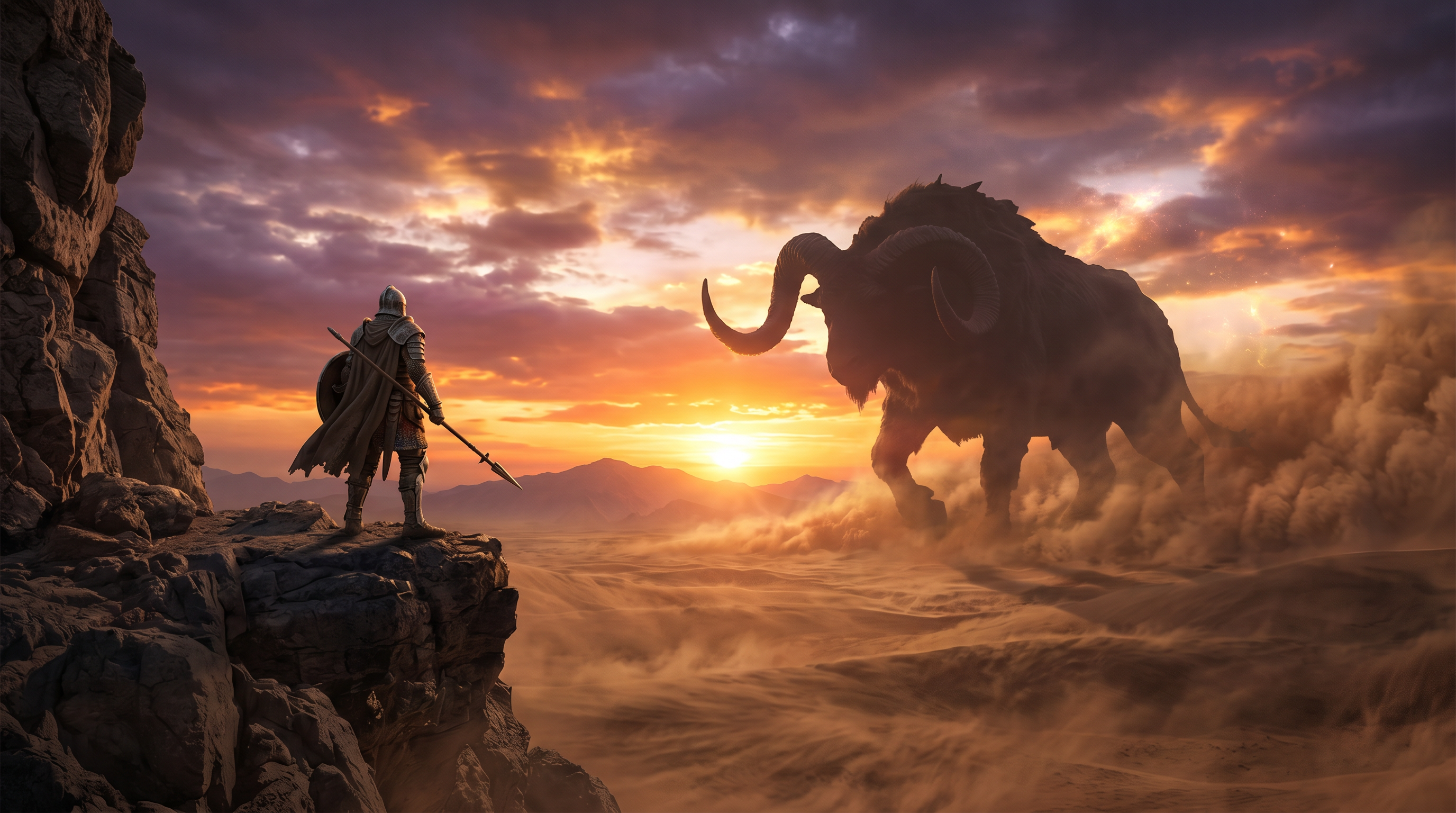
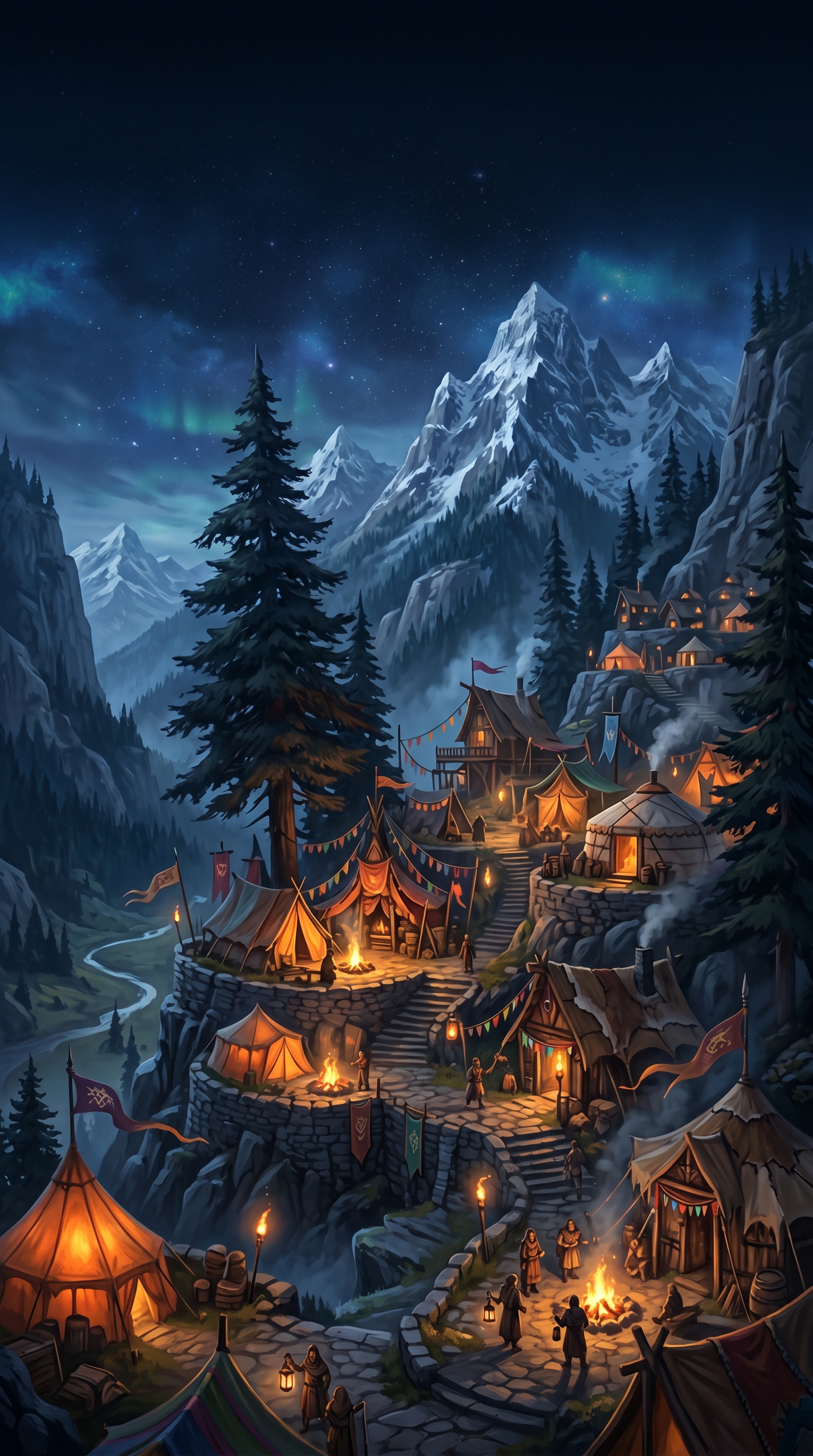
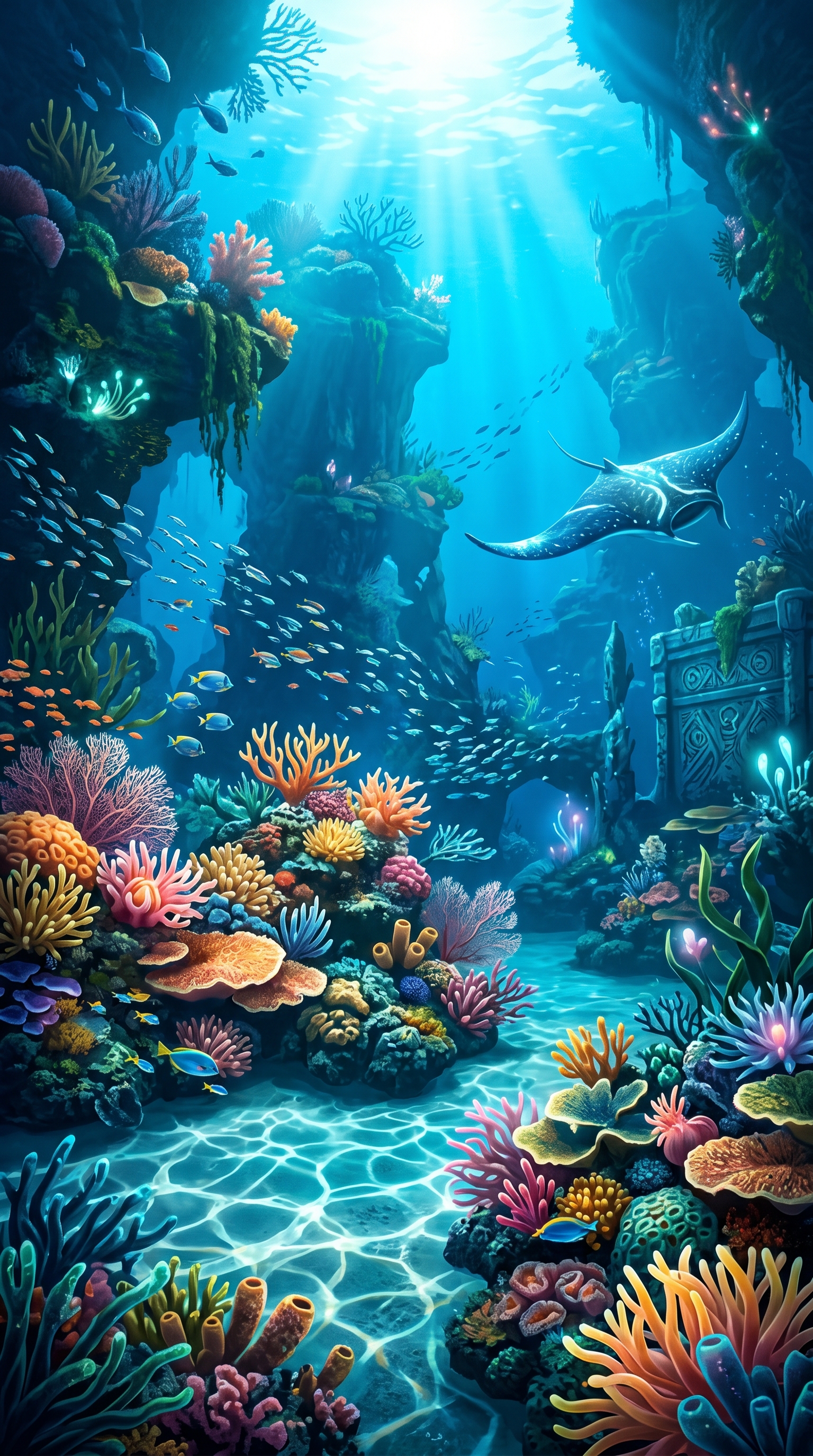
Fantasy art is a broad modern genre depicting imaginary worlds, mythical creatures, and heroic narratives drawn from folklore, legend, and literary invention. In wallpaper and digital art, the fantasy aesthetic favors sweeping landscapes, towering castles, magical light effects, and richly detailed environments that evoke wonder and escapism. Strongly influenced by Tolkien's Middle-earth and the tradition of book-cover illustration from Frazetta to the present, fantasy wallpapers deliver epic atmosphere and narrative depth to any screen.
Acerca del arte de Fantasy
Fantastic art is a broad tradition of representing mythical, mystical, and folkloric subjects rather than a single movement. The modern fantasy-art market took shape in the mid-20th century through paperback covers and magazine illustration. Britannica describes Frank Frazetta as one of the most gifted artists in fantasy and science fiction, and his dynamic Conan and adventure imagery became a major reference point for later fantasy illustration. Smithsonian's coverage of Tolkien's paintings and maps shows that Tolkien's own artwork helped define Middle-earth visually, reinforcing the landscape-driven branch of fantasy art that later spread through books, games, film concept art, and digital wallpapers. Contemporary fantasy wallpaper design usually combines that illustrated tradition with epic environments, mythic creatures, and a painterly sense of wonder.
Rasgos visuales
- Epic-scale landscapes with dramatic depth: vast valleys, mountain ranges, distant castles, and layered atmospheric perspective
- Warm-to-cool light gradients simulating golden hour, magical glow, or ethereal mist
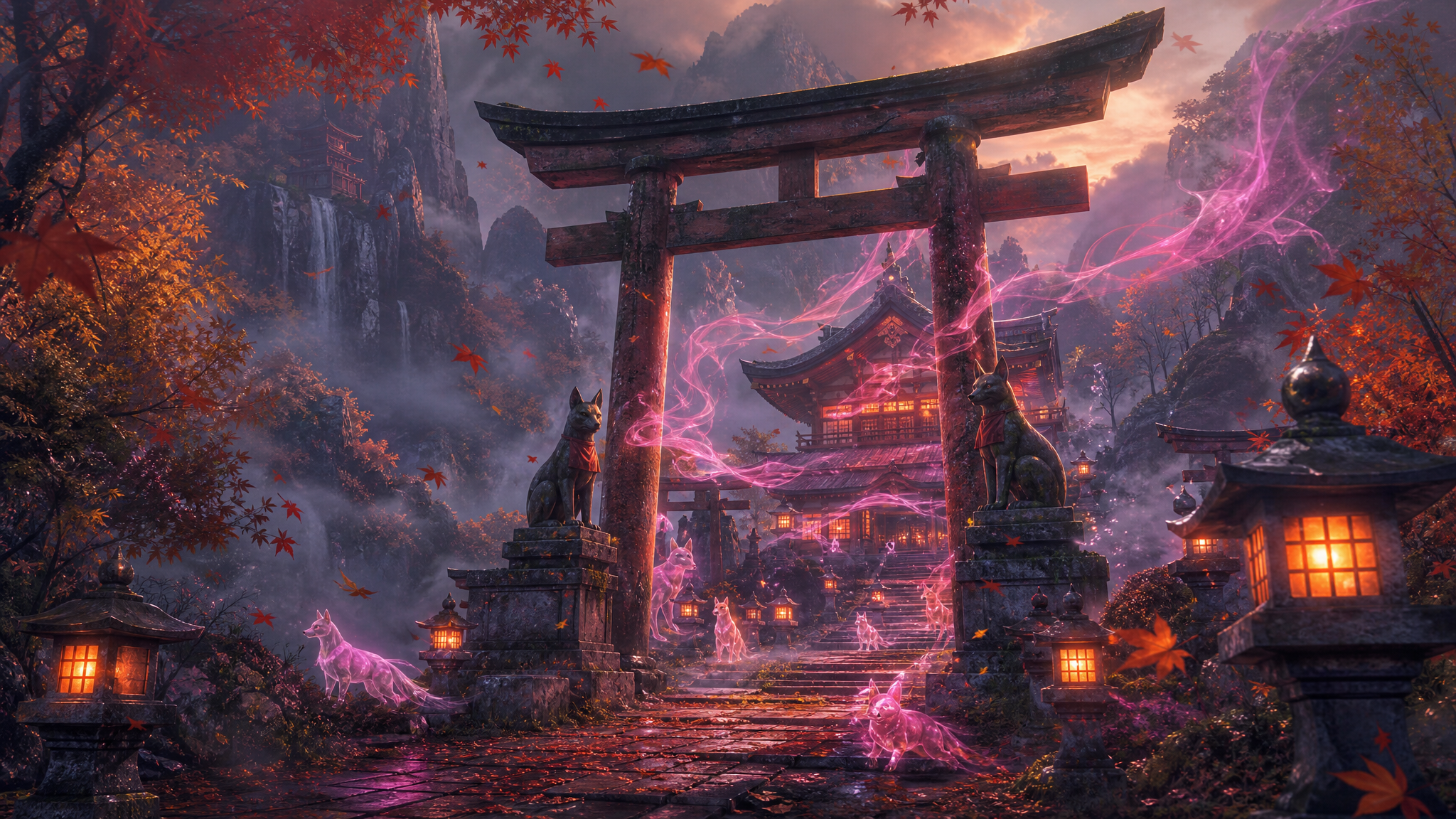
- Towering architectural structures: castles, fortresses, ancient ruins, soaring bridges, and wizard towers
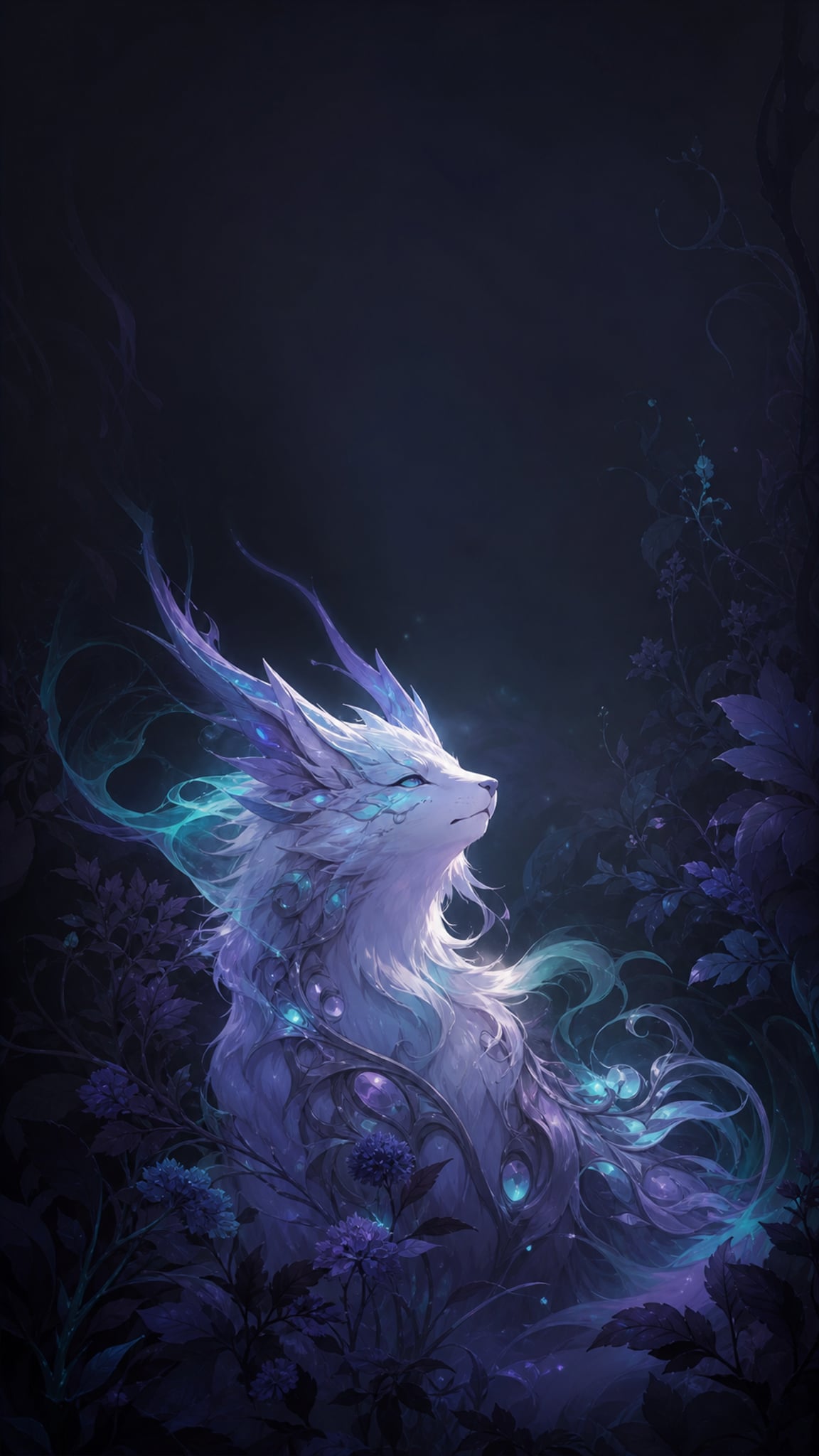
- Mythical creatures and beings: dragons, griffins, elves, dwarves, and other folklore-derived entities
- Lush natural environments: enchanted forests, crystalline lakes, waterfalls, and flowering meadows
- Rich color saturation with an emphasis on greens, golds, deep blues, and warm ambers
- Painterly rendering with visible brushwork or digital painting texture, not photographic flatness
- Narrative composition: scenes that imply a story, journey, or moment of discovery
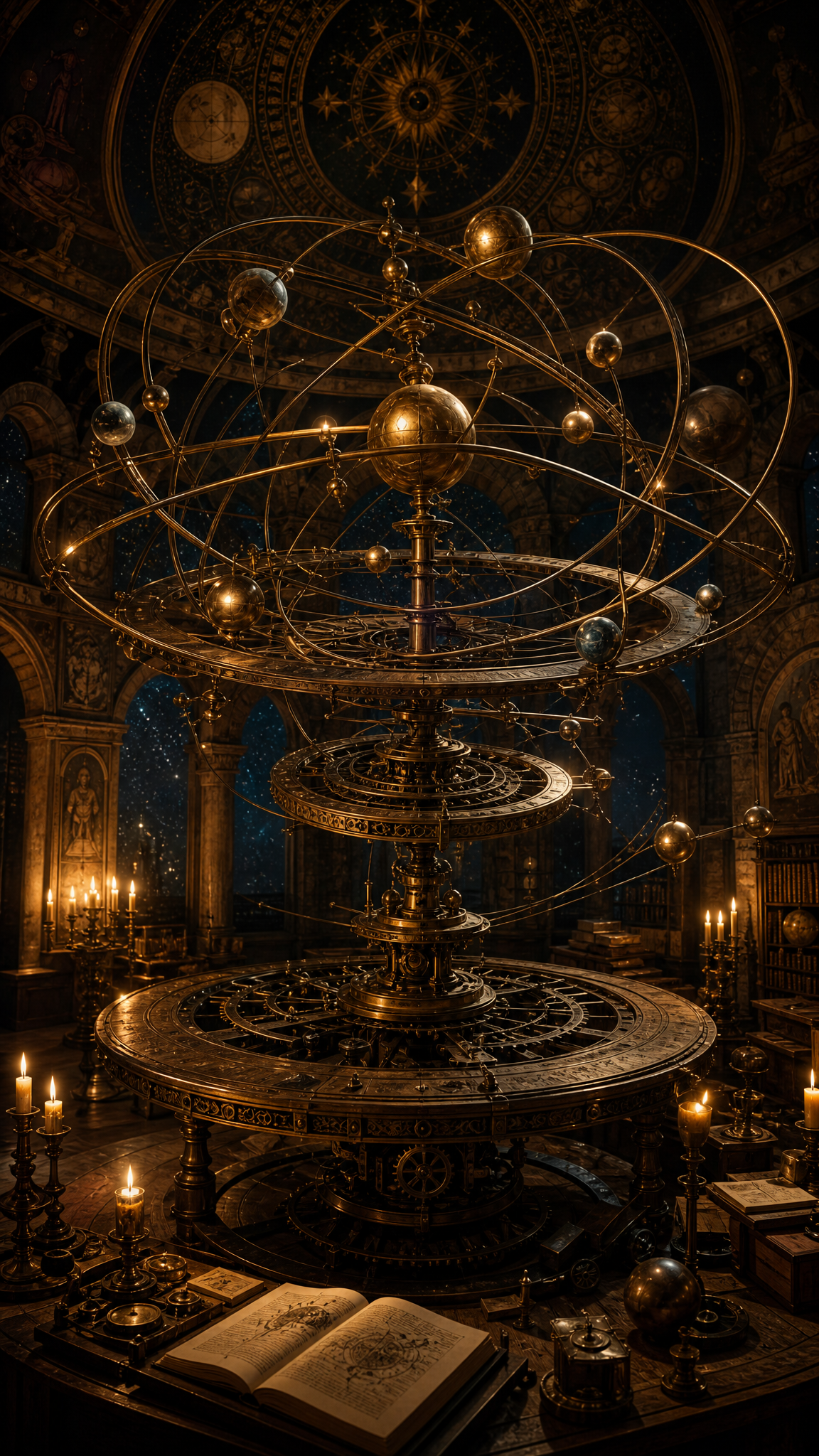
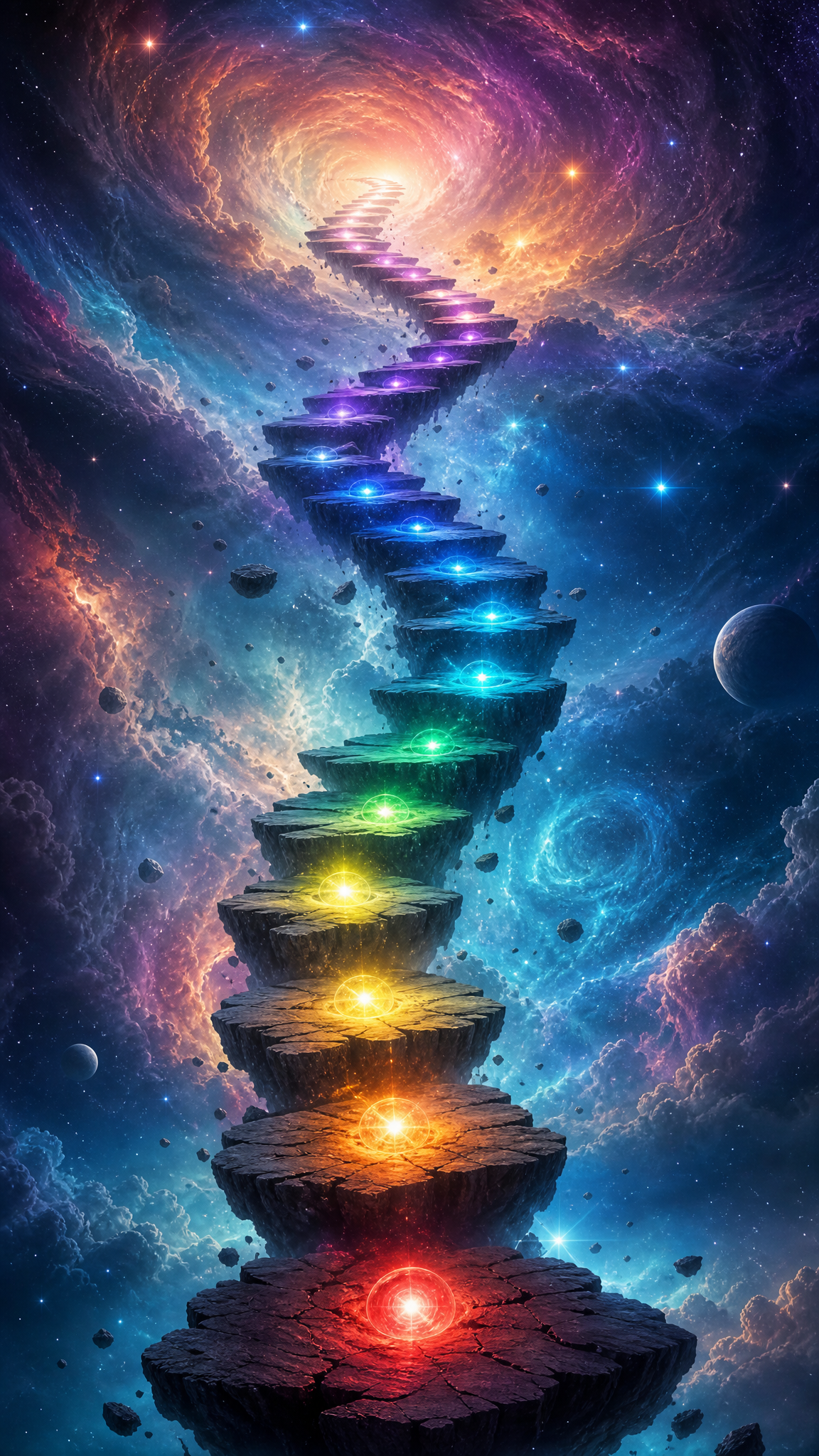
- Symbolic light sources: glowing runes, magical orbs, bioluminescent flora, or celestial phenomena
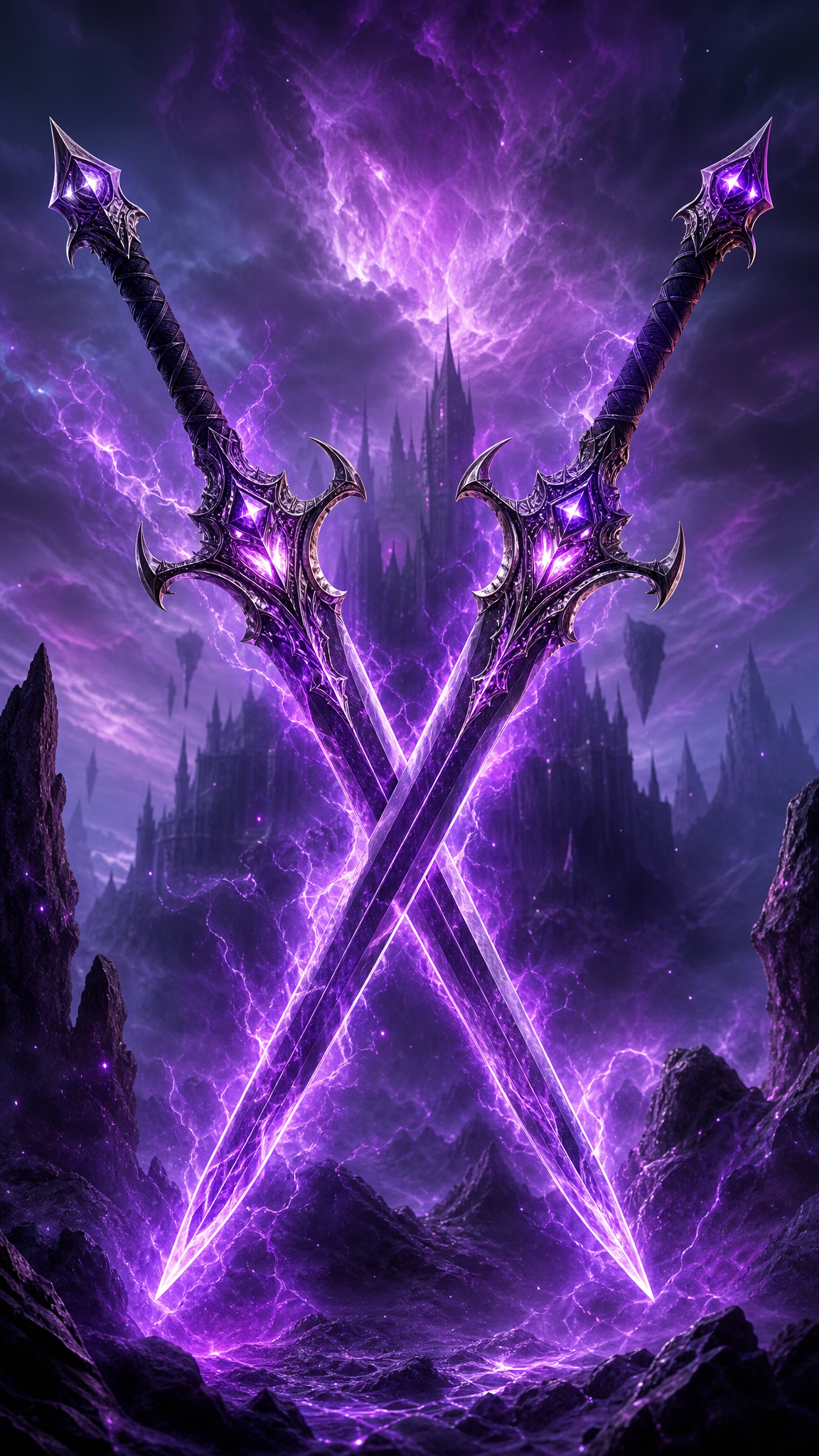
- Armor, weapons, banners, and other material-culture details rendered with craft precision
- Sense of scale contrast: small figures against vast environments to emphasize the epic
Casos de uso
Desktop wallpapers with sweeping landscape compositions that leave natural icon-safe zones in sky or foreground areas
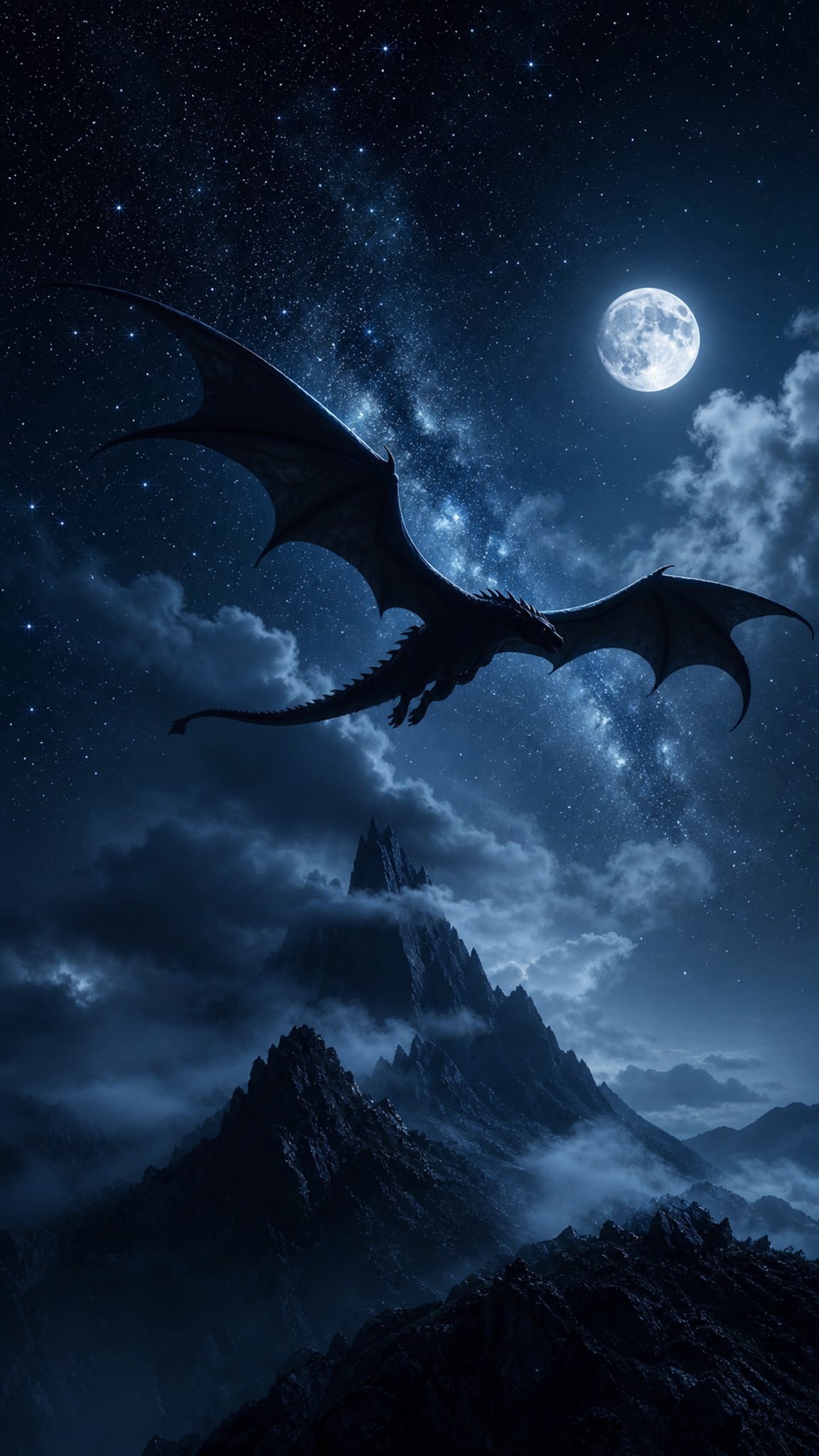
Phone lock screens featuring a single dramatic element: a lone tower, a dragon silhouette, or a magical portal
Ultrawide displays perfectly suited to panoramic fantasy vistas with layered depth
Dual-monitor setups where a continuous landscape spans both screens
Dark-mode desktops using twilight or moonlit fantasy scenes with rich but subdued tones
Seasonal wallpaper collections themed around fantasy seasons, realms, or quest narratives
Estilos similares
Diferente de
Guía de prompt
Indicaciones para el prompt
- Lead with the world, not the character: 'epic fantasy landscape,' 'enchanted forest vista,' or 'ancient castle on a mountain ridge at golden hour'
- Name the atmosphere: 'ethereal mist,' 'magical golden light,' 'twilight glow,' or 'storm clouds breaking over a distant citadel'
- Specify the tradition if needed: 'Tolkien-style Middle-earth landscape,' 'classic high fantasy illustration,' or 'D&D concept art aesthetic'
- Control the palette: 'rich greens and golds,' 'deep twilight blues and warm amber highlights,' or 'autumnal fantasy forest palette'
- For wallpaper usability, request 'open sky area for desktop icons' or 'atmospheric depth with foreground breathing room'
- Add medium cues: 'digital painting,' 'oil-painting texture,' or 'concept art quality' to avoid photorealistic or flat renders
Consejos
- Internal editorial suggestion: The most wallpaper-friendly fantasy compositions use a foreground-midground-background layering that naturally creates icon-safe zones in the sky or mist layers.
- Internal editorial suggestion: Golden hour and twilight lighting consistently produce the most compelling fantasy wallpapers because they add warmth and depth without artificial-looking magic effects.
- Internal editorial suggestion: Referencing specific artists or franchises ('Alan Lee style,' 'Lord of the Rings concept art') gives more consistent results than generic 'fantasy' alone.
- Internal editorial suggestion: For ultrawide displays, panoramic valley-and-mountain compositions with layered atmospheric perspective scale naturally without cropping issues.
Palabras clave recomendadas
Evitar
Errores comunes
- Generic green hills with no focal point — add a specific landmark (castle, ancient tree, bridge) for compositional anchor
- Overly dark and muddy rendering — fantasy should feel luminous; specify 'magical golden light' or 'ethereal glow' to maintain brightness
- Character-dominated scenes that leave no wallpaper breathing room — lead with environment, not figures
- Drifting into dark fantasy — keep the tone aspirational by avoiding words like 'ruins,' 'decay,' 'desolate' unless intentional
- Flat digital look without painterly texture — add 'oil painting texture,' 'visible brushstrokes,' or 'concept art rendering'