#Glassmorphism
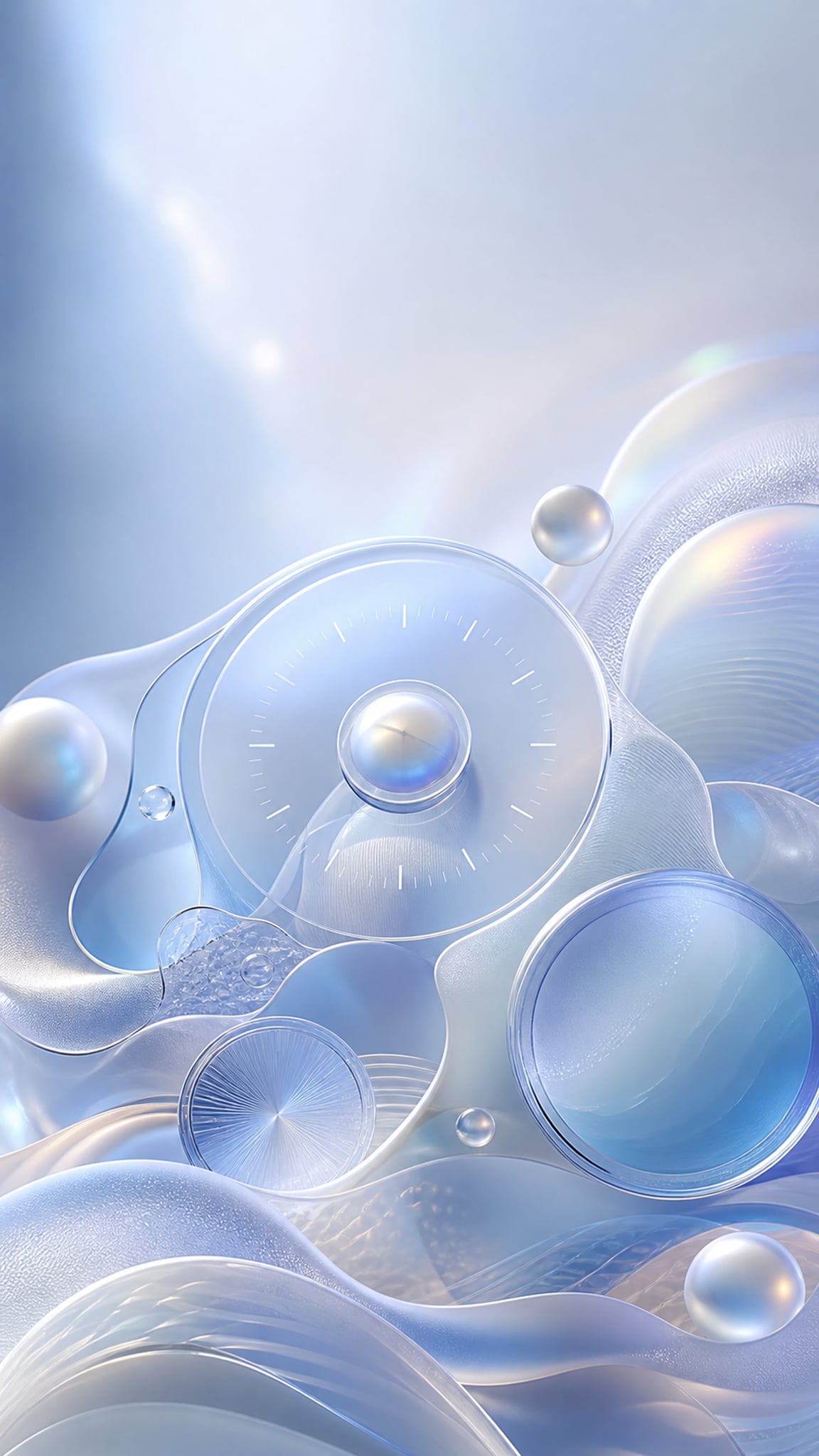
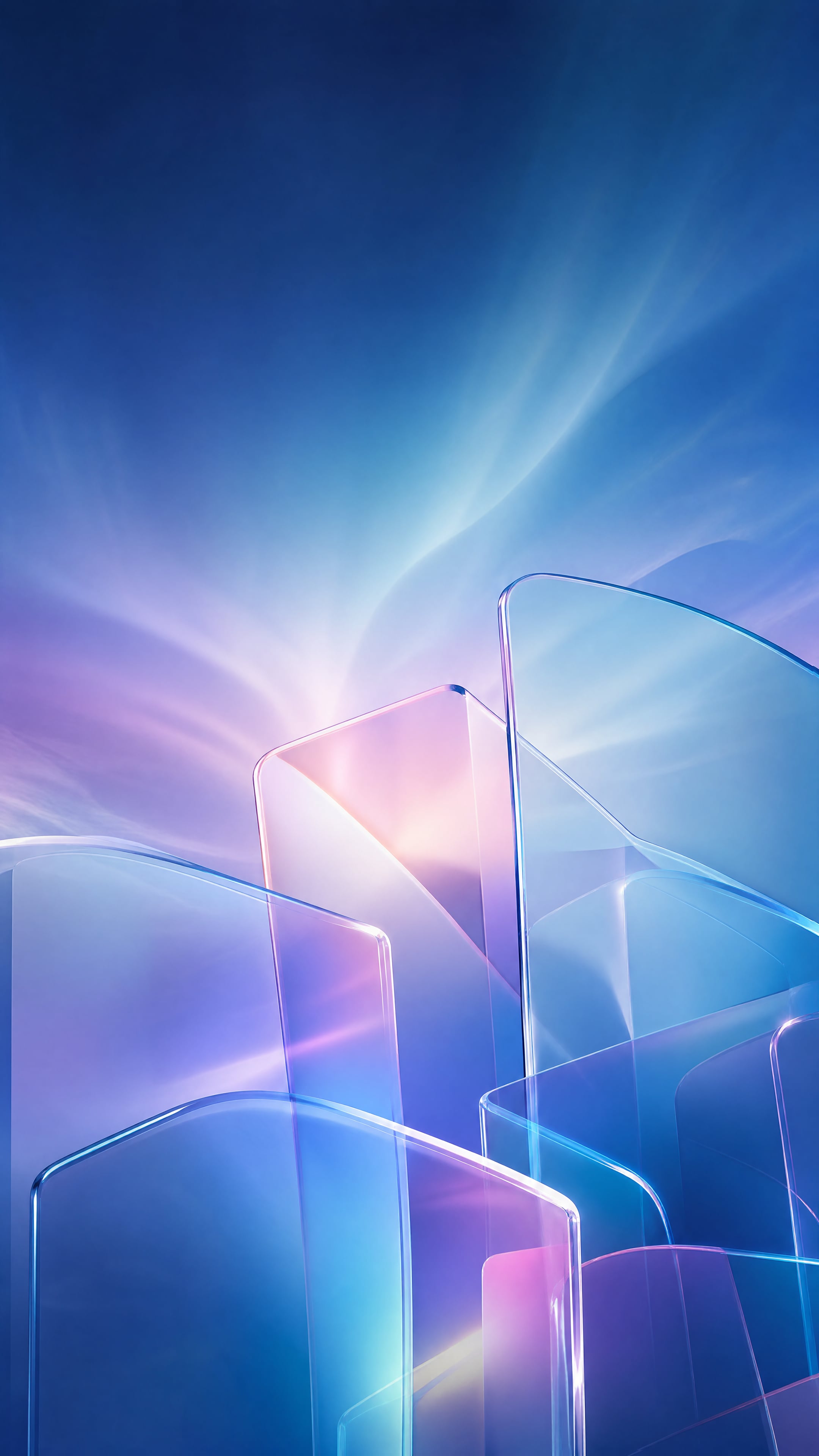
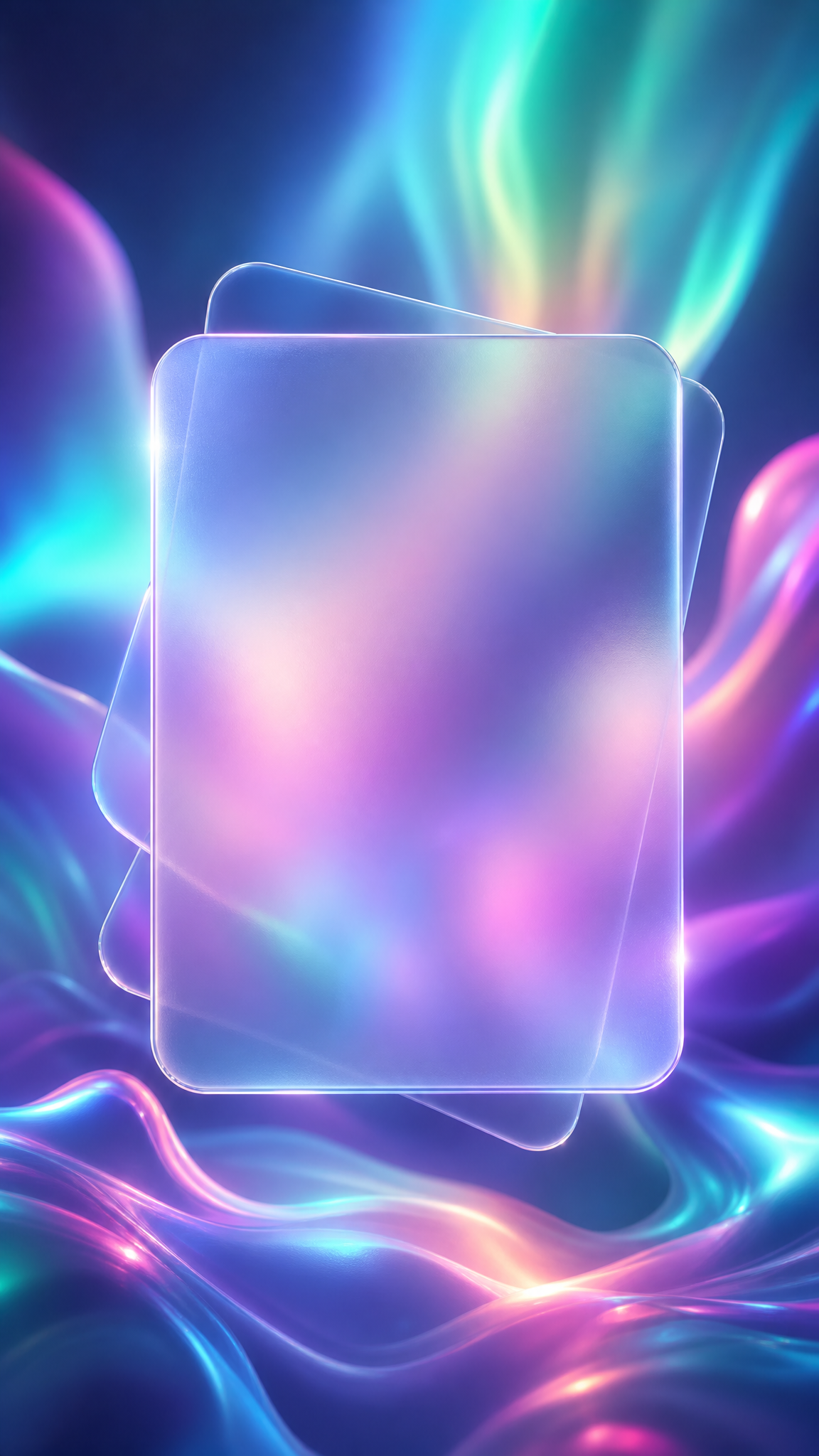
Glassmorphism wallpapers translate the frosted-glass UI trend into still images: translucent panels, soft blur, pale edge highlights, and a layered sense of depth that feels clean, futuristic, and touch-interface aware. The style became widely recognizable through modern OS and product-design language, which is why it often reads as both trendy and system-native at the same time.
Acerca del arte de Glassmorphism
The verified sources support glassmorphism as a recent interface-design trend with a clear visual metaphor and a traceable period of adoption. NN/g defines the style and discusses practical best practices, IxDF documents the frosted-glass metaphor and recent history, and Hype4's 2021 article supports its emergence as a named design trend tied to Apple- and Microsoft-adjacent interface language. Together, these sources justify glassmorphism as a contemporary digital style rooted in interface layering, blur, and translucency rather than in older decorative-art history.
Rasgos visuales
- Translucent panels that reveal softened background color
- Blurred backdrops and frosted-surface feel
- Light borders or edge highlights that define transparent layers
- Subtle shadow used to separate floating cards from the background
- A cool, clean, polished digital mood
- Depth built from layered panels rather than realistic perspective
- Soft gradients and pastel or cool-tone surfaces behind glass elements
- A future-facing interface aesthetic
Casos de uso
Device wallpapers that need to feel modern, clean, and system-native
UI-inspired backgrounds for desktops and tablets
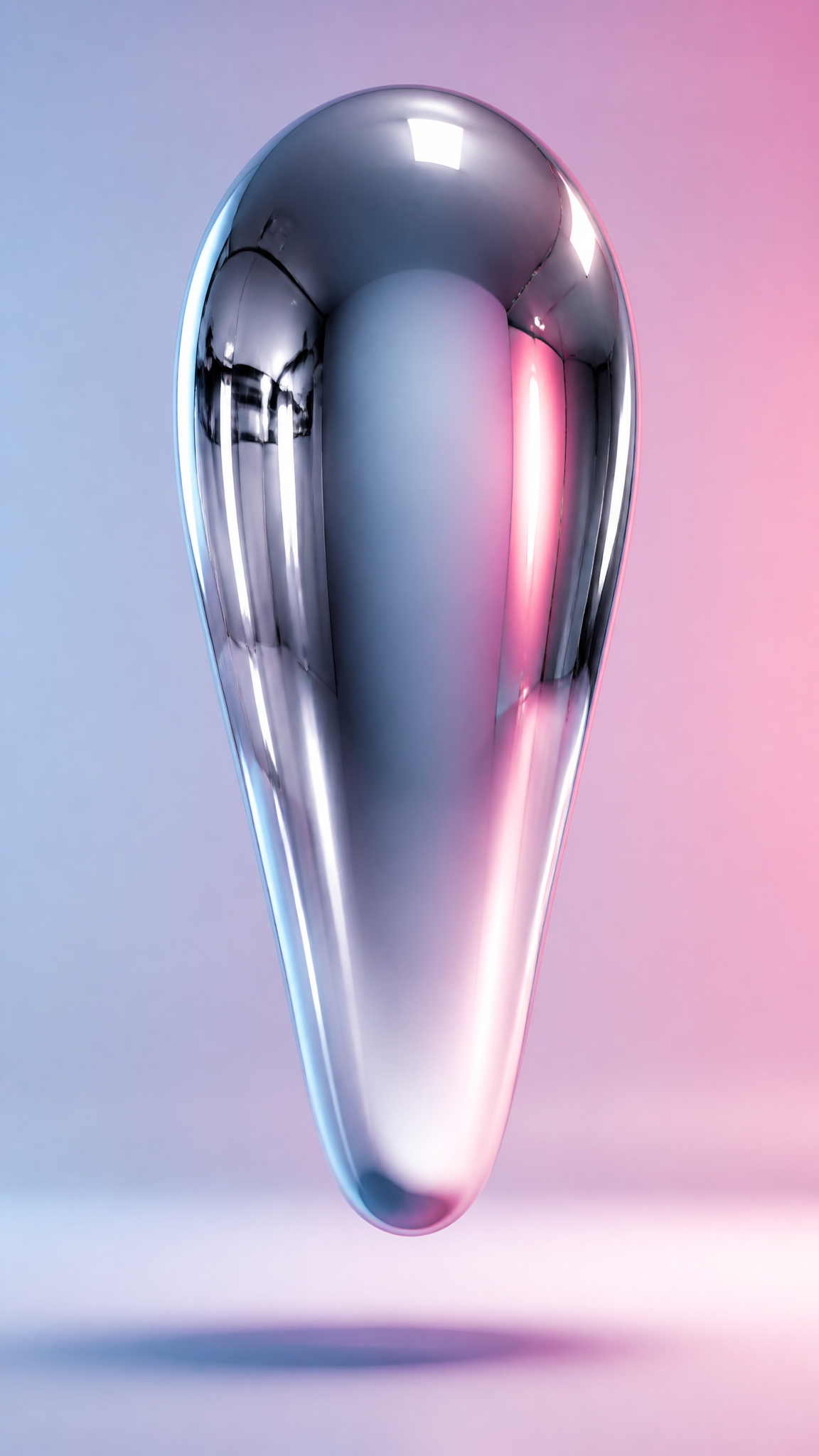
Phone wallpapers built around one or two floating translucent objects
Tech or productivity themes that want softness rather than harsh neon futurism
Abstract wallpapers where depth comes from layered glass surfaces
Estilos similares
Diferente de
Guía de prompt
Indicaciones para el prompt
- Name the style directly, such as 'glassmorphism wallpaper' or 'frosted glass interface background'
- Ask for translucent panels, soft blur, pale borders, and floating layers
- Use a restrained palette with cool grays, pastel gradients, icy blues, or tinted transparency
- If the image looks like solid plastic, increase transparency and blur while keeping one clean edge highlight
- If it becomes generic abstract design, add interface-like layering or card depth
Consejos
- Internal editorial suggestion: one to three translucent layers is usually enough for wallpaper use.
- Internal editorial suggestion: edge highlights matter more than users expect; they define the glass plane.
- Internal editorial suggestion: cross-link with `dark-mode`, `gradient`, and `liquid-chrome` helps users distinguish adjacent digital-future looks.
- Internal editorial suggestion: keep the background simpler than the foreground panes so the glass effect remains legible.
Palabras clave recomendadas
Evitar
Errores comunes
- The wallpaper looks like acrylic plastic instead of frosted glass
- Transparency is too weak and the style loses its layered depth
- Blur is overused so heavily that the image becomes mushy
- The result feels trendy but not usable because there is no hierarchy