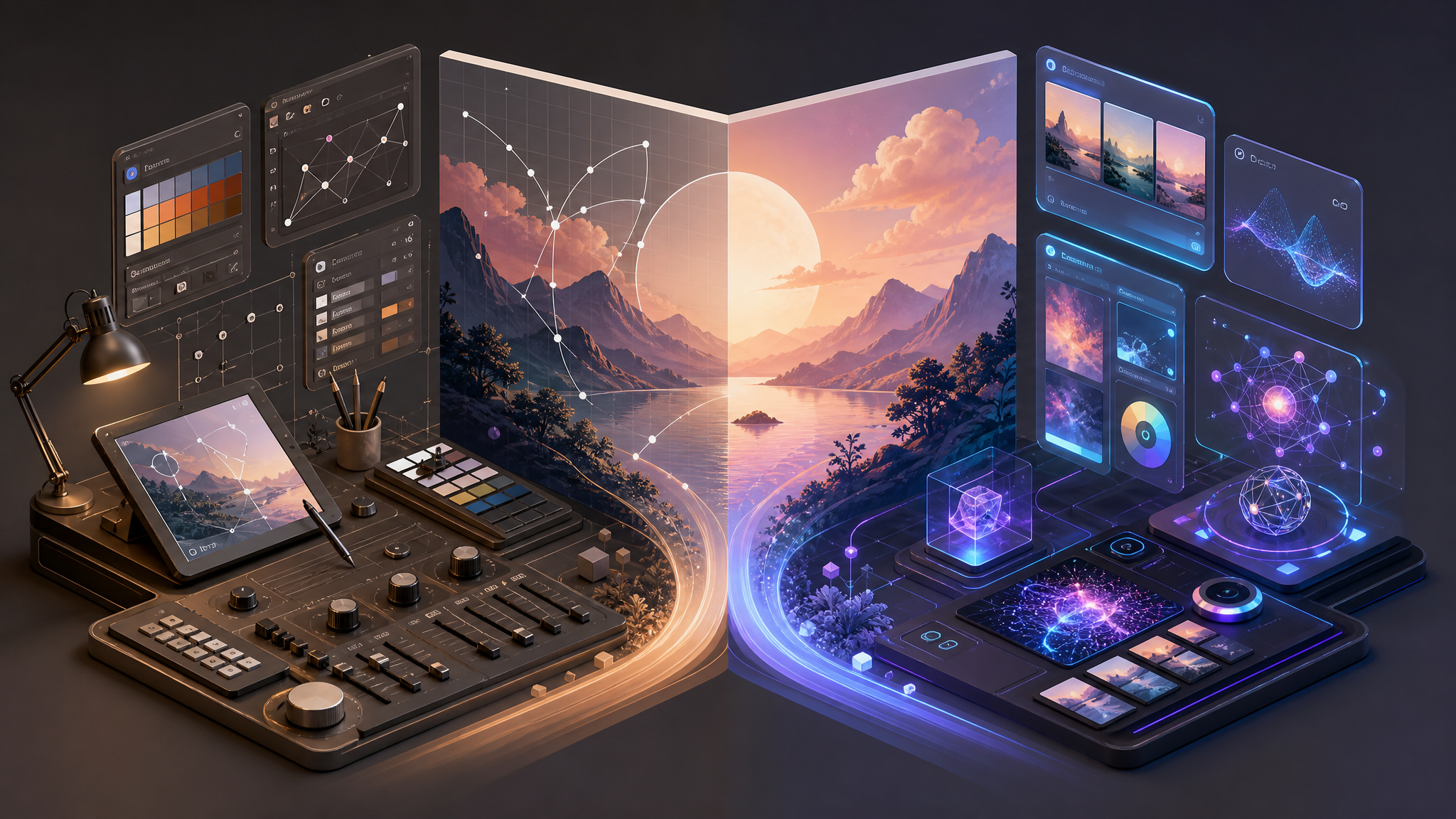
#Retro Futurism
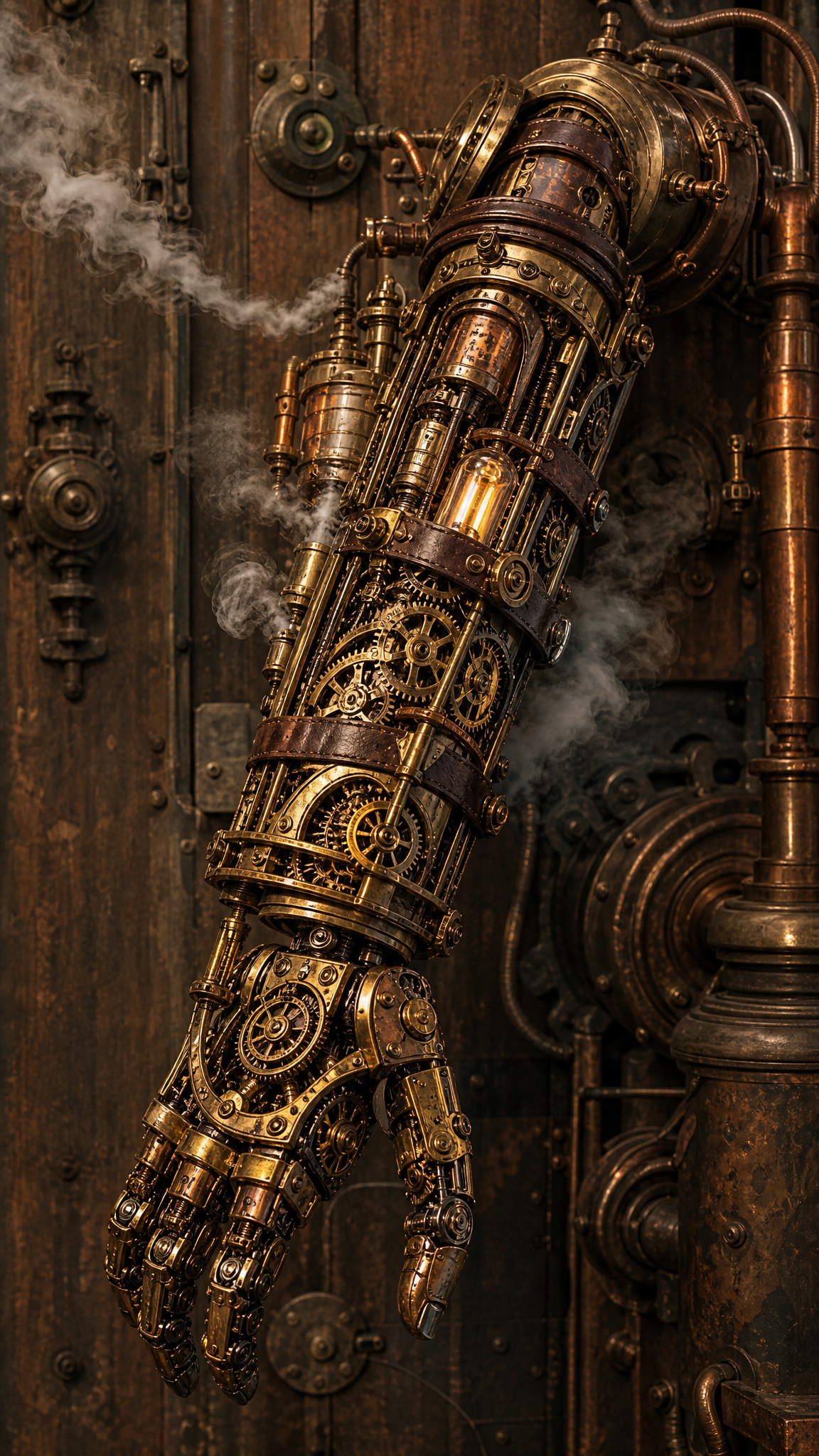
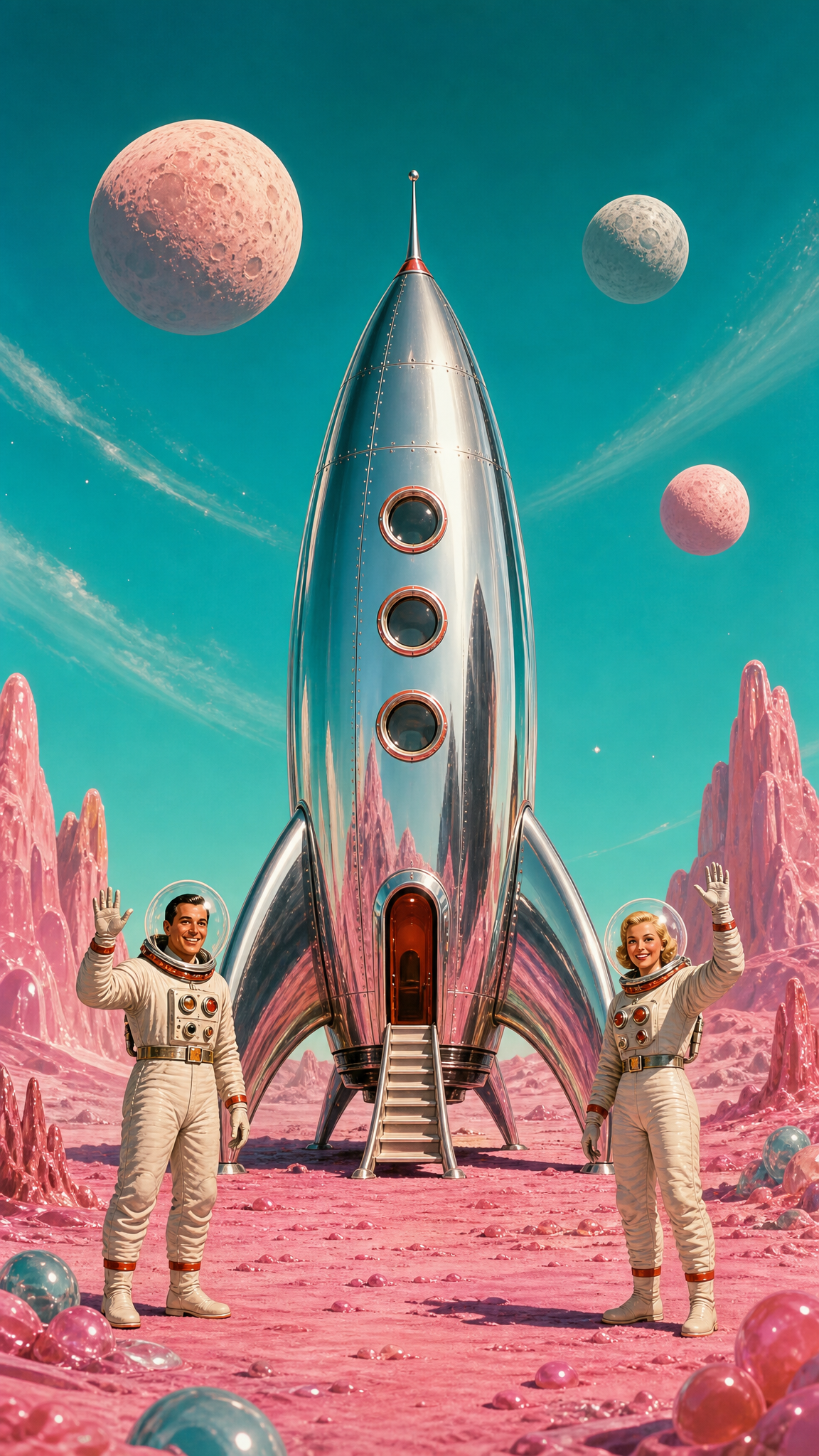
Retro-futurism is a visual style that imagines the future through the lens of past eras. It blends nostalgia, science-fiction optimism, and stylized technology imagery into wallpapers that feel both vintage and forward-looking. In practical wallpaper use, retro-futurism usually appears as space-age forms, chrome surfaces, bold neon or atomic-age palettes, friendly robots, rockets, orbital motifs, and a deliberately optimistic mood.
Acerca del arte de Retro Futurism
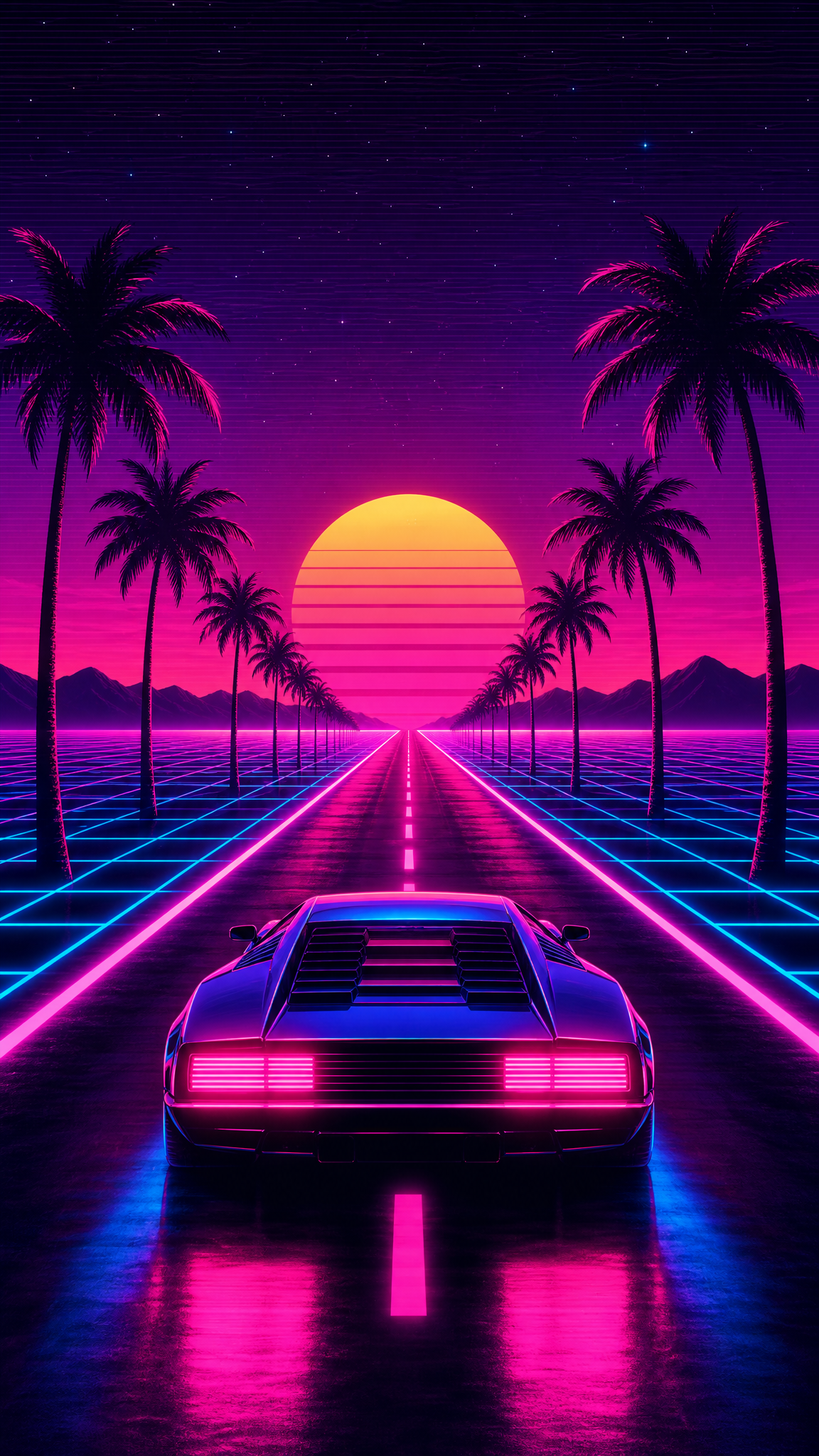
Retrofuturism is not a single historical art movement with one founding manifesto. It is a broader label for how earlier generations imagined the future, especially through late-19th-century speculative fiction, mid-20th-century atomic-age design, space-race imagery, and later 1970s-1980s sci-fi graphics. Contemporary design writing consistently frames it as the meeting point of nostalgia and imagination: past visions of tomorrow rendered with optimism, stylized technology, and era-specific visual codes. In current digital design usage, retro-futurism often covers both 1950s-1960s space-age optimism and brighter 1980s sci-fi graphics, as long as the work still feels like an older era projecting its own future.
Rasgos visuales
- Space-age imagery such as rockets, satellites, flying saucers, starbursts, planets, and orbital paths
- Chrome, metallic silver, brushed aluminum, and glossy plastic surfaces
- Color systems drawn from atomic-age brights or 1980s sci-fi neons: electric blue, hot pink, lime green, orange, bright yellow
- Rounded pod-like shapes, streamlined curves, aerodynamic silhouettes, and bubble forms
- Friendly robots, analog control panels, retro screens, toggle switches, and imagined old-tech futures
- Geometric orbital patterns, concentric circles, target forms, and scientific-diagram motifs
- Poster-like texture treatments such as grain, halftone, faded print, or lightly weathered paper surfaces
- Optimistic mood rather than dystopian grit; the future is exciting, playful, and approachable
- Mix of vintage typography cues with futuristic wording or chrome/outline treatments
- High-contrast silhouettes that read clearly on desktop and phone screens
Casos de uso
Desktop widescreen wallpapers with rockets, orbital diagrams, or horizon-line sci-fi scenes
Phone wallpapers featuring a single chrome object, robot, or space-age emblem centered on a gradient field
Gaming and entertainment setups where bold color and sci-fi energy are desirable
Creative-workspace backgrounds that feel imaginative without turning fully dystopian
Ultrawide displays that benefit from panoramic retro-space compositions
Poster-like wallpapers with strong icon-safe negative space for desktop layouts
Estilos similares
Diferente de
Guía de prompt
Indicaciones para el prompt
- Anchor the era first: '1950s atomic age retro-futurism,' '1960s space-age design,' or '1980s retro-futurist poster' gives the model a stable visual lane
- Specify the hero imagery: 'friendly robot,' 'chrome rocket,' 'orbital diagram,' 'flying saucer over a desert horizon'
- Add material language such as 'chrome,' 'metallic paint,' 'lacquered plastic,' or 'brushed aluminum'
- Control the palette explicitly: 'electric blue, hot pink, yellow, silver' or 'atomic orange, teal, cream, chrome'
- If you want poster energy, ask for 'grainy print texture,' 'vintage sci-fi poster,' or 'halftone screenprint look'
- For desktop layouts, ask for wide panoramic composition and leave negative space for icons
Consejos
- Internal editorial suggestion: If the image feels too polished, add light print grain or poster weathering to recover the retro side of the style.
- Internal editorial suggestion: For desktop wallpapers, horizon scenes with a single rocket, saucer, or planet read better than dense cockpit interiors.
- Internal editorial suggestion: For phone wallpapers, one centered retro-tech object on a smooth gradient is usually the strongest composition.
- Internal editorial suggestion: Mixing atomic-age geometry with chrome materials is more reliable than trying to blend every retro-future decade at once.
Palabras clave recomendadas
Evitar
Errores comunes
- Landing in synthwave by default — if that happens, add 'mid-century space age' and remove neon-grid cues
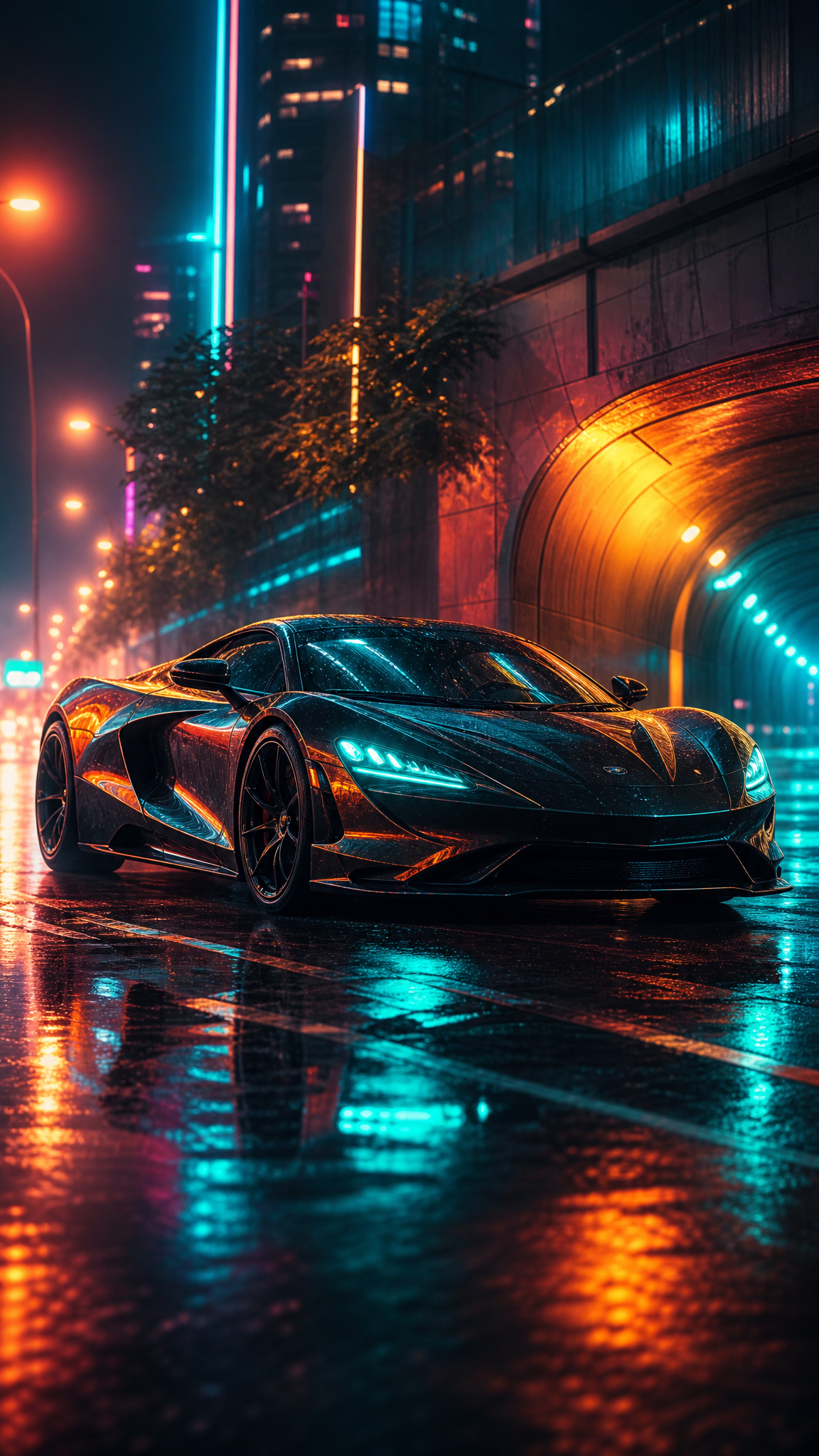
- Becoming cyberpunk — add 'optimistic,' 'clean,' 'friendly,' and 'playful' to steer away from dystopia
- Looking too contemporary — add 'vintage poster texture,' 'analog print,' or an explicit decade reference
- Overloading with unrelated sci-fi props — pick one era and 2-3 signature motifs instead of every future trope at once
- Losing wallpaper usability — preserve clean negative space and avoid full-frame clutter