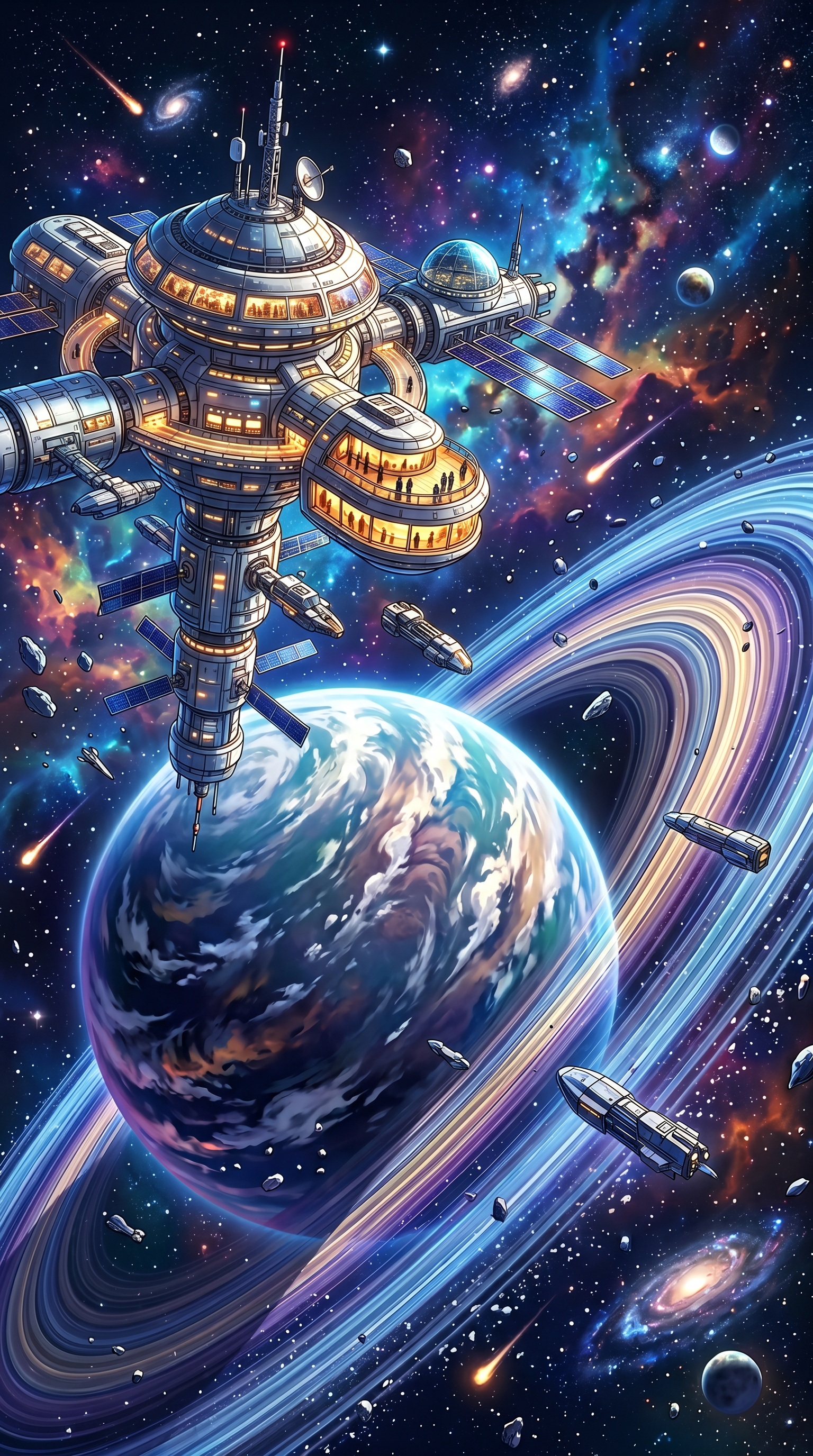
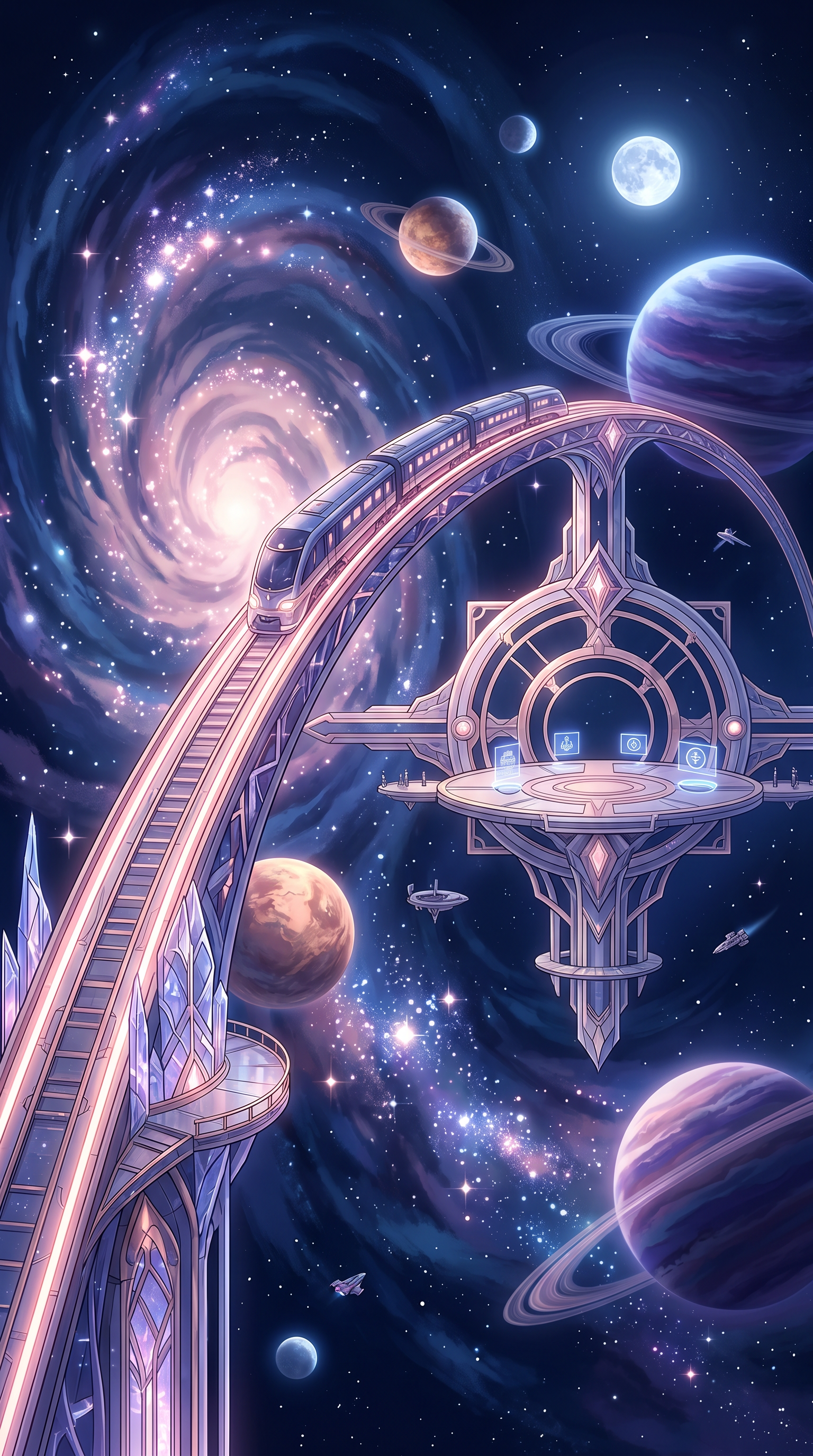
#Sci-Fi
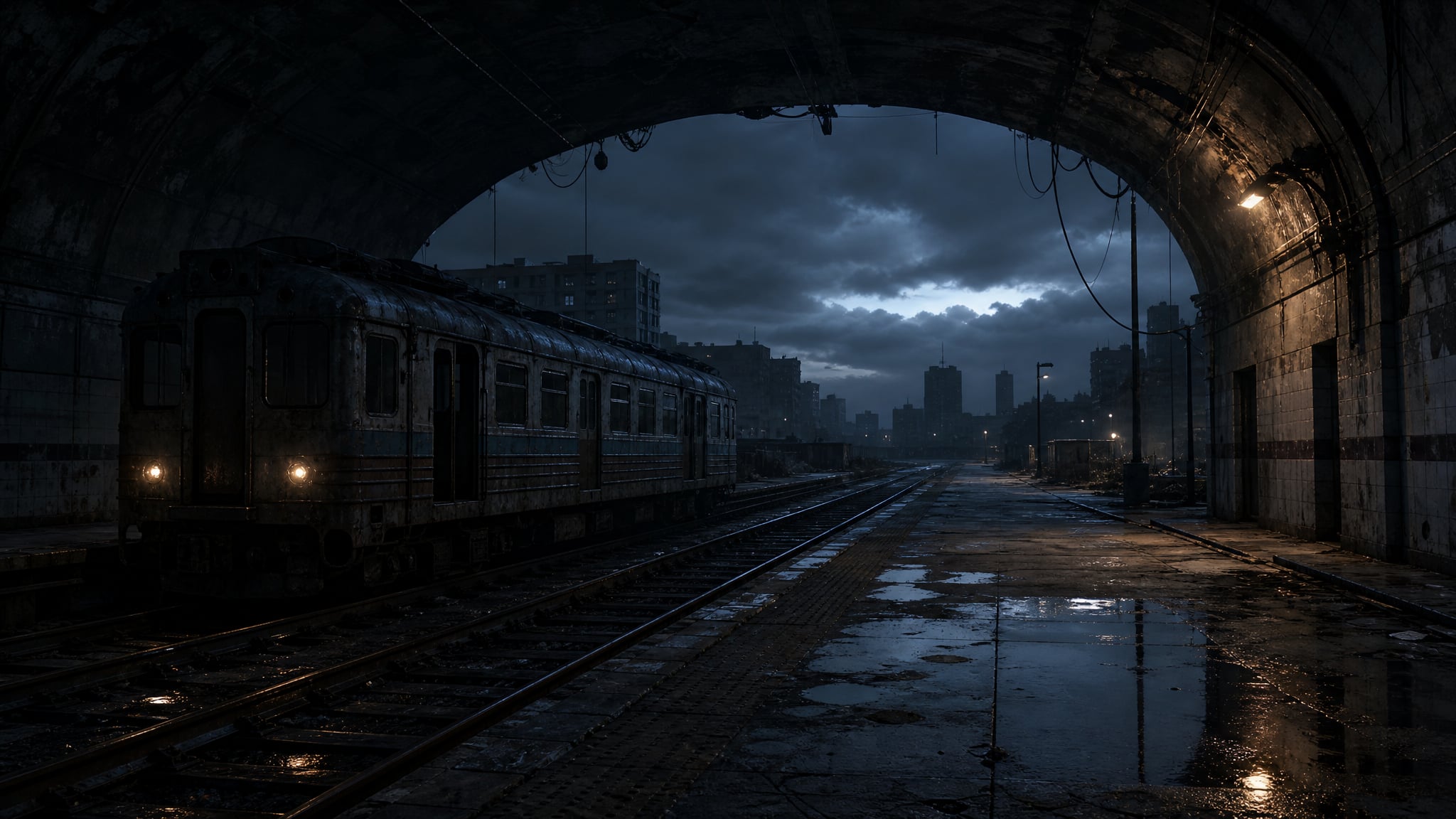
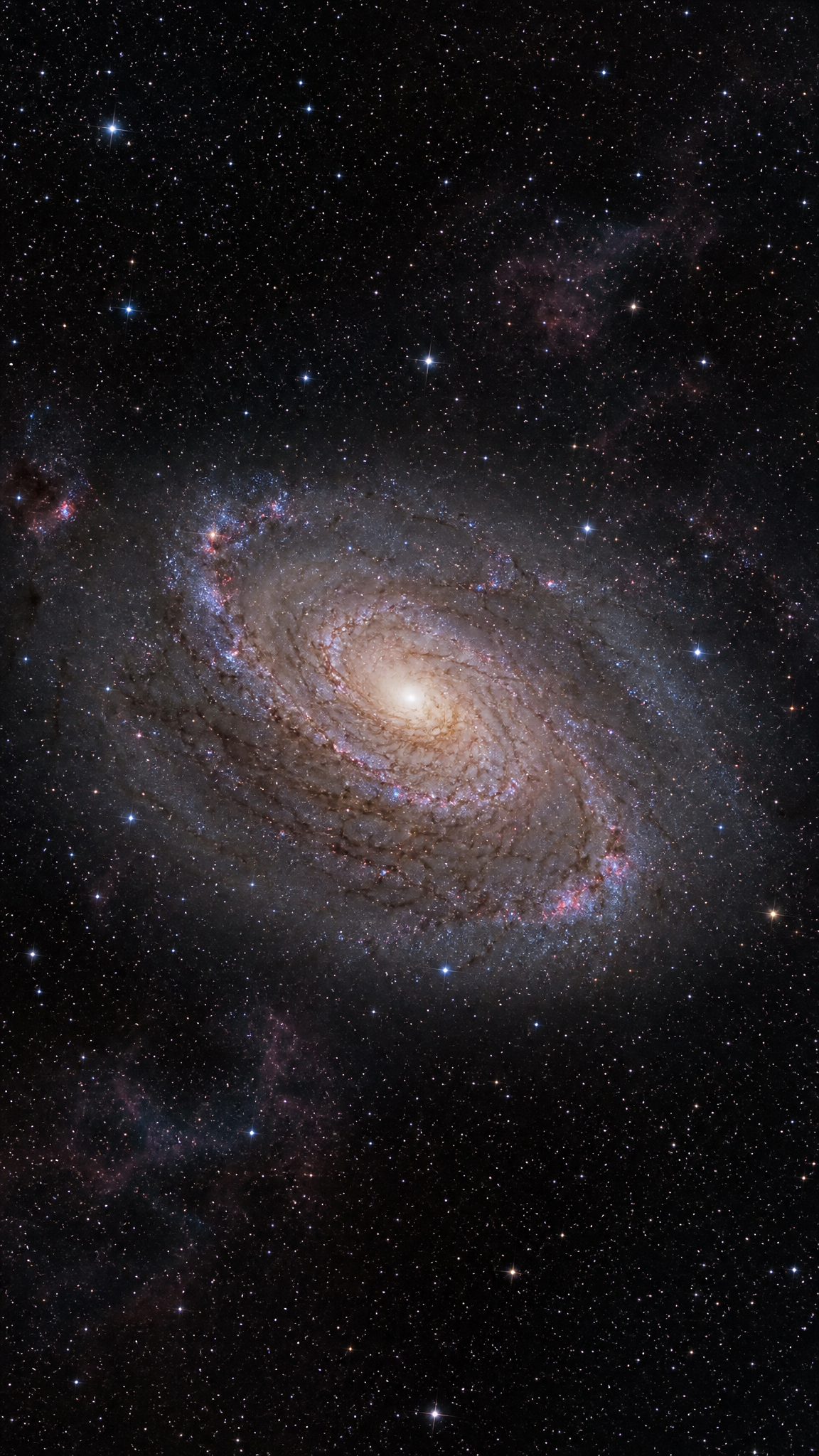
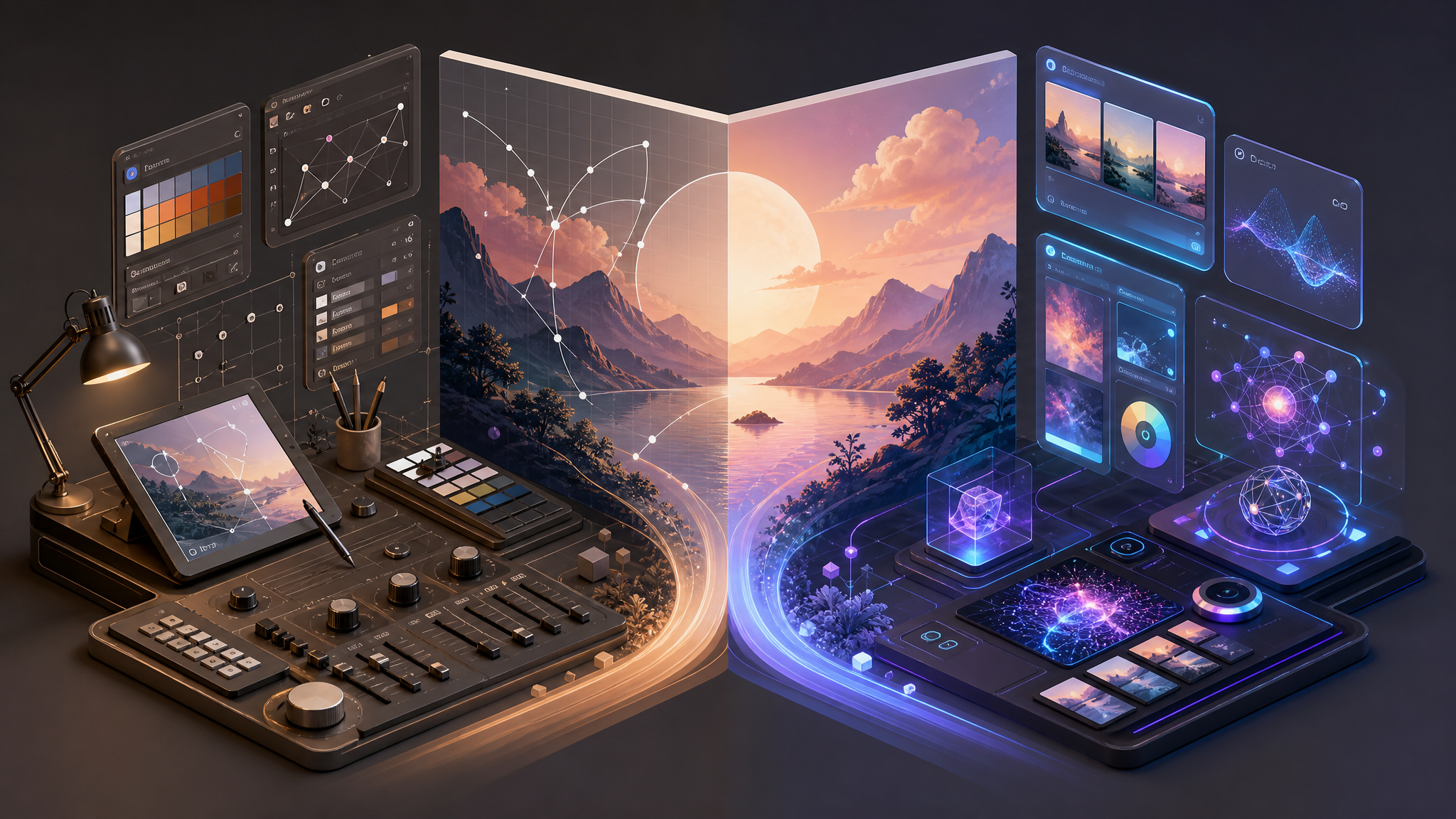
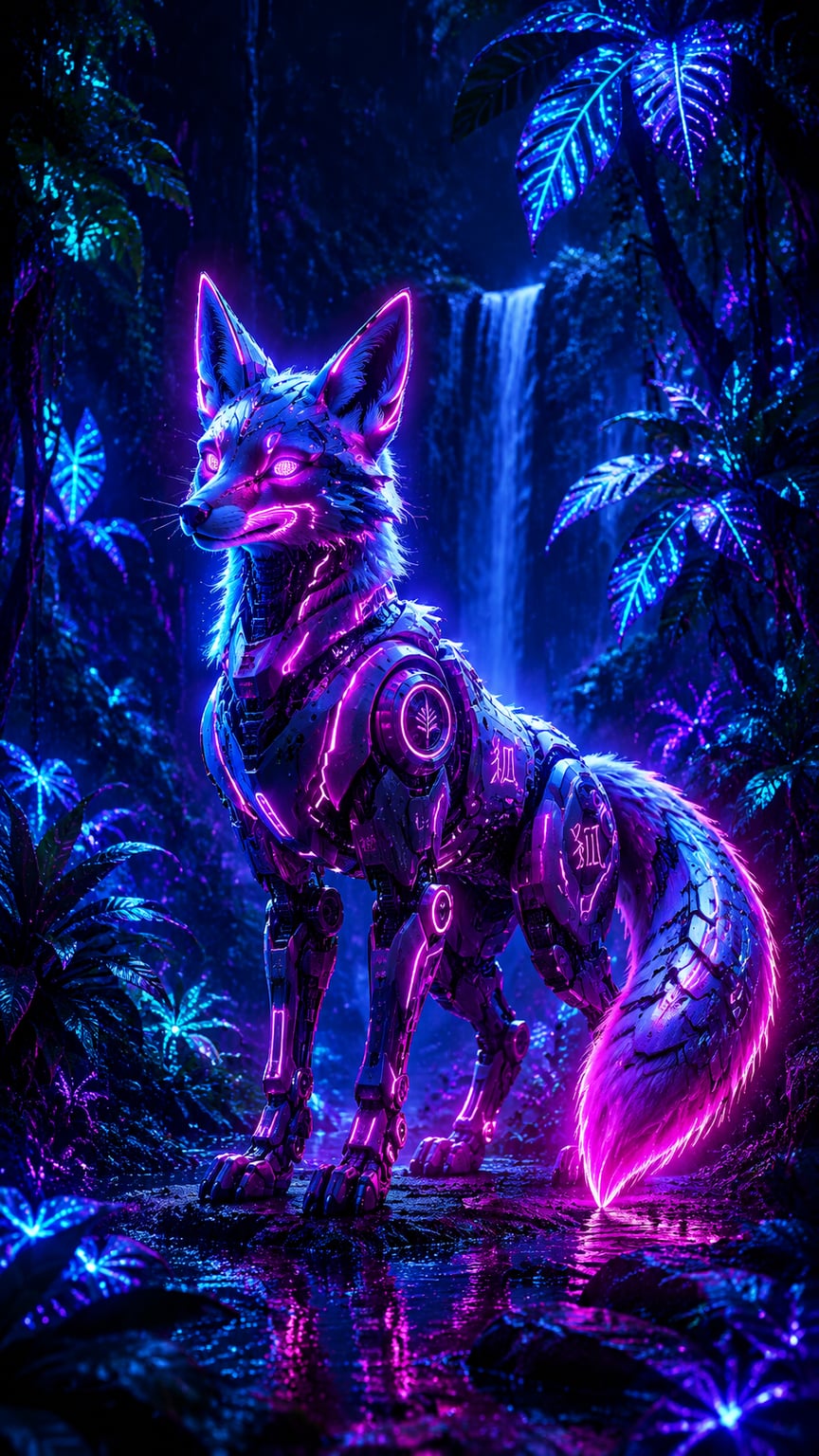
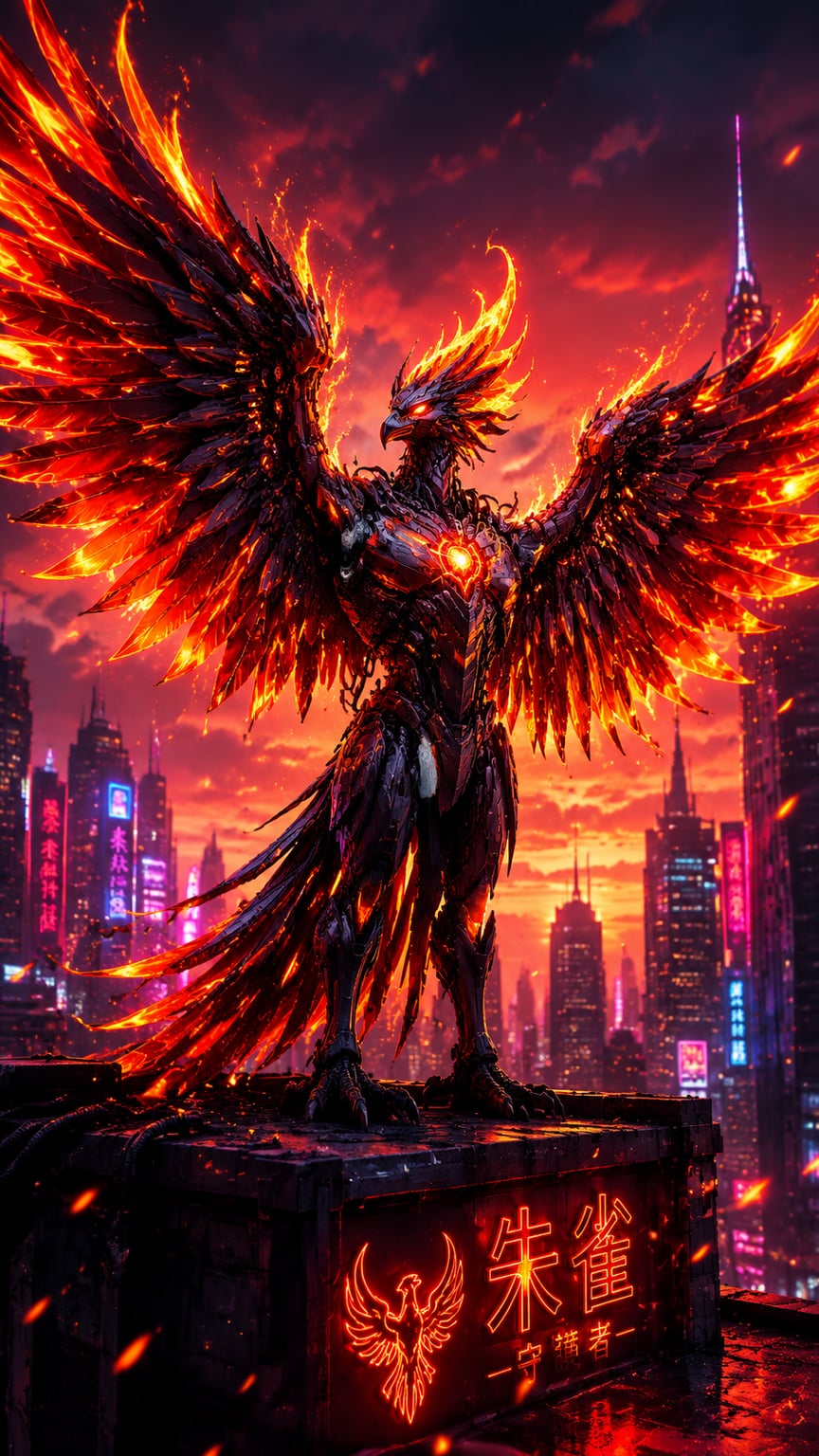
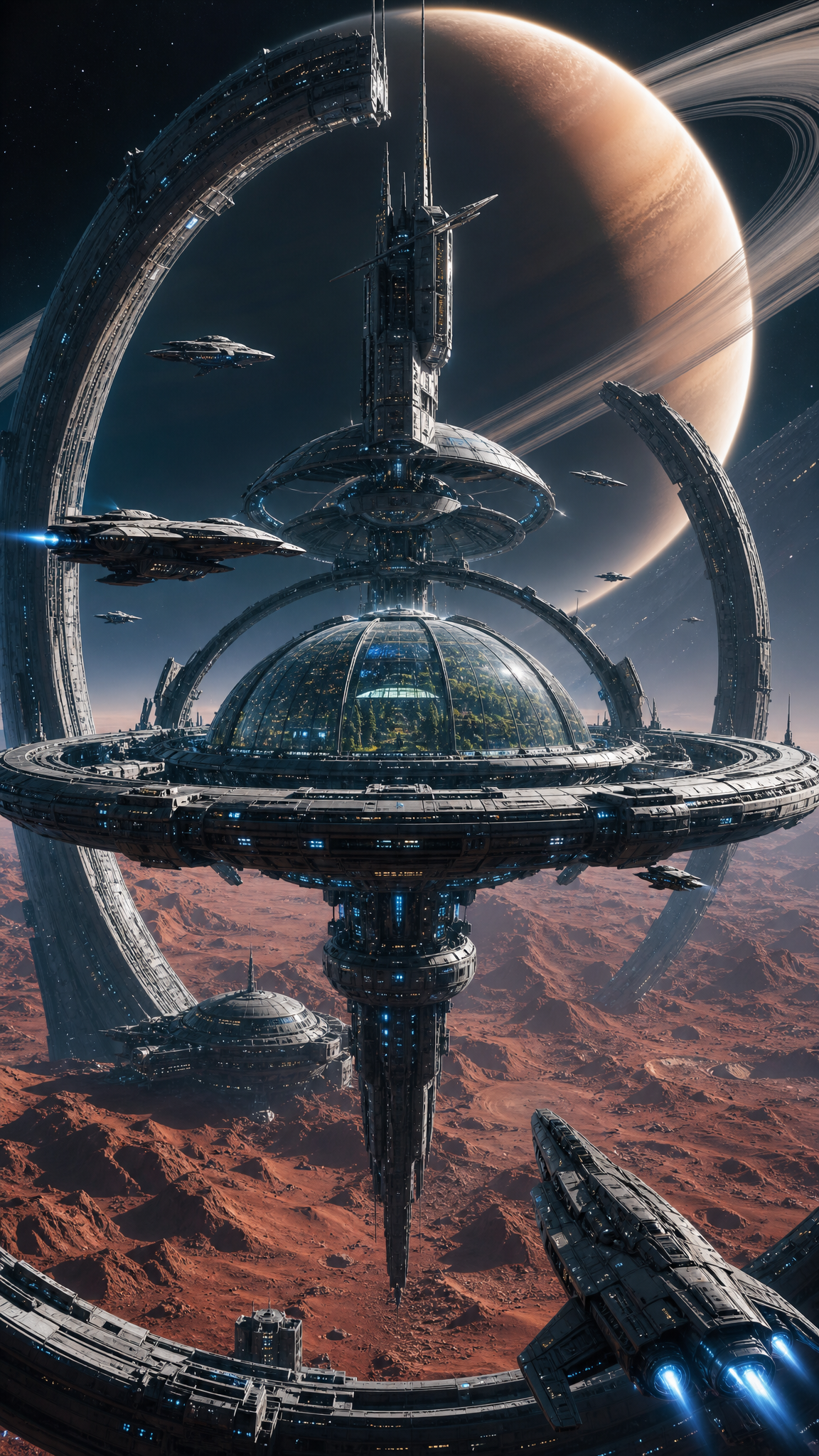
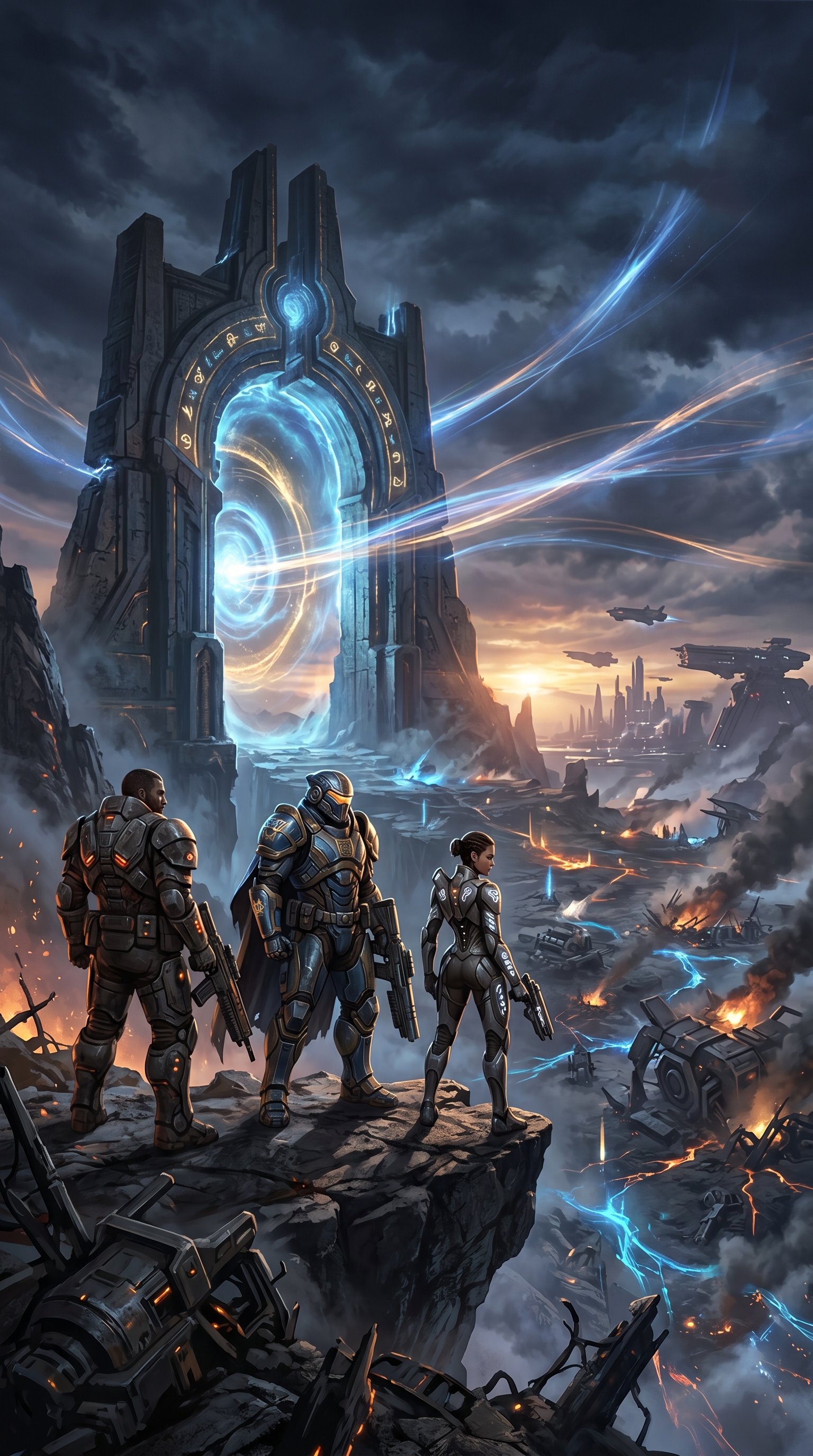
Sci-fi wallpapers turn imagined futures into image systems: starships, mega-cities, alien terrain, cosmic machinery, sleek interfaces, or speculative objects shaped by the question of how science and society might change each other. The category is wide because science fiction is wide, but the strongest sci-fi visuals usually share one trait: they make technology, future life, or other worlds feel thinkable, not just decorative.
Sci-Fiアートについて
The verified evidence supports treating sci-fi as a long-running speculative visual tradition rather than a single screen-era trend. Illustration History traces science-fiction imagery from Jules Verne-era illustration through Hugo Gernsback's 1926 Amazing Stories, later pulp traditions, and the expansion into film concept art. Britannica gives the genre's broader definition in terms of the impact of actual or imagined science on society, which helps explain why sci-fi visuals so often revolve around technology, dystopia, space travel, robots, and future environments. The Encyclopedia of Science Fiction and TheCollector deepen the illustration history, while the Vitra exhibition source and Fast Company show how sci-fi aesthetics feed directly into design, architecture, branding, and object culture. ArtStation's Syd Mead memorial anchors one of the clearest modern visual lineages: polished, concept-driven futures with a distinctive industrial-design logic.
ビジュアルの特徴
- Speculative machines, vehicles, cities, suits, or interfaces
- Strong worldbuilding signals that imply a larger system beyond the frame
- Light sources and materials that suggest advanced technology or alien environments
- Future-oriented silhouettes rather than ordinary contemporary objects
- Scale contrasts between people and vast environments or hardware
- Themes of exploration, dystopia, utopia, survival, or technological transformation
- Color systems that range from cold steel and deep space blue to saturated warning light or optimistic bright futurism
- A design logic that makes the imagined world feel coherent
活用例
Desktop wallpapers built around spaceships, space stations, or megacity skylines
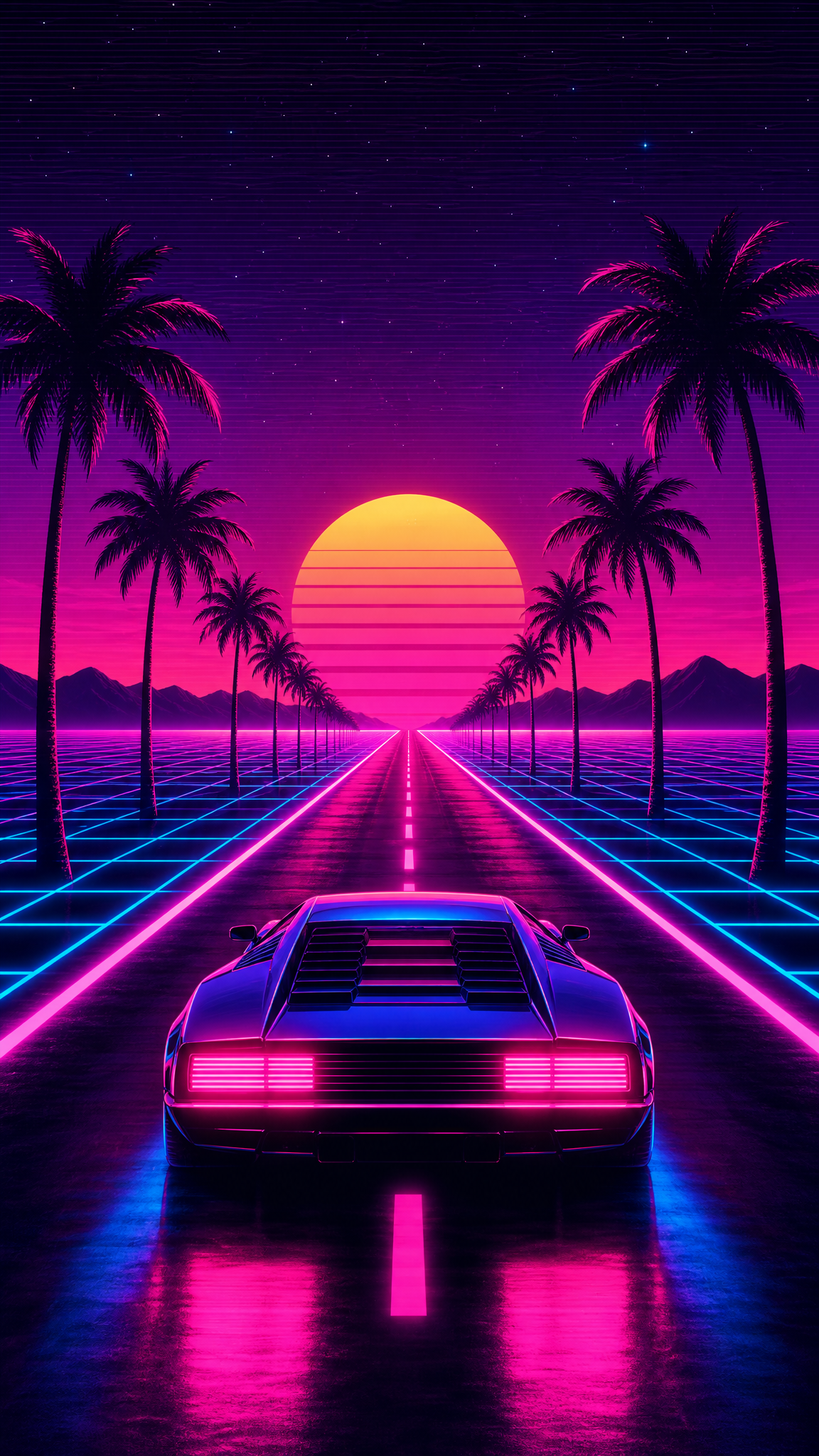
Phone wallpapers using one iconic future object, helmet, craft, or portal
Tech-forward backgrounds for users who want imaginative rather than realistic imagery
Gaming and streaming setups that benefit from strong worldbuilding atmosphere
Wallpaper series centered on dystopian, optimistic, cosmic, or retro-future branches of sci-fi
類似スタイル
異なる点
プロンプトガイド
プロンプトの方向性
- State the sci-fi branch first: spaceship hangar, alien desert, orbital city, biotech lab, retro future control room, optimistic future transit hub
- Define the technology or world logic, not just the surface look
- Use materials, light, and scale cues such as brushed metal, holographic interface, vacuum-lit rim light, giant structure, or distant planet
- If you want cleaner results, choose one central speculative object or environment instead of many competing ideas
- If the image feels generic, add era or lineage cues like Syd Mead optimism, pulp magazine drama, or grounded hard-science atmosphere
ヒント
- Internal editorial suggestion: pick one sci-fi branch early, because pulp, hard sci-fi, retro future, and dystopian megacity need different visual logic.
- Internal editorial suggestion: one strong object silhouette often outperforms cluttered control-room detail on phone screens.
- Internal editorial suggestion: cross-link with `cyberpunk`, `space`, and `retro-futurism` helps users navigate subfamilies inside the broader sci-fi field.
- Internal editorial suggestion: optimistic bright futurism and dark dystopian futurism should be treated as separate wallpaper intents.
おすすめキーワード
避けること
よくある失敗
- The wallpaper piles on glowing gadgets but never establishes a coherent future world
- Everything is dark and metallic, so the scene loses distinction from generic tech art
- The image becomes fantasy with chrome instead of actual science-fiction speculation
- Scale is unclear, which weakens the sense of awe or technological presence