#Cinematic
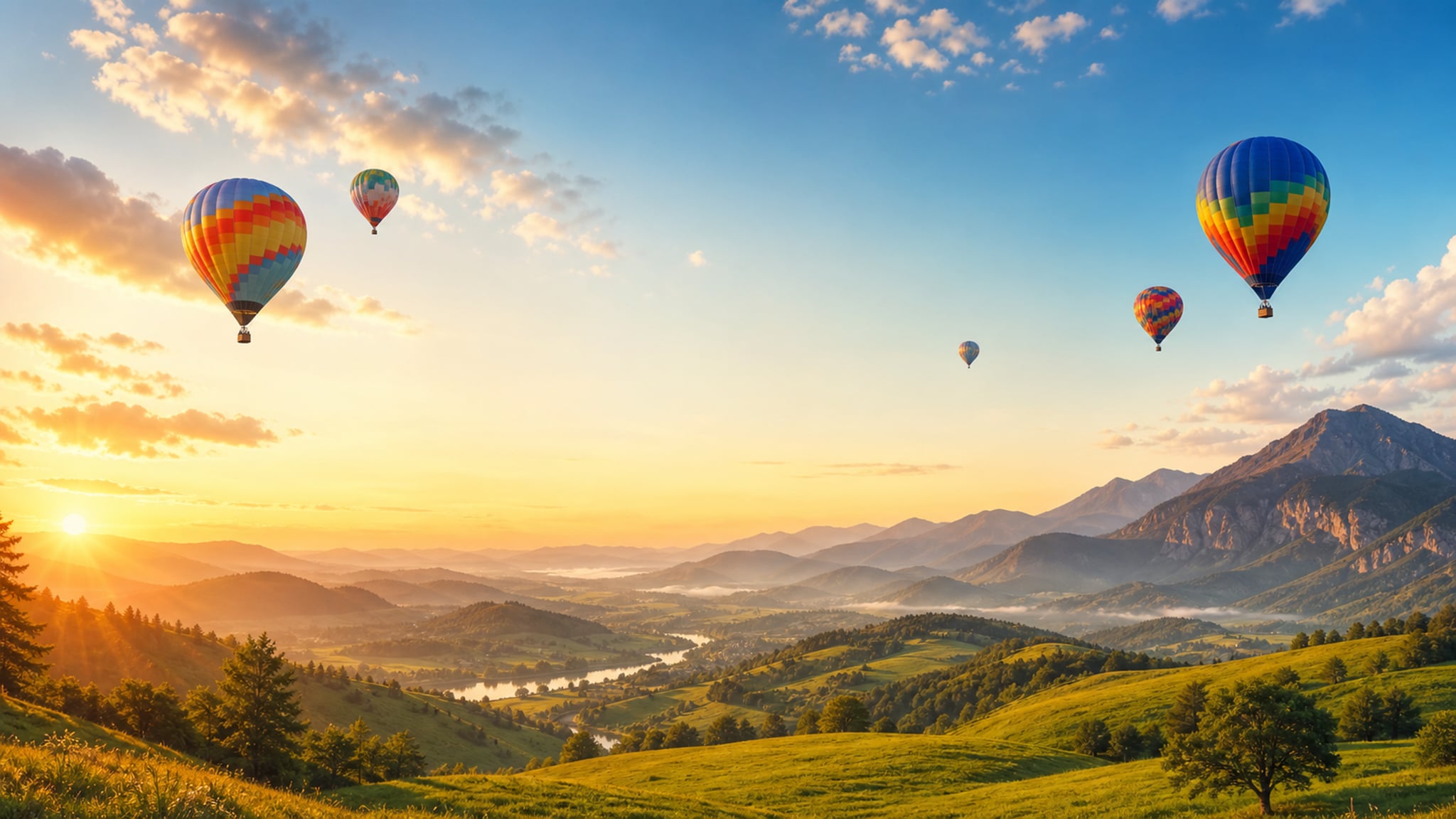
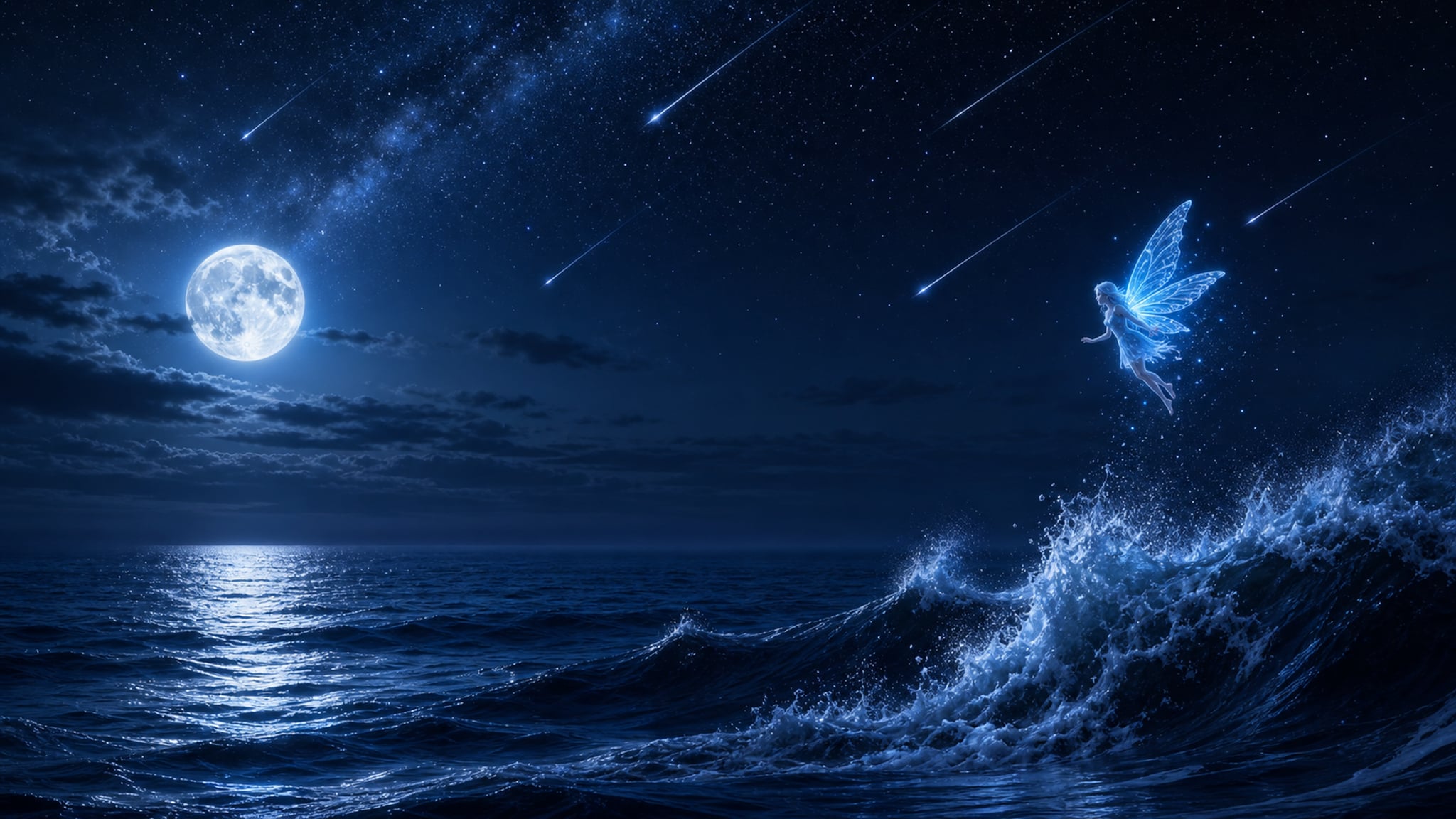
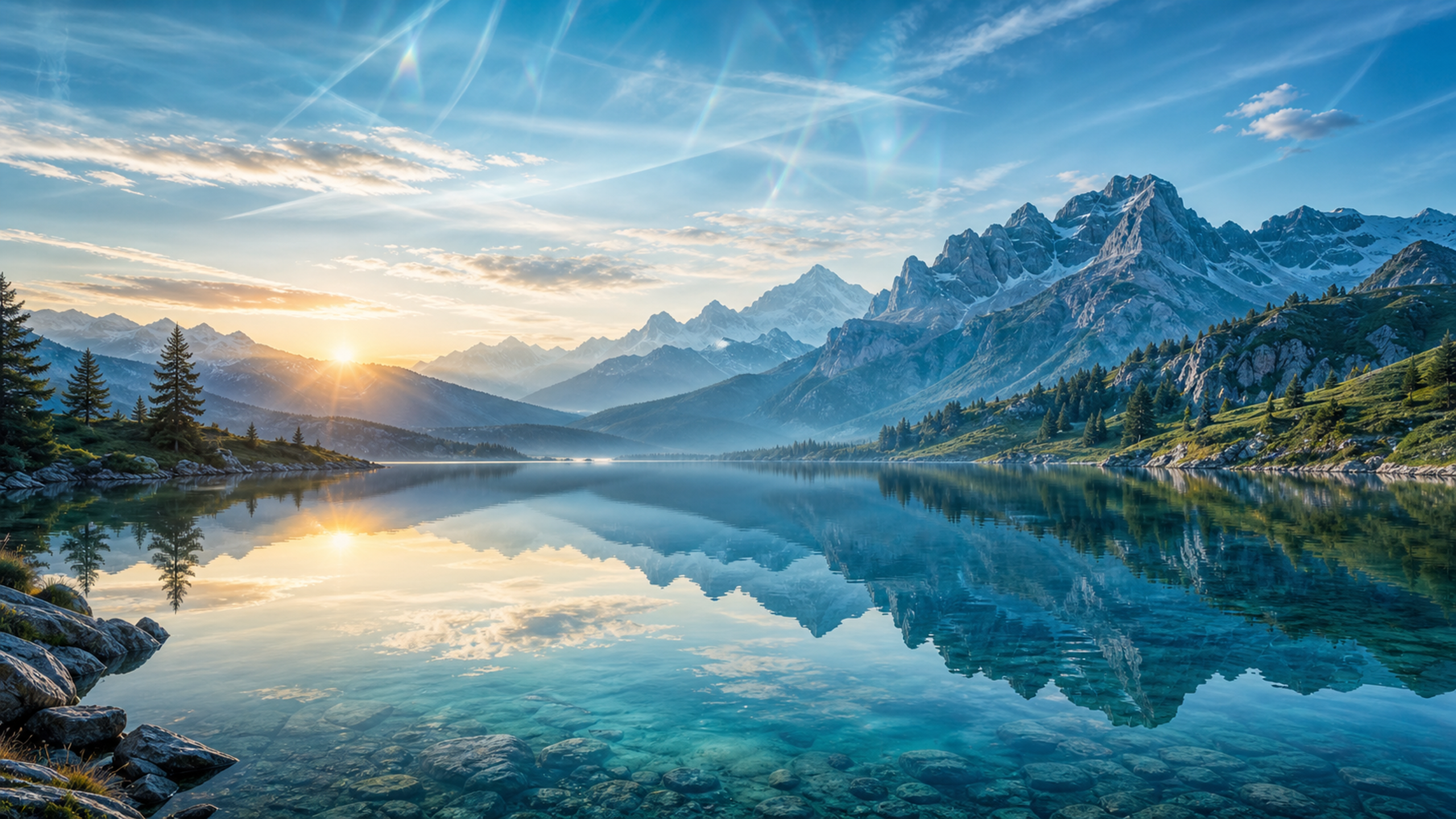
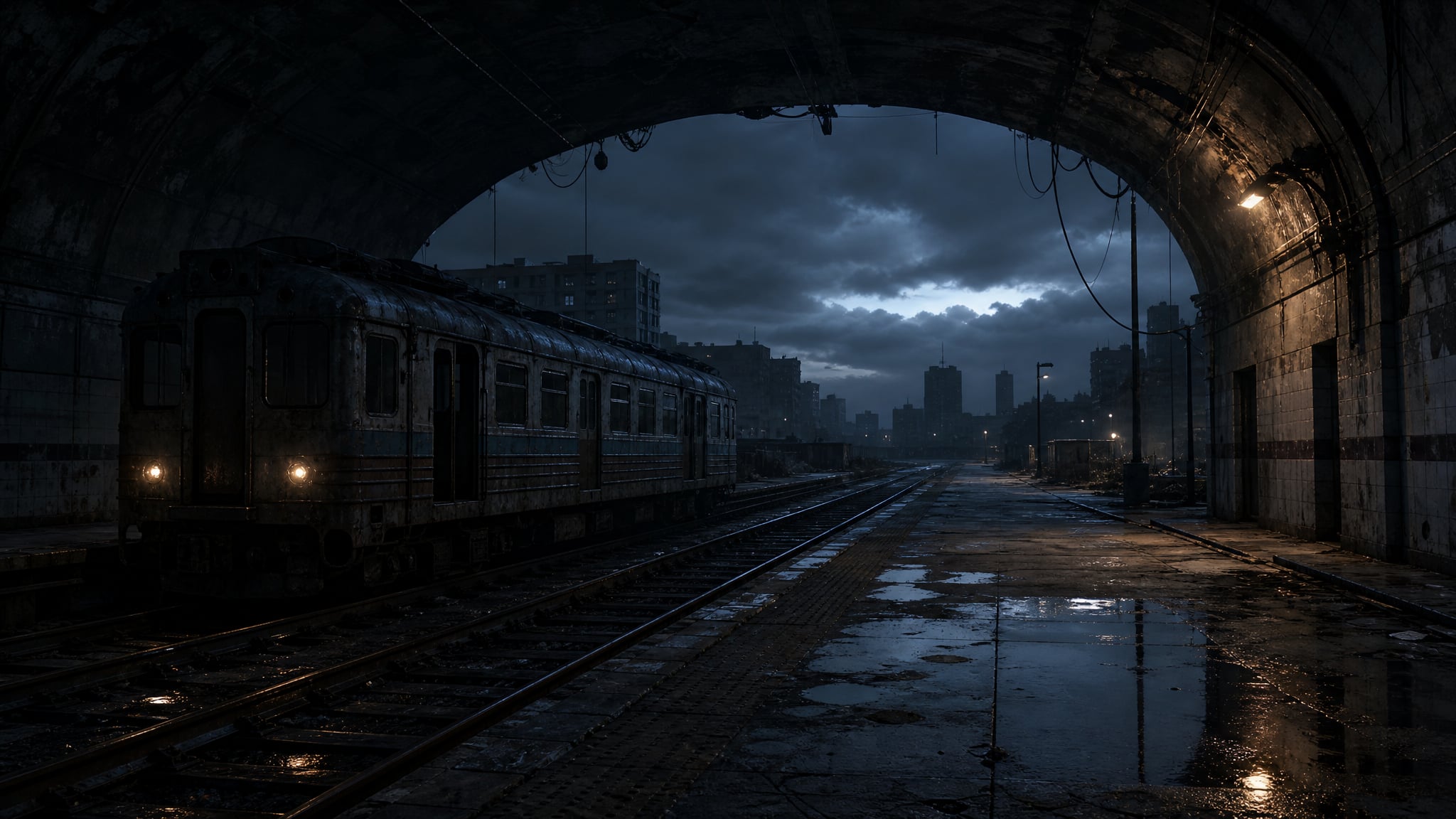
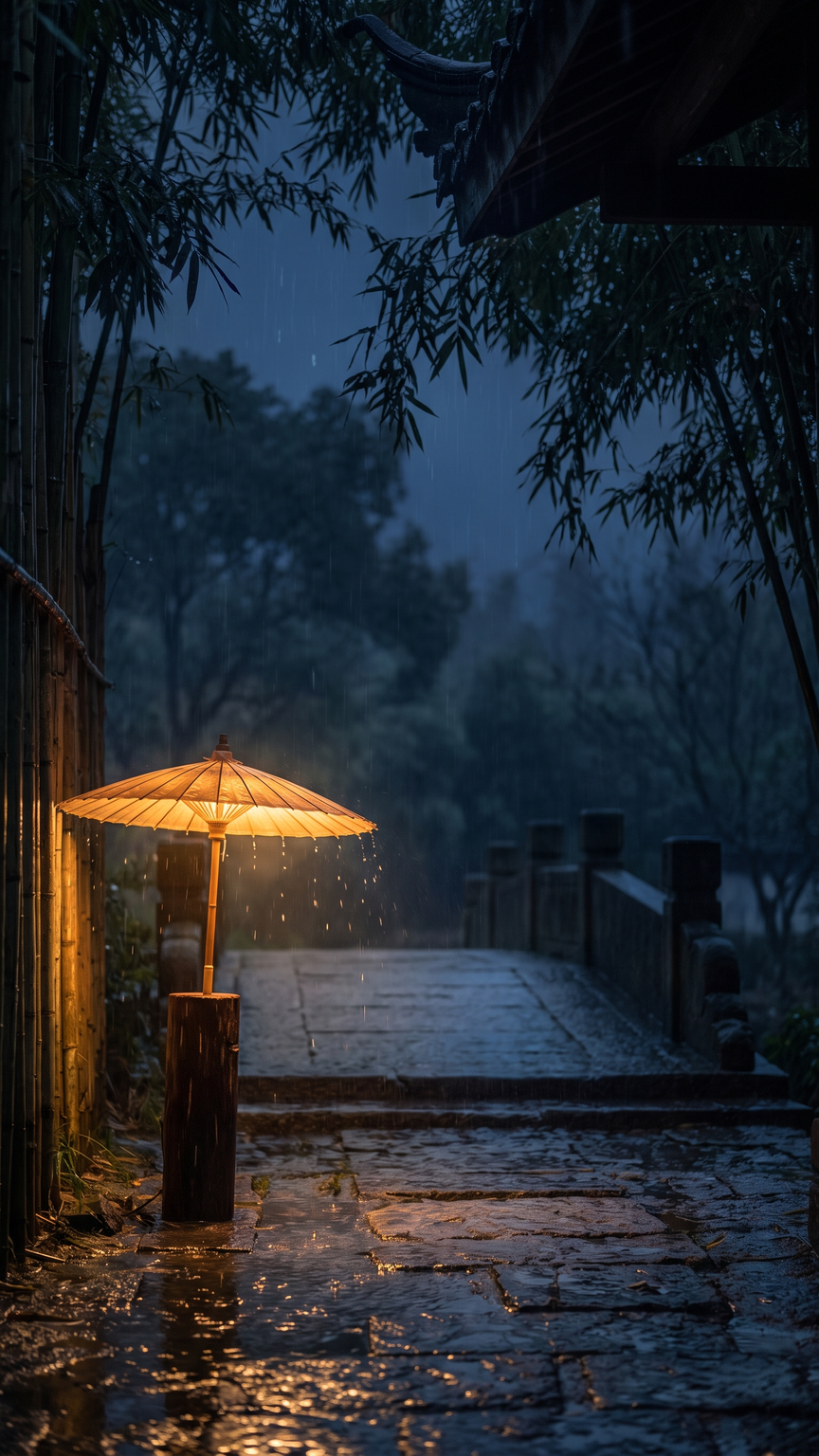
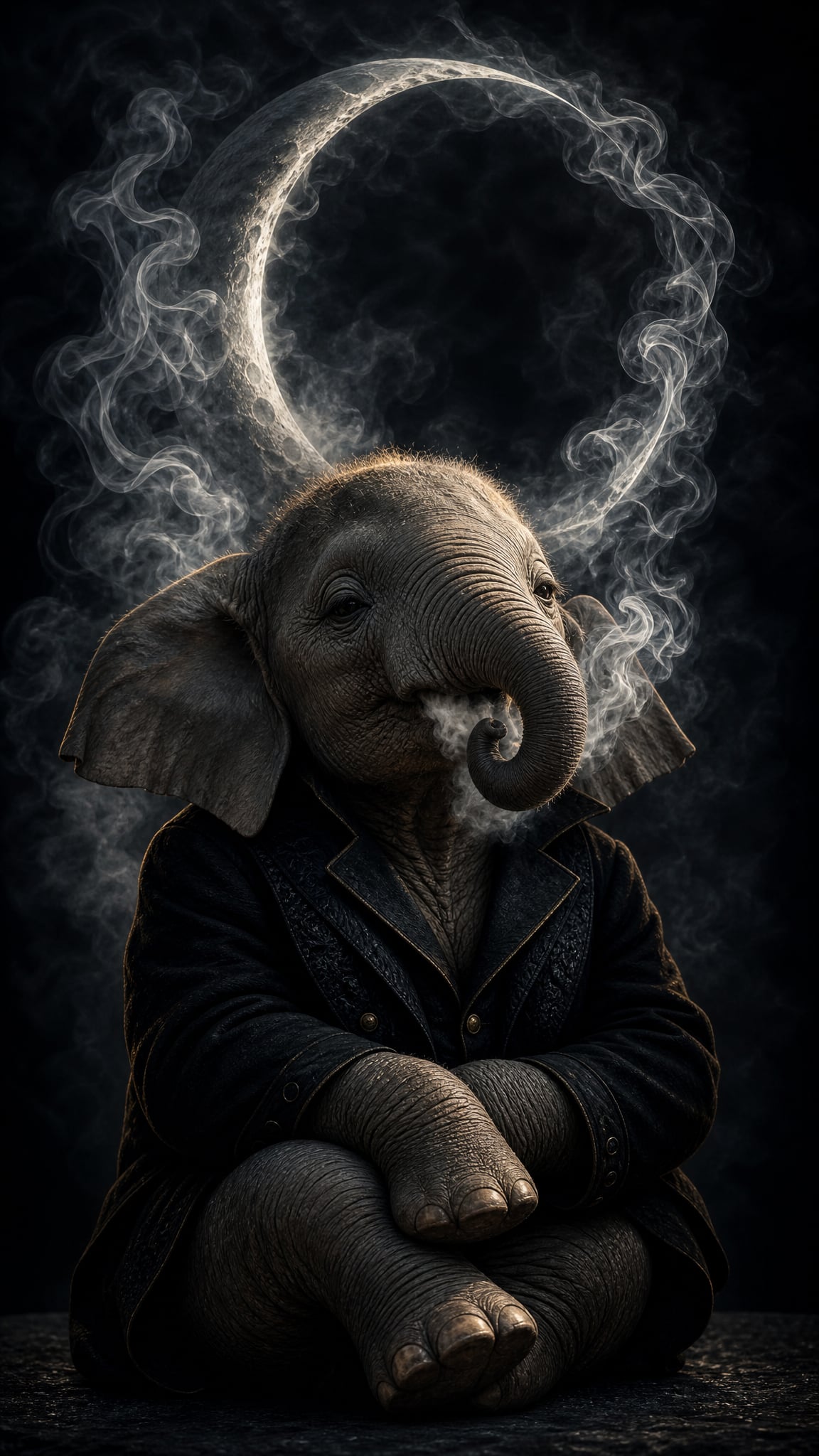
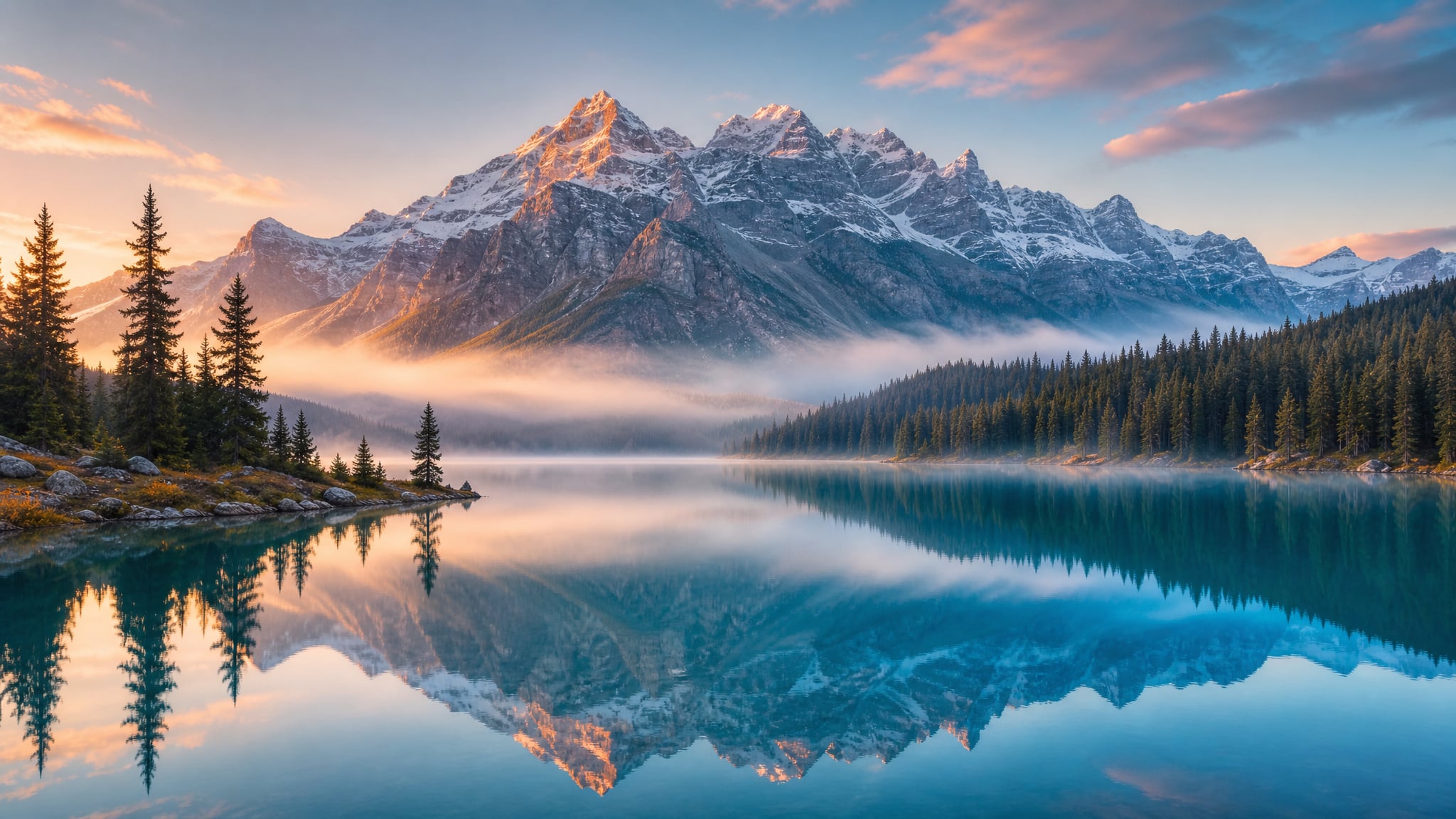
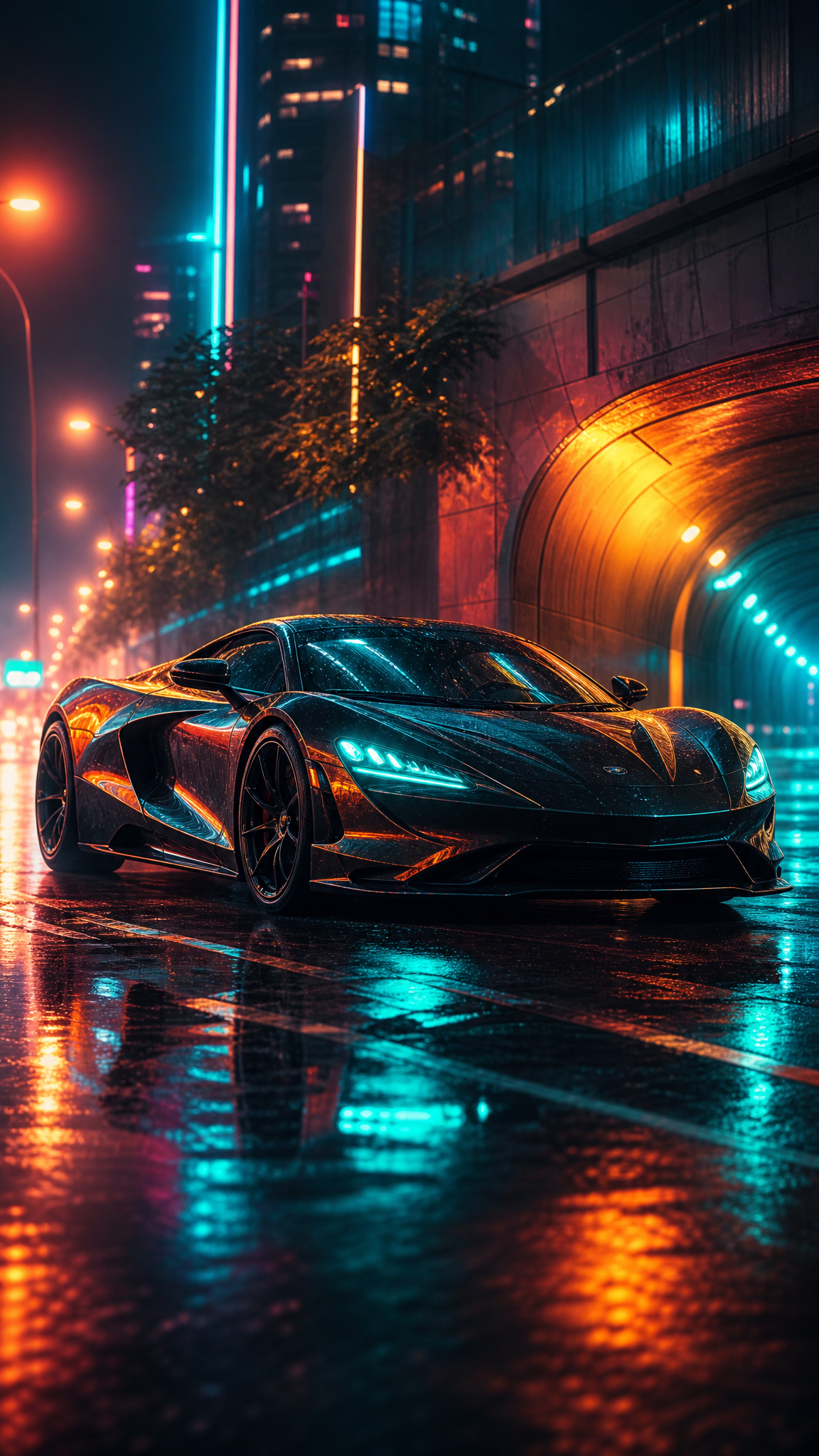
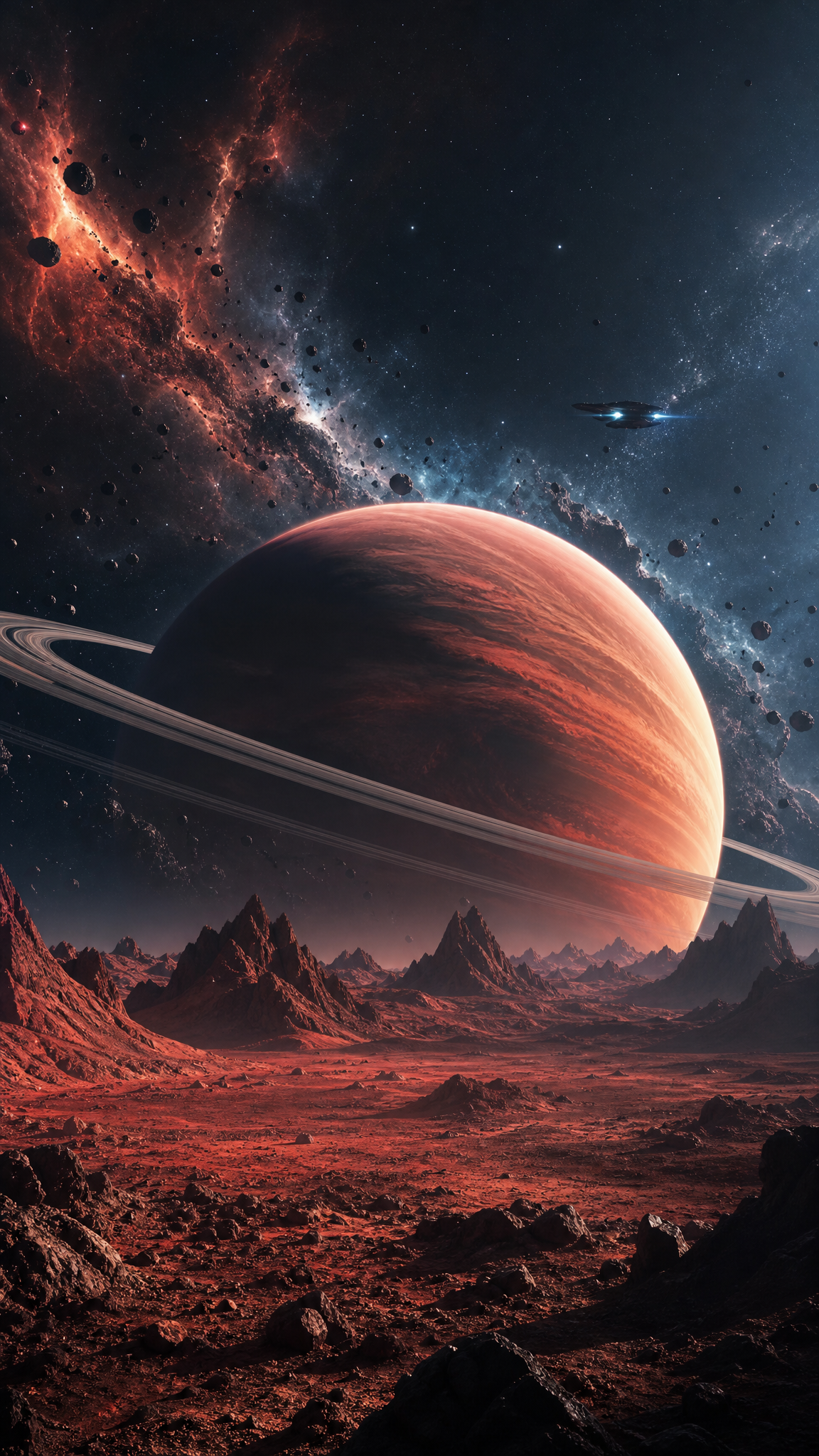
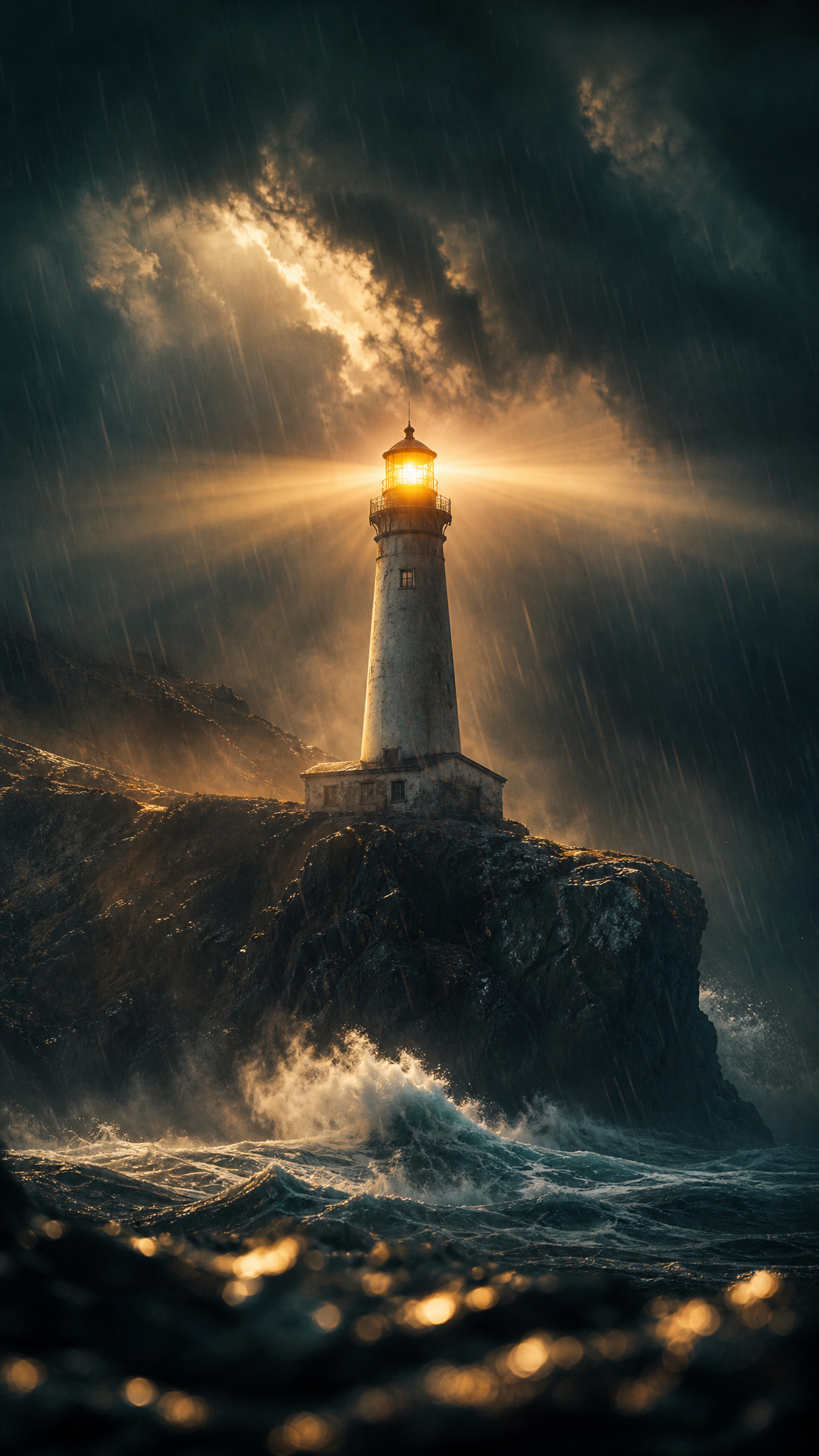
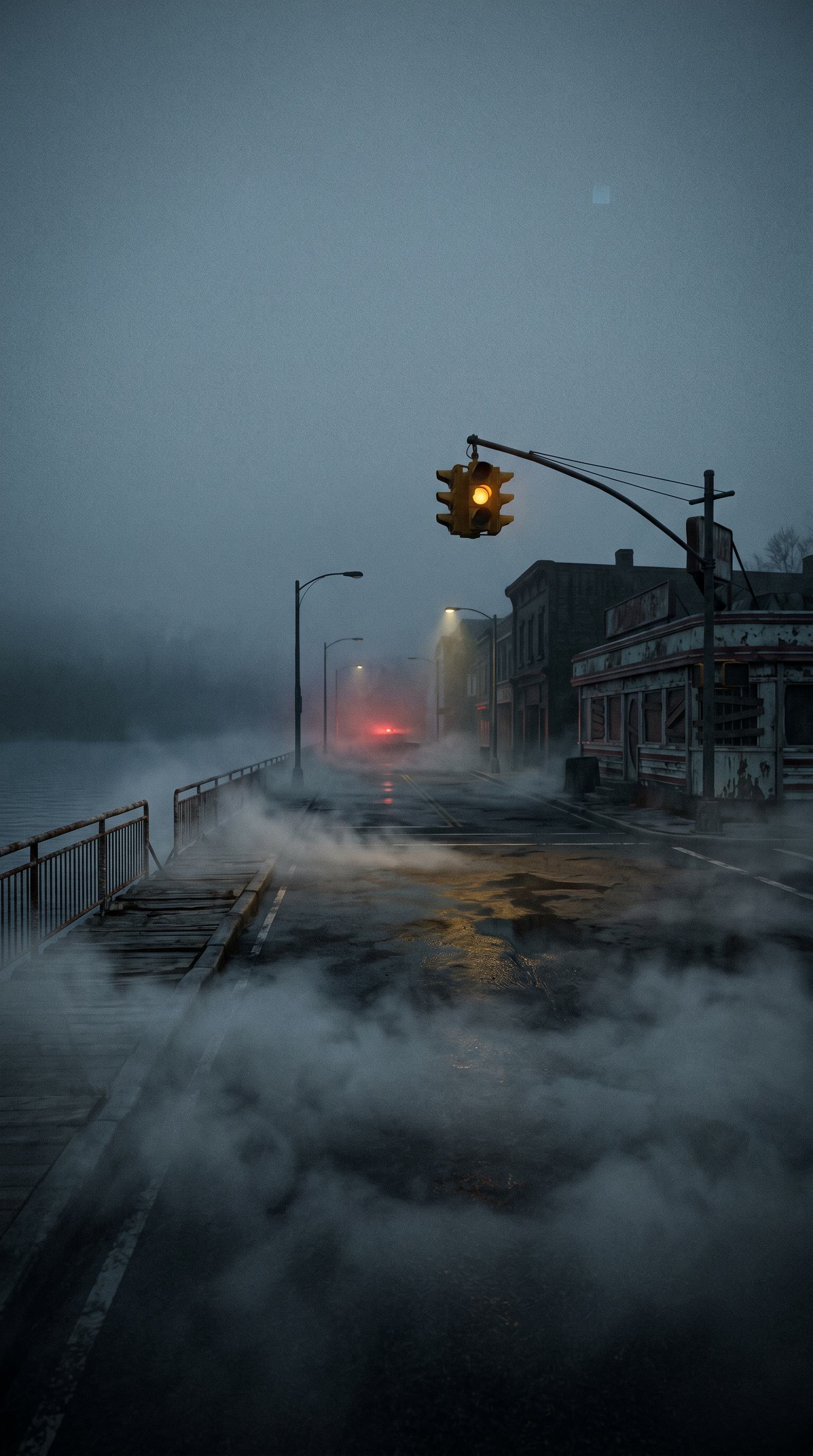
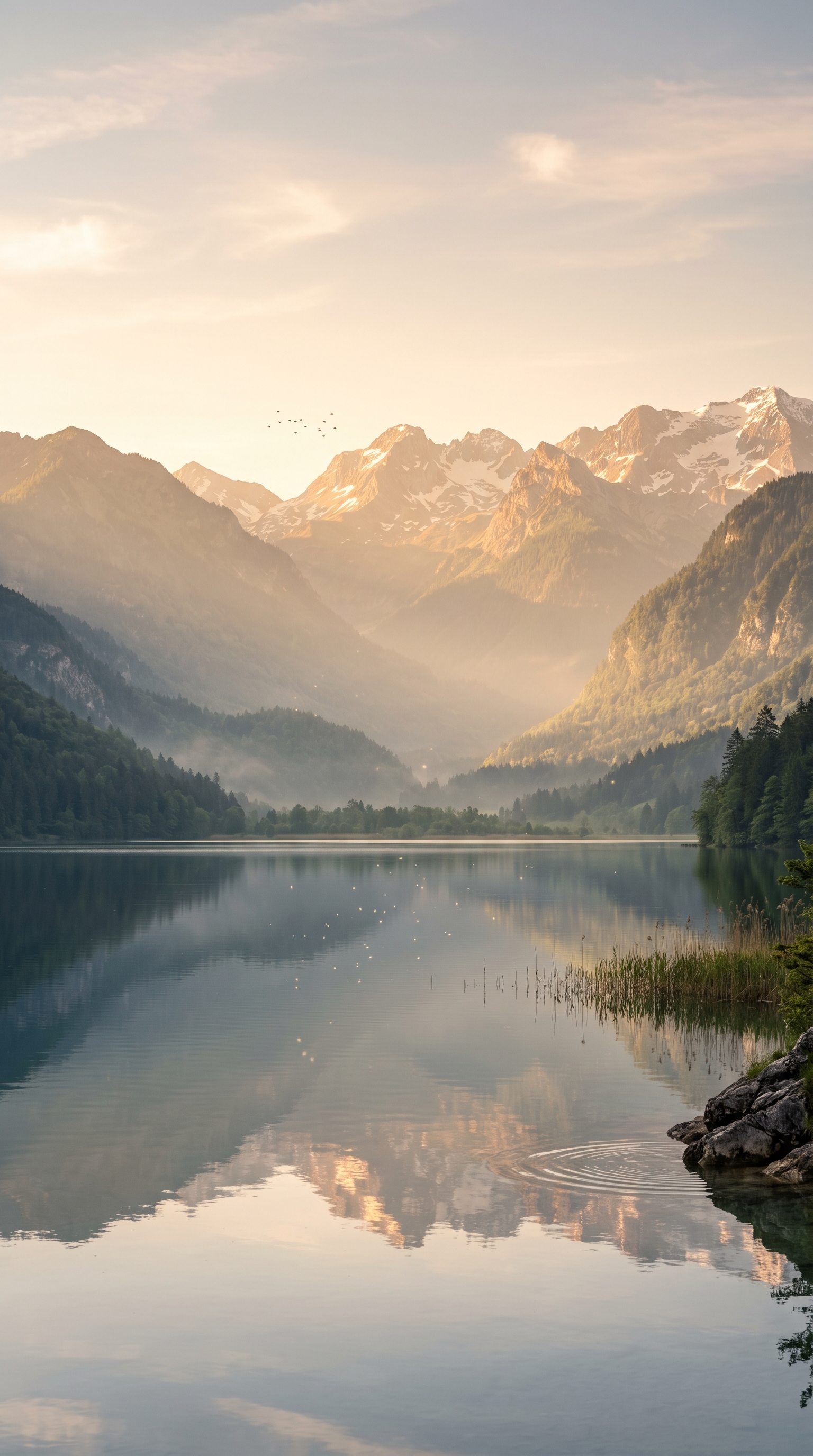
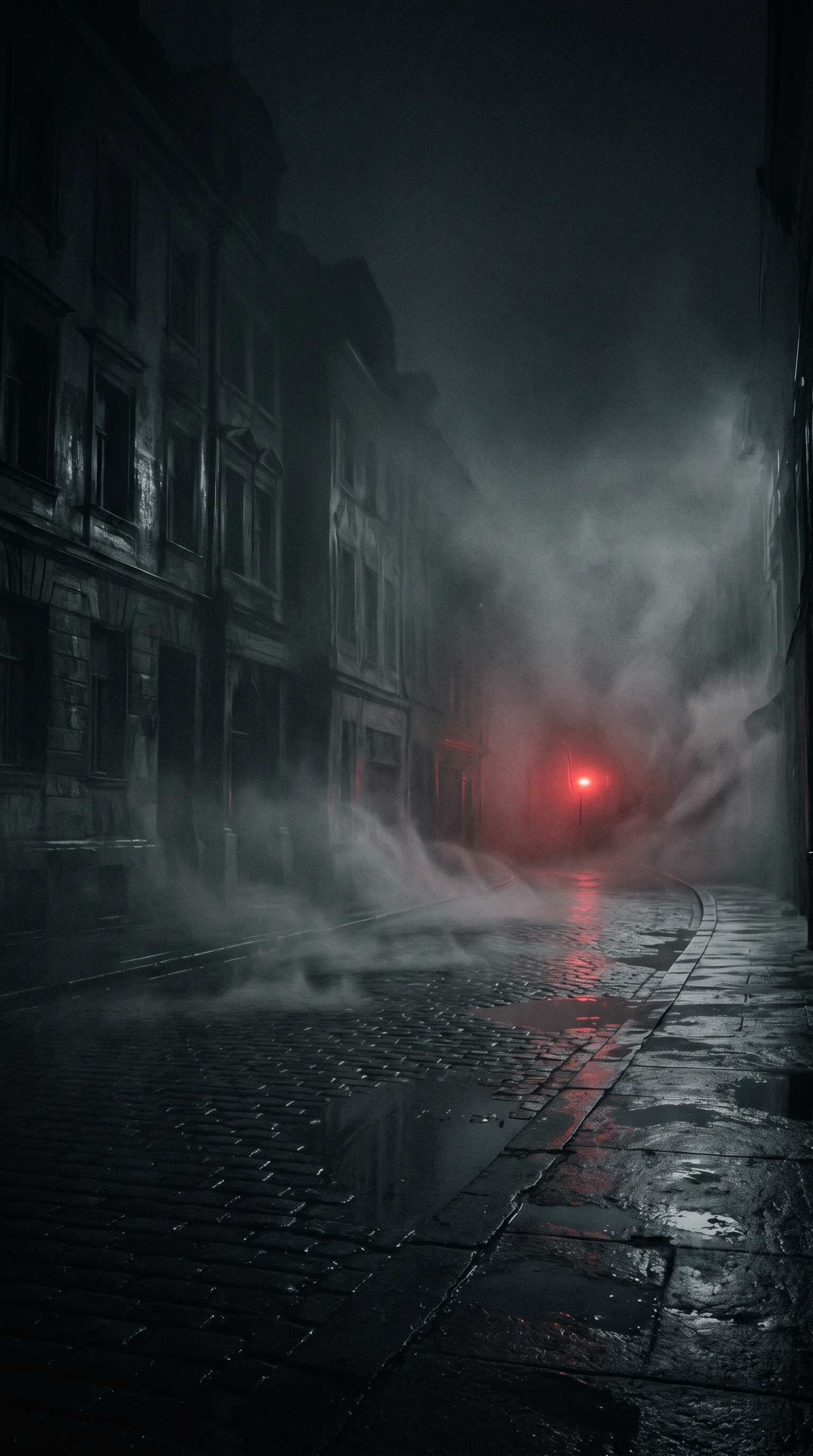
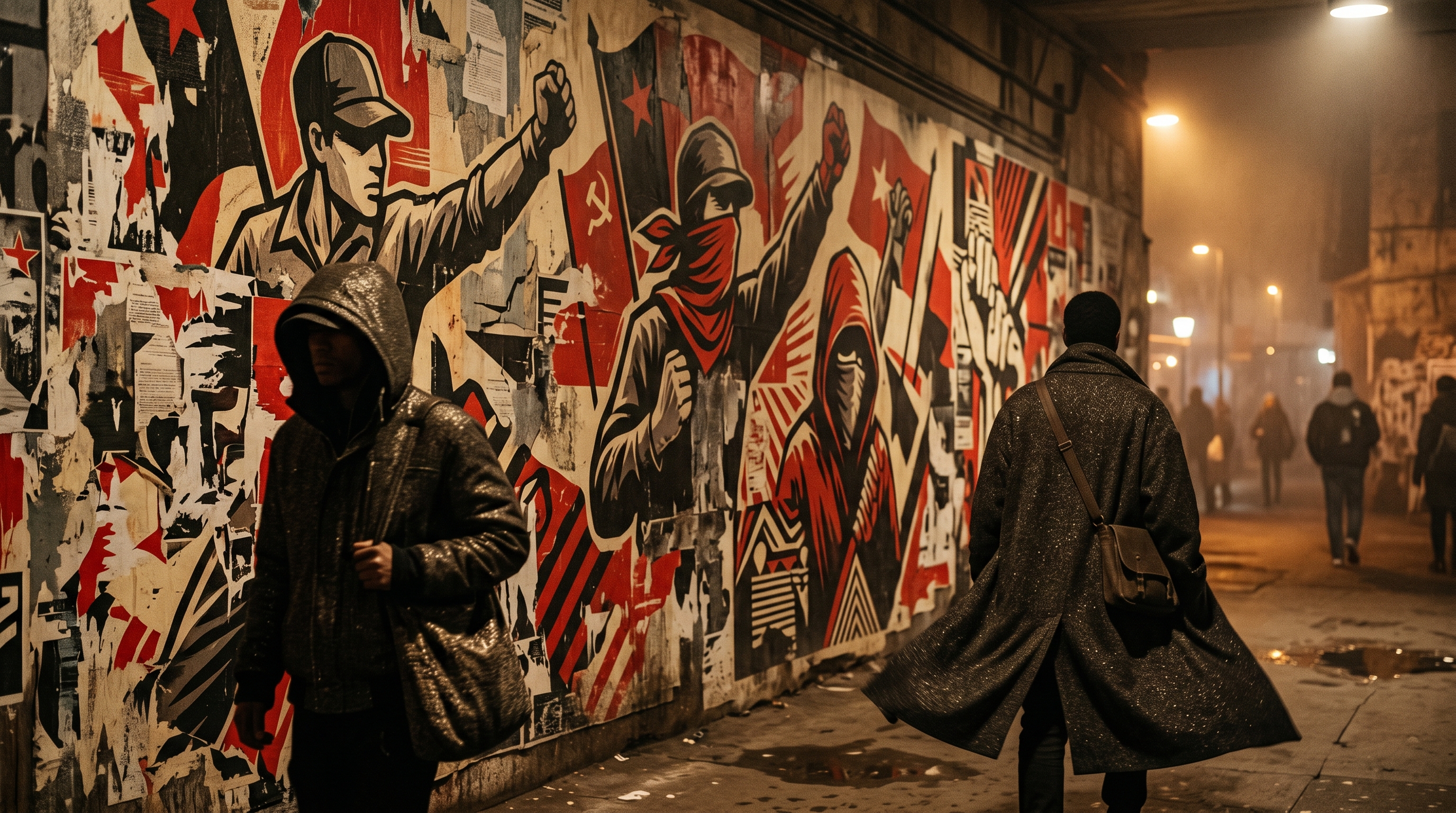
Cinematic style borrows the visual language of film to create wallpapers that feel like a frozen frame from a movie. It relies on dramatic lighting contrasts, shallow depth of field, deliberate color grading, and compositional framing techniques such as leading lines and the rule of thirds. The result is an image with atmosphere, narrative tension, and a sense of scale that flat graphic styles cannot replicate. Cinematic wallpapers work especially well on widescreen and ultrawide displays where the elongated aspect ratio reinforces the film-frame feeling.
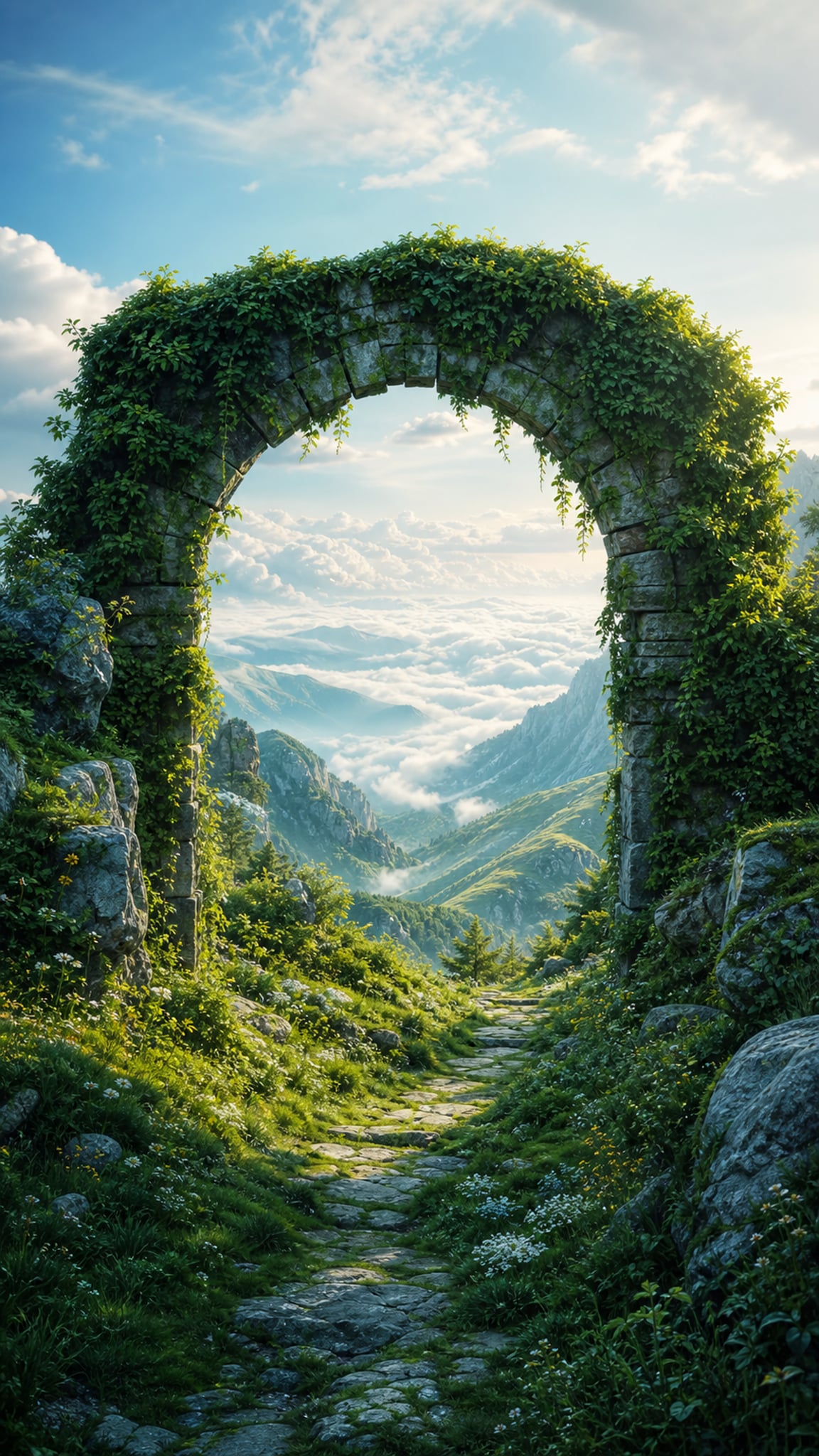
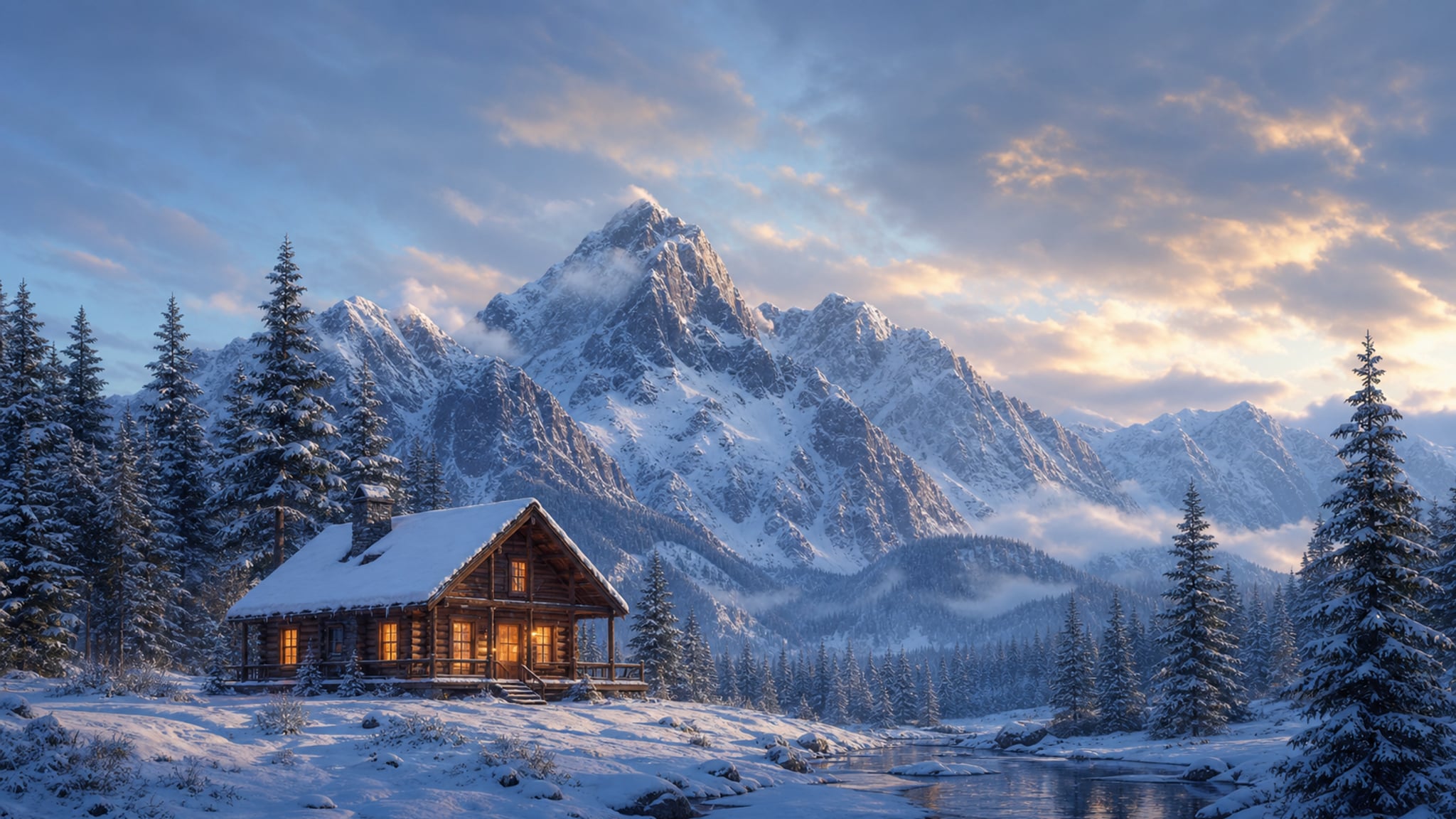
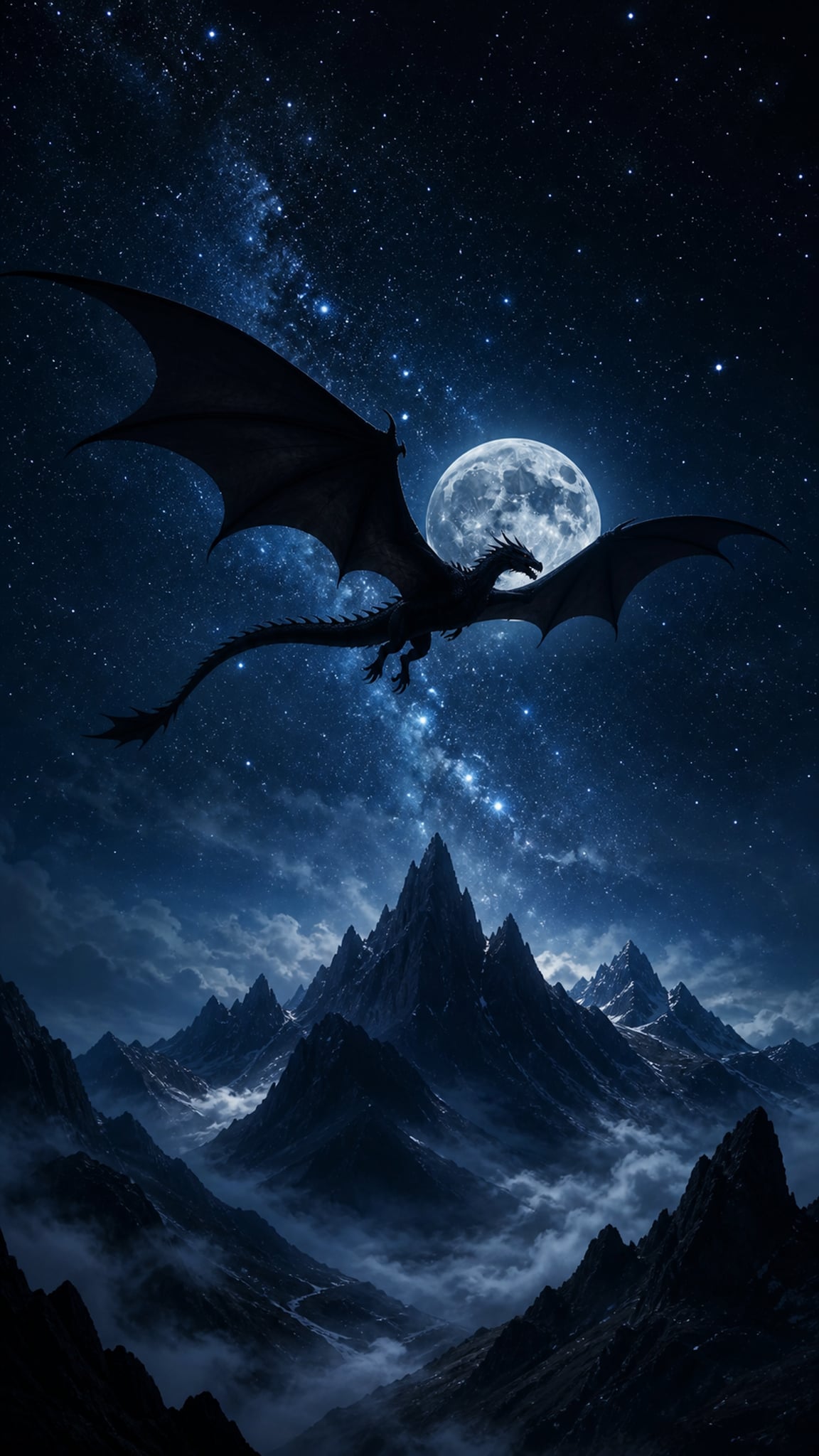
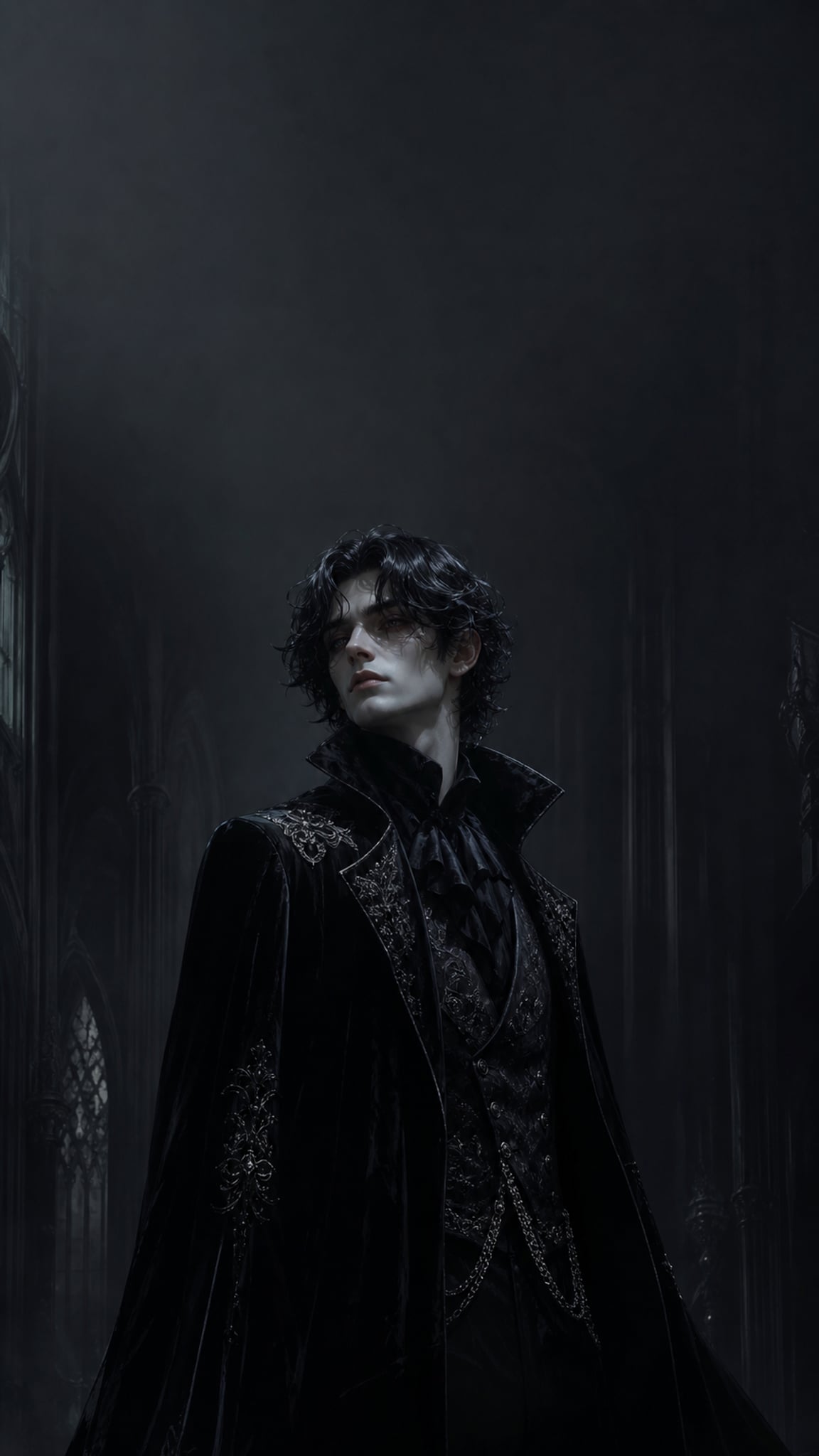
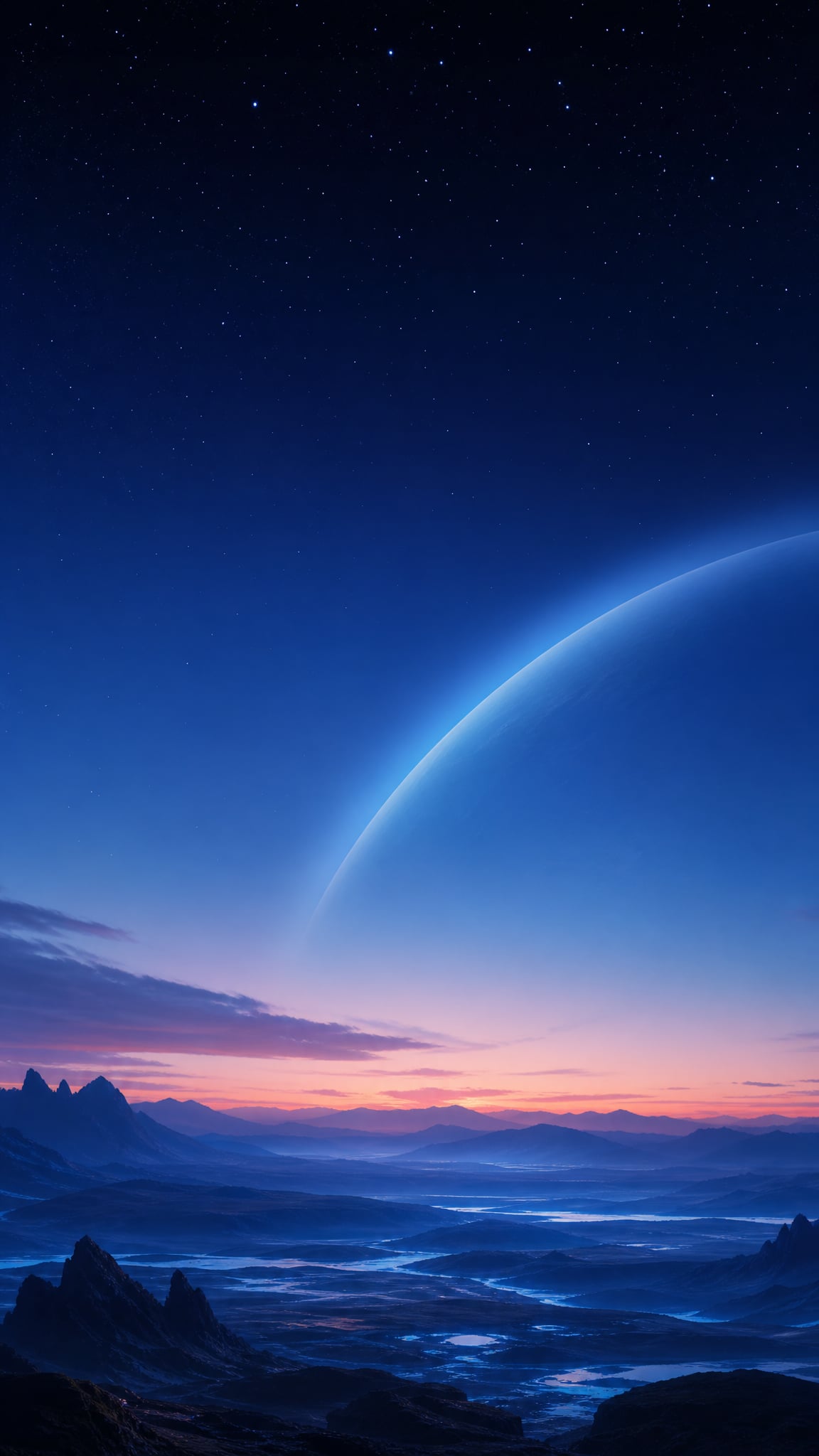


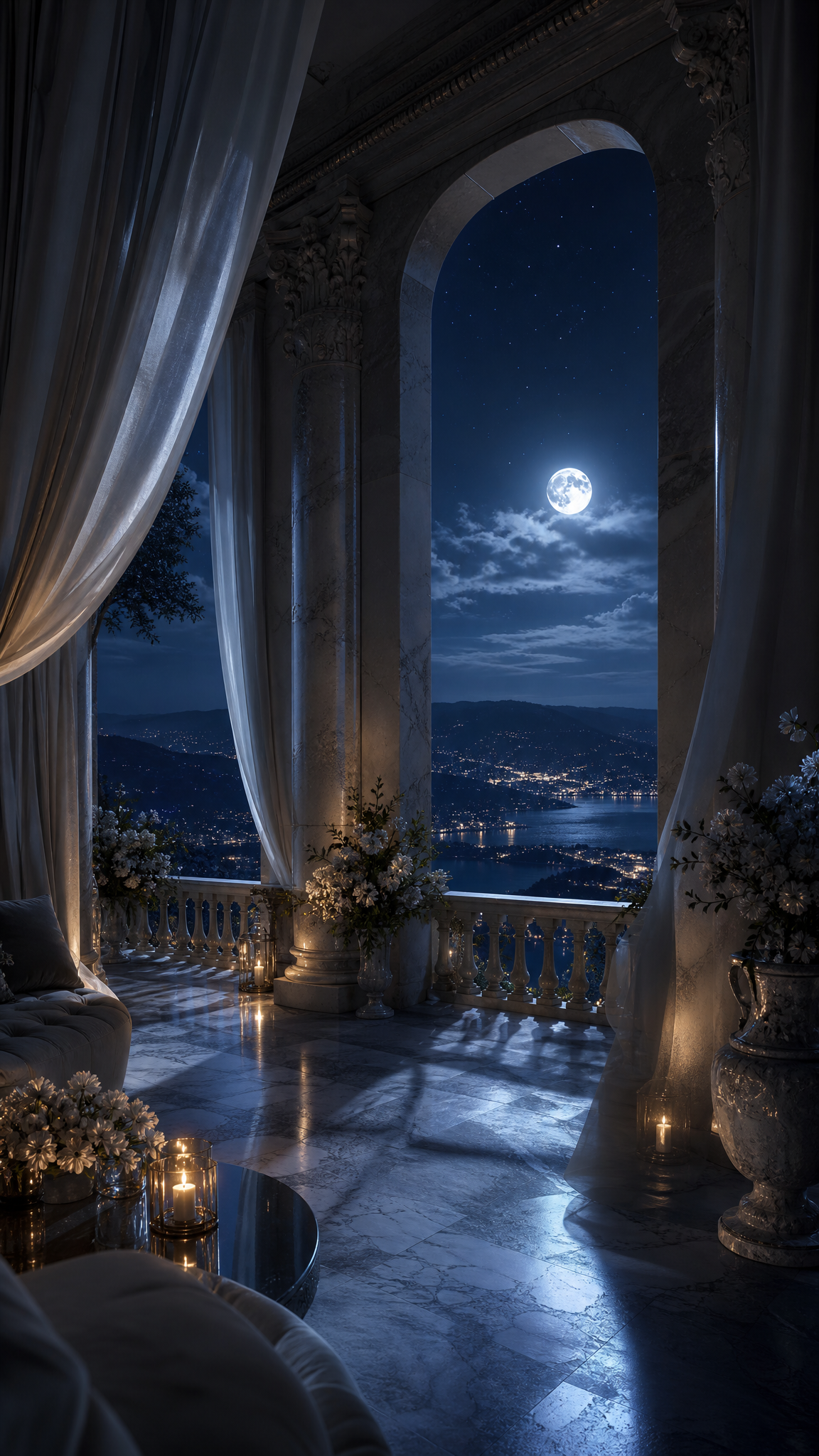
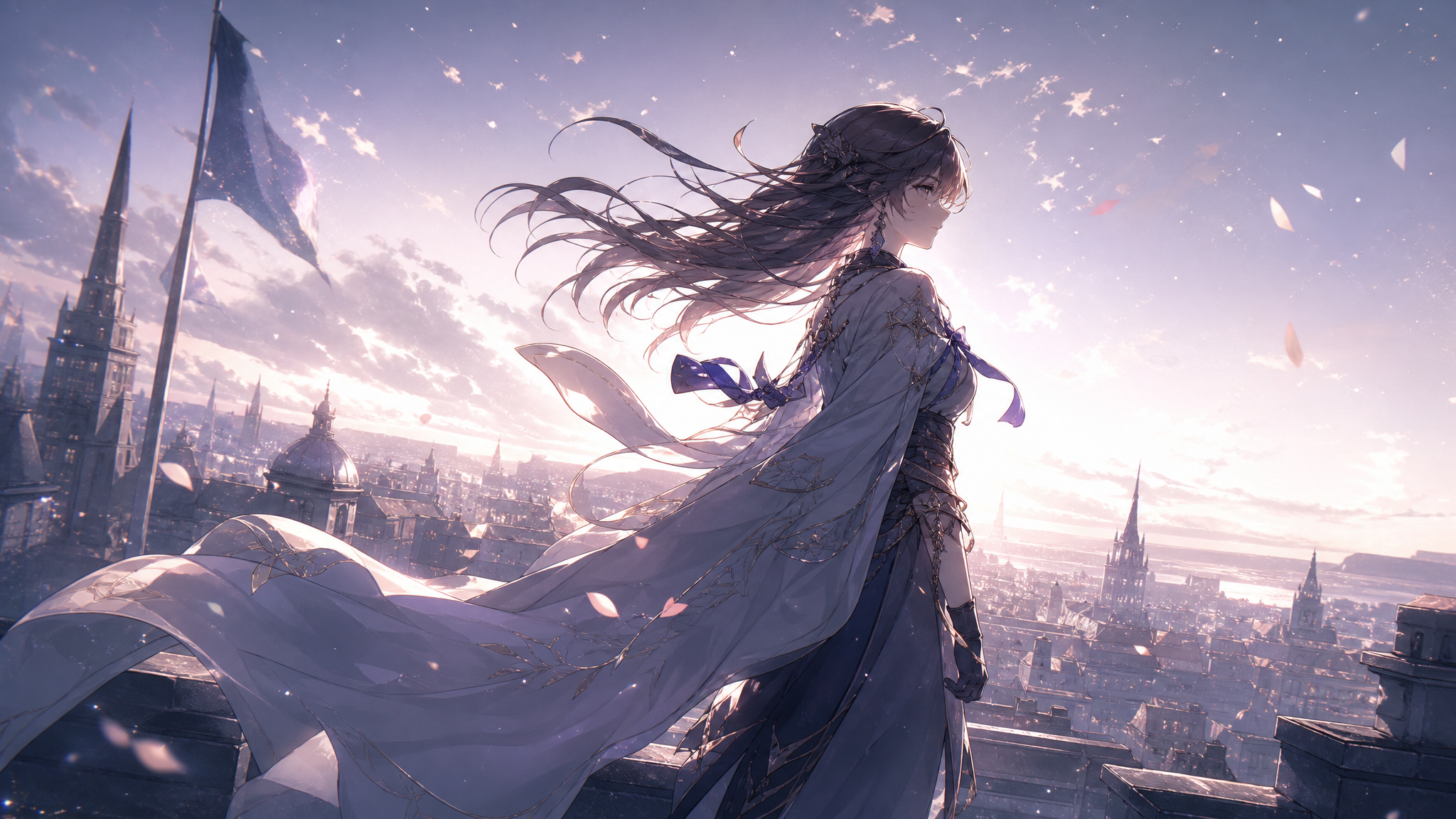
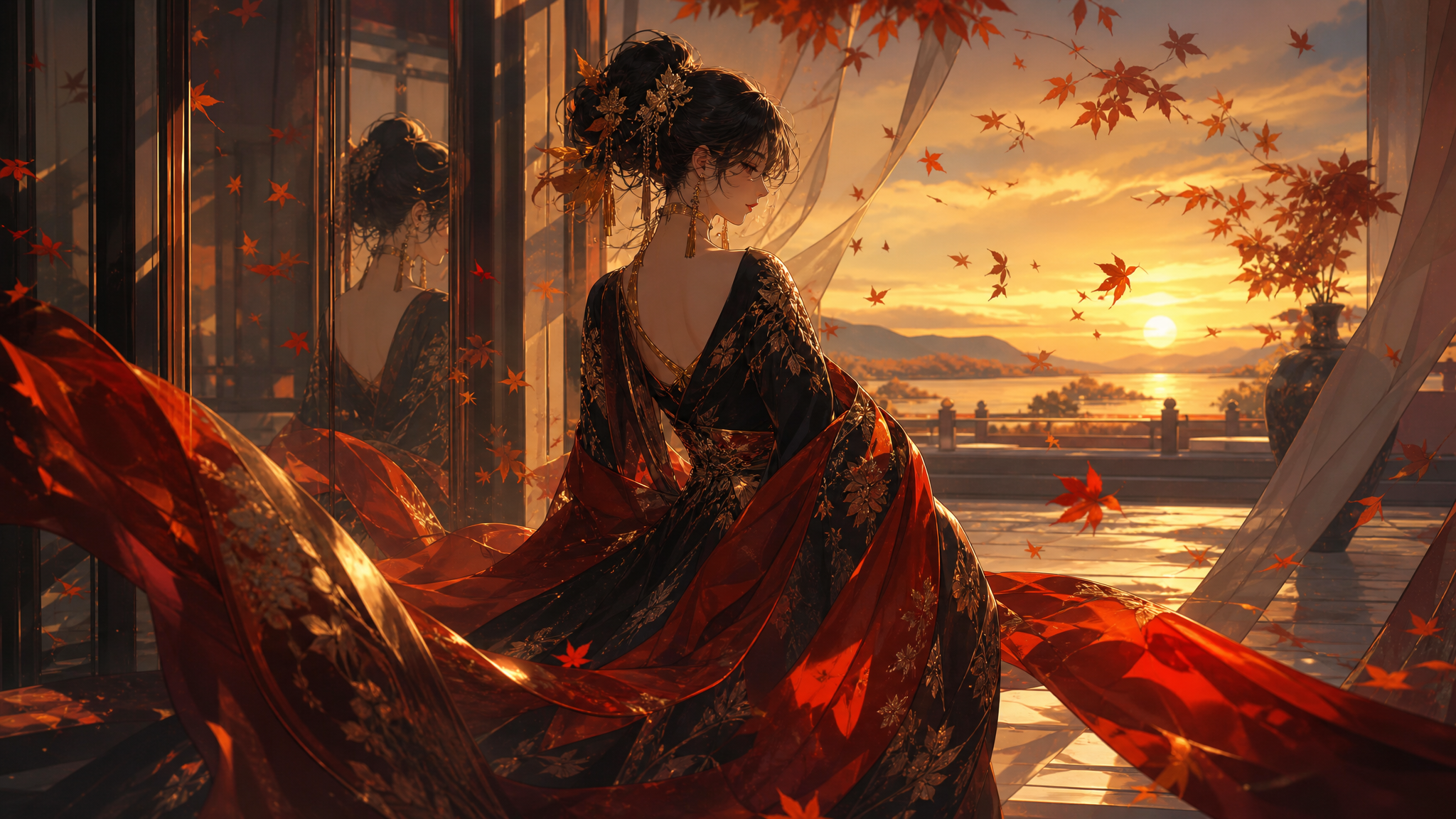
Cinematicアートについて
The cinematic visual language developed with motion-picture photography itself. Britannica defines cinematography as the art and technology of motion-picture photography, covering composition, lighting, lenses, camera movement, and special effects. Early films were often shot with static frontal setups, but by the 20th century cinematographers were using close-ups, moving vehicles, and backlighting to separate cinema from theatrical staging. Over time, widescreen presentation, controlled depth of field, and dramatic lighting became core markers of the look. StudioBinder's anamorphic-lens overview explains how anamorphic glass squeezes a wider field of view onto film or a sensor, helping create widescreen imagery along with signature artifacts like horizontal flares and oval bokeh. Adobe's retrospective on SpeedGrade describes how software-based color grading moved from an expensive specialist workflow into a broadly accessible creative tool, which is one reason cinematic aesthetics now circulate widely in photography, digital art, and wallpaper design.
ビジュアルの特徴
- Dramatic lighting with strong contrast between highlights and deep shadows, often using motivated light sources
- Shallow depth of field with sharp foreground subjects and softly blurred backgrounds (bokeh)
- Widescreen or ultra-wide aspect ratios (2.39:1, 2.76:1, or 21:9) that evoke theatrical projection
- Deliberate color grading with teal-and-orange, cool blue, warm amber, or desaturated palettes
- Atmospheric haze, fog, volumetric light rays, or particle effects that add depth layers
- Compositional framing using leading lines, rule of thirds, foreground framing elements, or negative space
- High dynamic range between lit and unlit areas, with rich mid-tone detail
- Anamorphic visual artifacts: horizontal lens flares, oval-shaped bokeh, edge distortion
- Layered depth with distinct foreground, midground, and background planes
- Cinematic grain or subtle film texture that reinforces the analog-film association
- Muted or selectively saturated color rather than uniformly vivid palettes
活用例
Ultrawide monitor wallpapers (21:9 or 32:9) where the widescreen ratio directly mirrors a film frame
Desktop wallpapers that benefit from atmospheric depth behind application windows and icons
Phone lock screens using shallow depth-of-field compositions with a strong central subject
Dual-monitor setups where a panoramic cinematic landscape spans both screens seamlessly
Dark-mode environments where dramatic low-key lighting complements dark UI themes
Home theater or media center screens where a cinematic still reinforces the entertainment setting
類似スタイル
異なる点
プロンプトガイド
プロンプトの方向性
- Lead with the scene and mood before the subject: 'cinematic wide shot of a foggy city at dusk' rather than just 'city wallpaper'
- Specify the lighting setup: 'dramatic side lighting,' 'backlit silhouette,' 'golden hour rim light,' or 'low-key chiaroscuro'
- Name the color grade: 'teal and orange color grading,' 'cool desaturated blue tones,' or 'warm amber cinematic palette'
- Request depth explicitly: 'shallow depth of field,' 'bokeh background,' 'atmospheric fog layers,' or 'foreground-midground-background separation'
- Declare the aspect ratio: '21:9 ultrawide,' '2.39:1 anamorphic widescreen,' or '16:9 cinematic composition'
- Add film-texture cues when appropriate: 'subtle film grain,' 'anamorphic lens flare,' or 'volumetric light rays'
ヒント
- Internal editorial suggestion: Teal-and-orange is the most recognizable cinematic color grade but is overused; consider cooler desaturated blues or warm monochromatic amber for variety.
- Internal editorial suggestion: For ultrawide wallpapers, an establishing-shot composition with small figures or structures in the midground sells the cinematic scale better than a close-up.
- Internal editorial suggestion: Adding a single motivated light source (streetlamp, window glow, sunset edge) creates more believable cinematic lighting than specifying multiple complex setups.
- Internal editorial suggestion: Subtle film grain at low opacity adds the analog-cinema texture without degrading wallpaper sharpness on high-DPI displays.
おすすめキーワード
避けること
よくある失敗
- Over-saturated color grading that looks like a social-media filter rather than professional film color — reduce saturation and let mid-tones breathe
- Uniform focus across the entire image, losing the depth-of-field separation that signals cinematic — explicitly request bokeh or shallow DoF
- Generic landscape with no compositional framing — add foreground elements, leading lines, or a clear subject to anchor the scene
- Excessive lens flare or light leak effects that overwhelm the image — treat flares as accent, not the main event
- Bright, evenly lit scenes with no shadow play — cinematic lighting requires contrast, so specify low-key or side-lit setups