#Japanese Minimalism
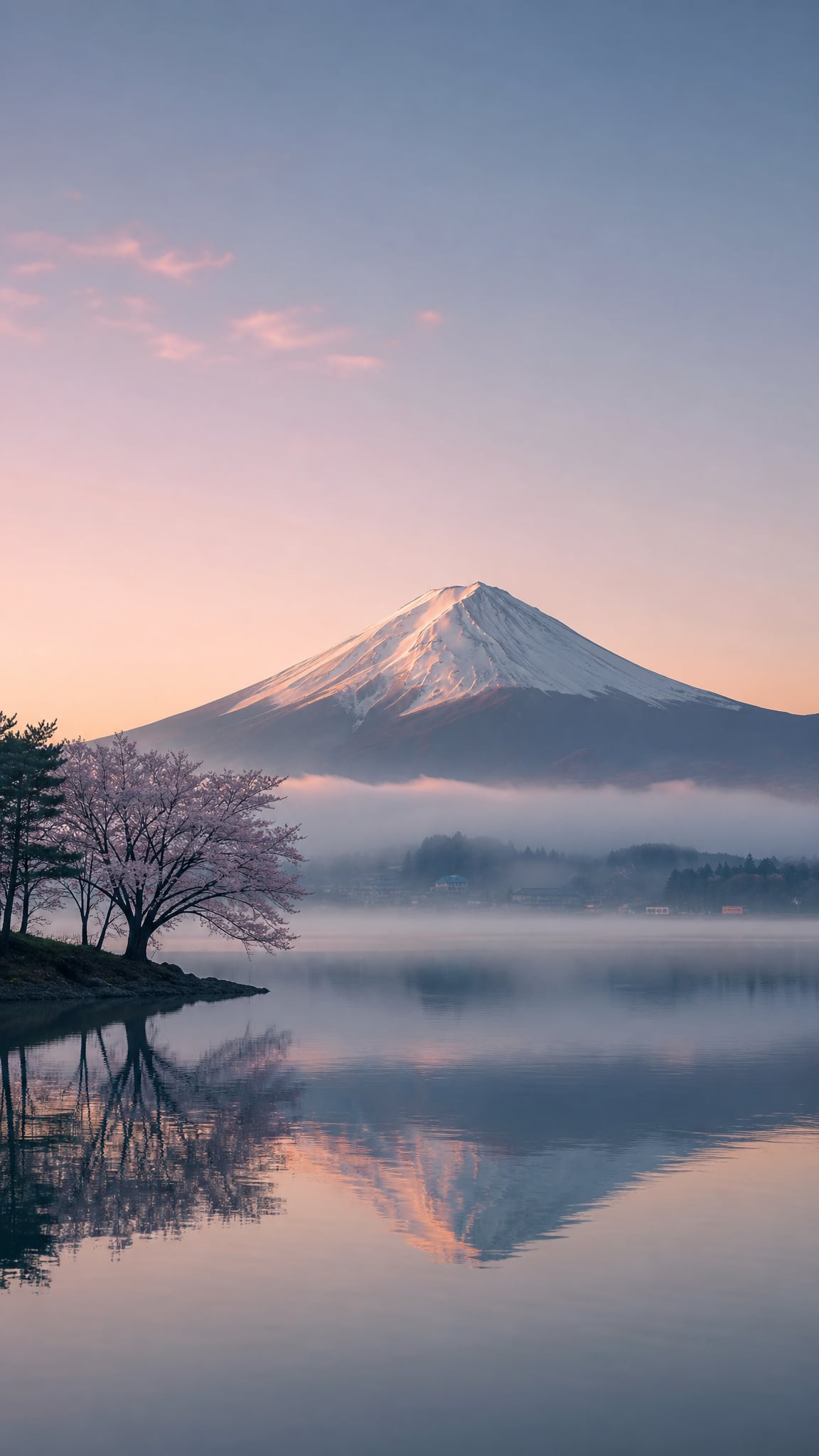
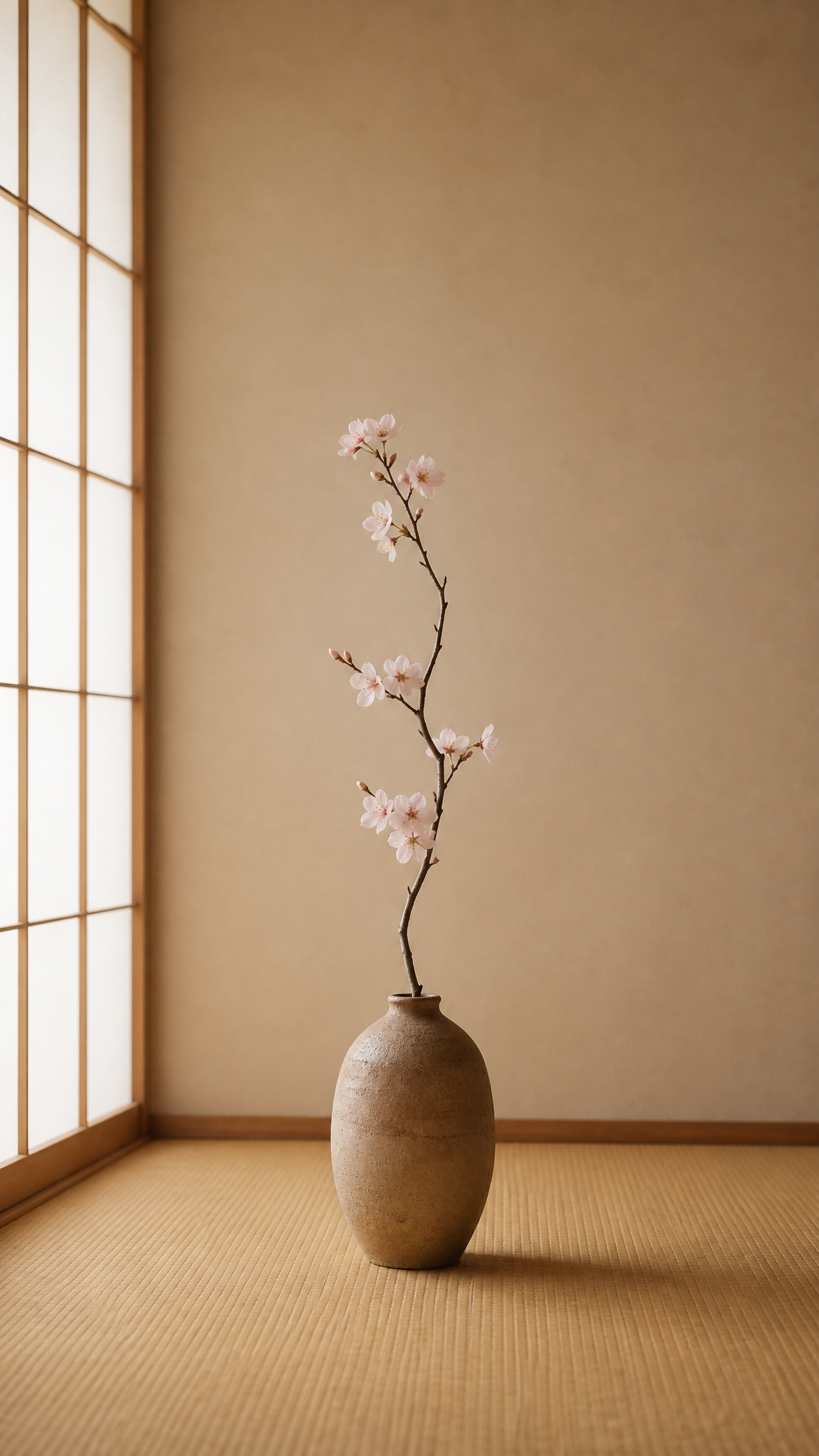
Japanese minimalism wallpapers turn restraint into atmosphere: sparse rooms, natural materials, measured emptiness, and a quiet sense that beauty lives as much in what is omitted as in what is shown. The style is not just 'less stuff.' It grows from Japanese aesthetic concepts such as wabi, sabi, ma, and shibumi, so the result feels contemplative, balanced, and materially grounded rather than merely clean.
Japanese Minimalismアートについて
The strongest verified sources support framing Japanese minimalism as a design translation of deeper aesthetic ideas rather than a recent lifestyle trend. The Stanford Encyclopedia of Philosophy traces key Japanese aesthetic concepts including wabi, sabi, yugen, iki, and kire, and places impermanence and Zen influence at the center of the tradition. Britannica's Japan interior-design entry shows how these values become physical design through restrained decoration, tatami-based modular order, sliding partitions, sparse furnishings, and beauty tied to frugality and asymmetry. Contemporary Aesthetics argues that shibumi, more than imported shorthand, helps explain the understated elegance of modern Japanese minimalism, while Japan House LA's essay on ma grounds the style in the active use of interval, pause, and meaningful empty space.
ビジュアルの特徴
- Deliberate negative space that feels active rather than unfinished
- Natural materials such as raw wood, paper, stone, linen, or clay
- Muted earth and neutral palettes with low visual noise
- Asymmetry that still feels composed and calm
- Single focal accents instead of many competing objects
- Visible texture, grain, age, or quiet imperfection
- Soft daylight and shadow transitions instead of hard contrast
- Geometry that feels measured, humble, and human-scaled
活用例
Low-distraction desktop wallpapers for calm work environments
Phone wallpapers built around one branch, vessel, alcove, or shadow line
Architecture- and interior-led backgrounds with quiet spatial rhythm
Meditation, journaling, or reading device themes
Wallpaper sets that need warmth and silence without becoming plain
類似スタイル
異なる点
プロンプトガイド
プロンプトの方向性
- Name the style directly, such as 'Japanese minimalism wallpaper' or 'quiet Japanese interior aesthetic'
- Specify one main subject or spatial anchor: tokonoma alcove, tea room corner, stone basin, paper screen, branch in vase
- Use words about interval and restraint like negative space, asymmetry, silence, natural texture, or understated elegance
- Keep the palette limited to off-white, charcoal, muted brown, stone gray, paper beige, moss, or indigo accents
- If the result looks like generic Western minimalism, add cues such as wabi-sabi texture, ma, tatami proportion, or natural wood and paper
ヒント
- Internal editorial suggestion: Japanese minimalism reads best when one material texture is made explicit.
- Internal editorial suggestion: a single branch, vessel, screen edge, or patch of light is often enough for phone crops.
- Internal editorial suggestion: cross-link with `minimalist`, `scandinavian`, and `chinese-ink` helps users navigate nearby restraint-led styles.
- Internal editorial suggestion: avoid overusing Zen clichés unless the composition still feels contemporary and usable as wallpaper.
おすすめキーワード
避けること
よくある失敗
- The image becomes generic beige minimalism with no Japanese spatial logic
- Everything is stripped away so aggressively that the wallpaper loses material warmth
- Symmetry becomes too rigid and removes the intended feeling of measured natural balance
- The scene looks expensive and glossy when it should feel quiet and modest