#Engraving
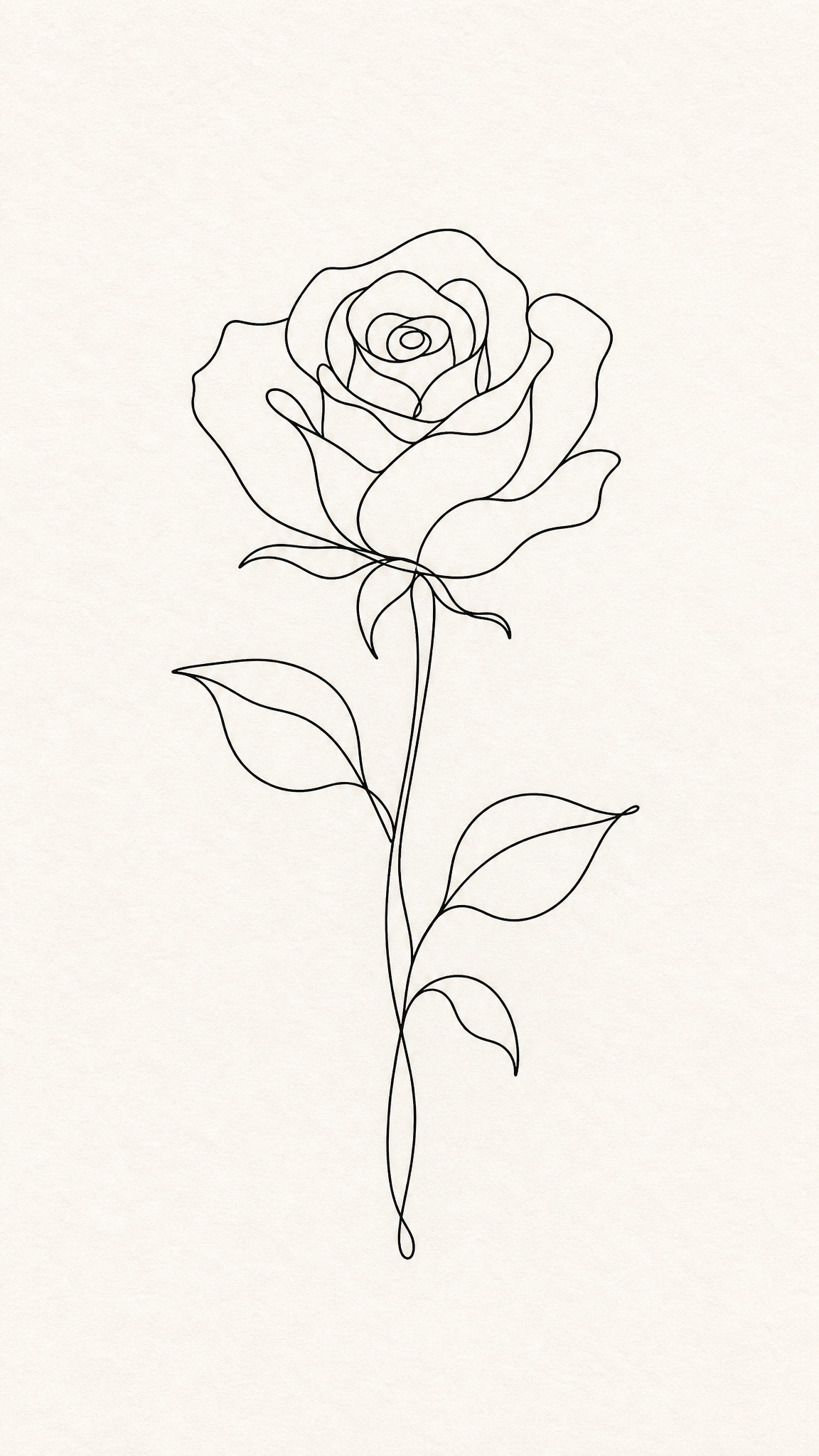
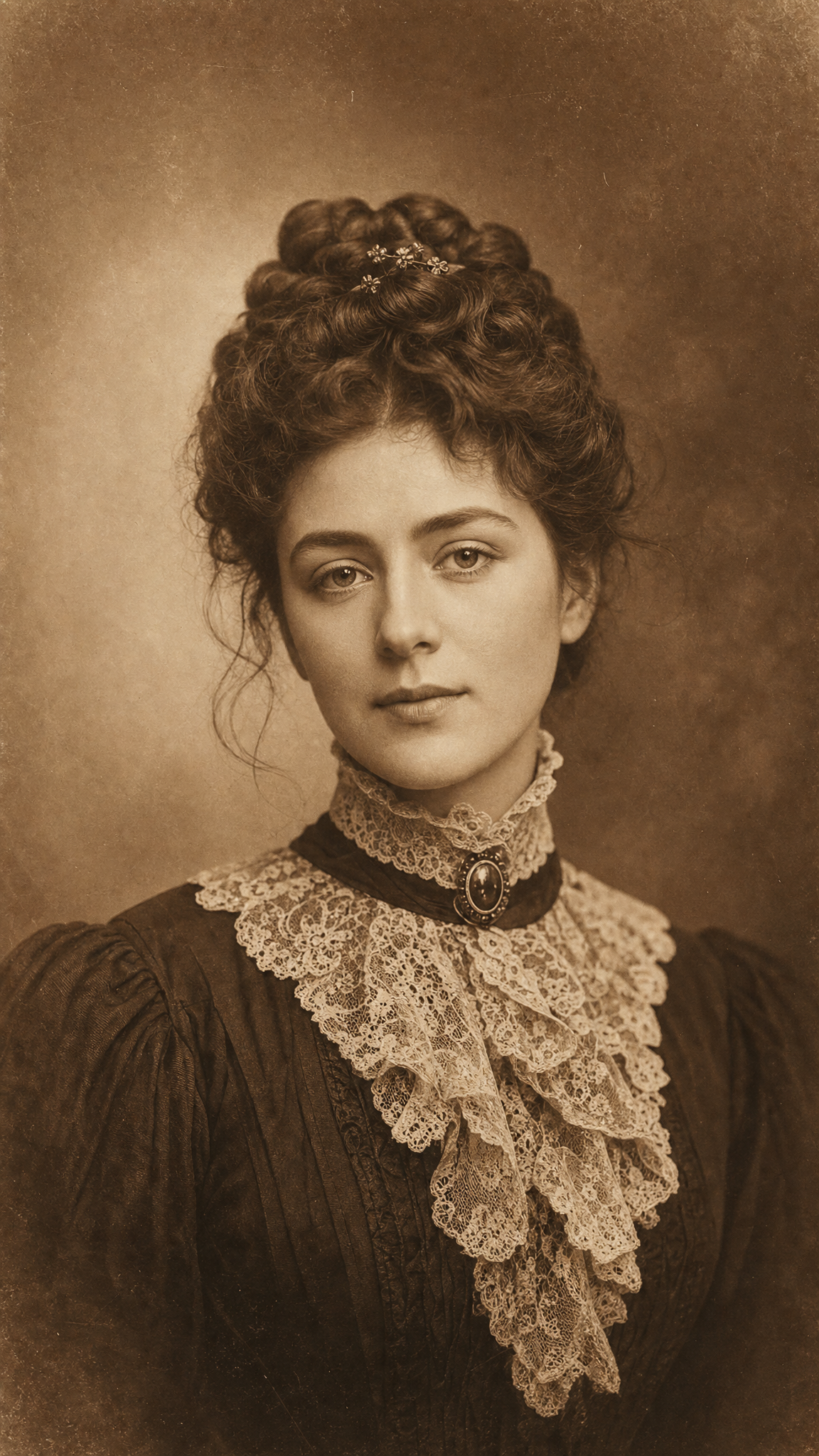
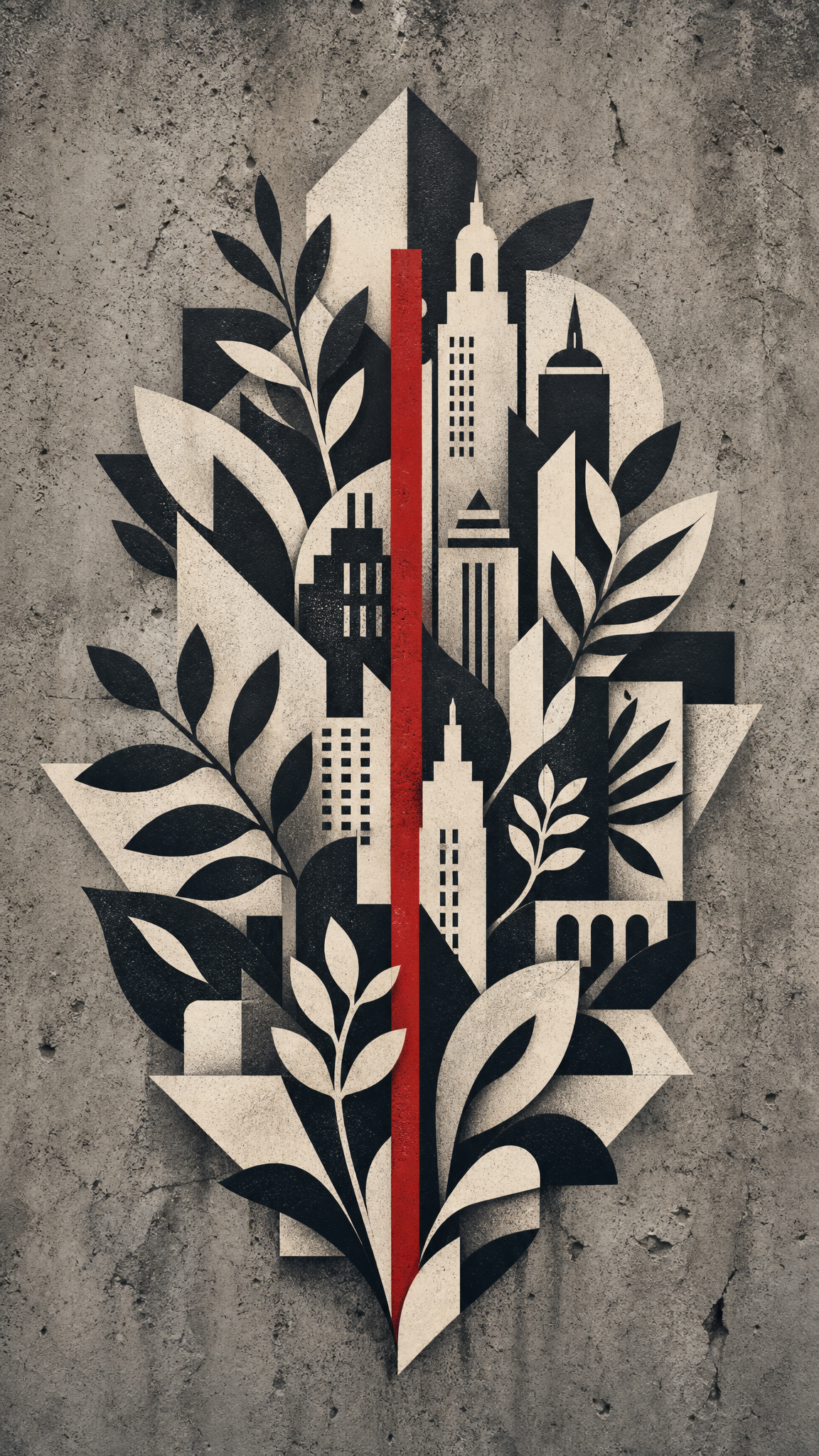
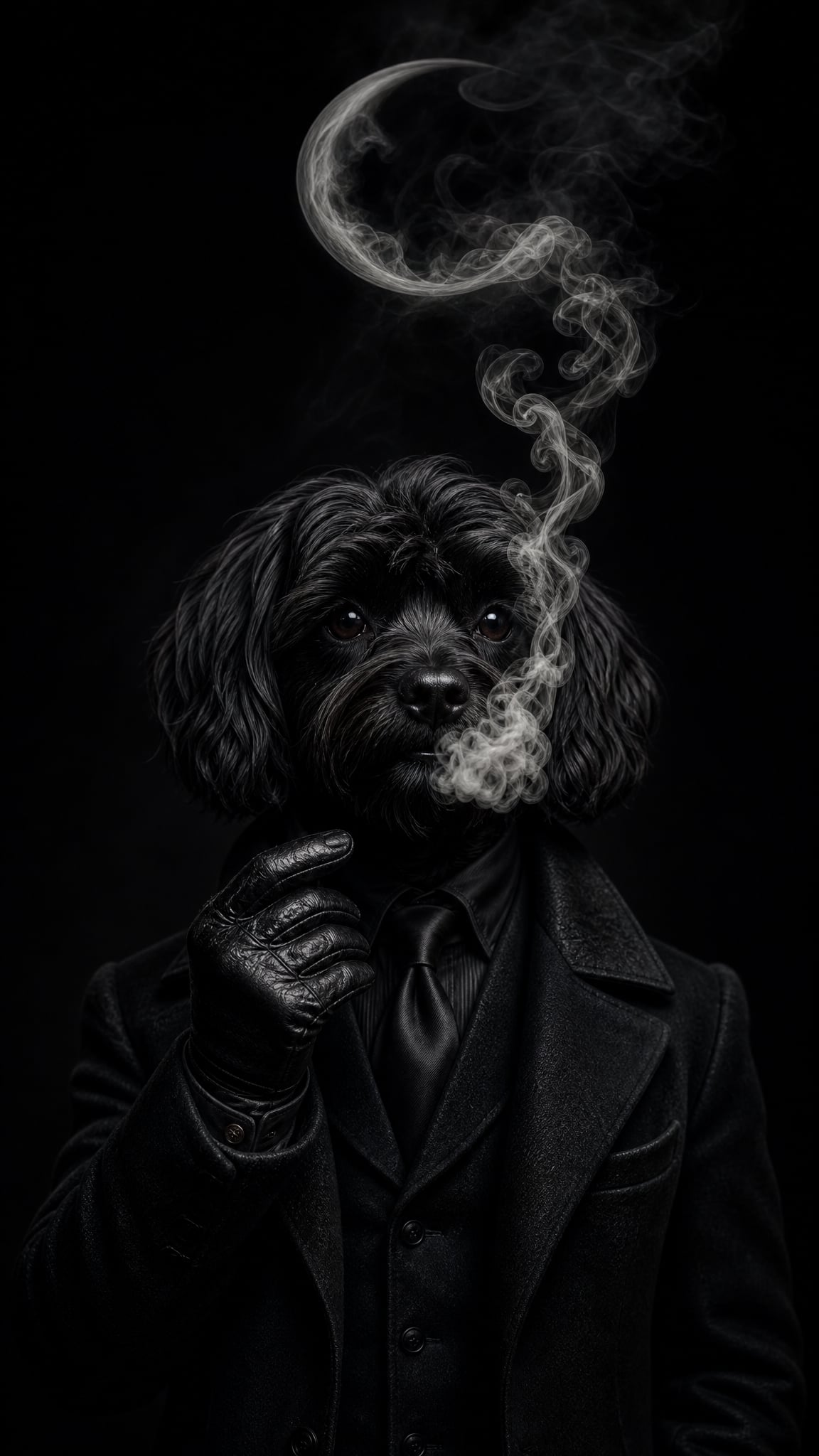
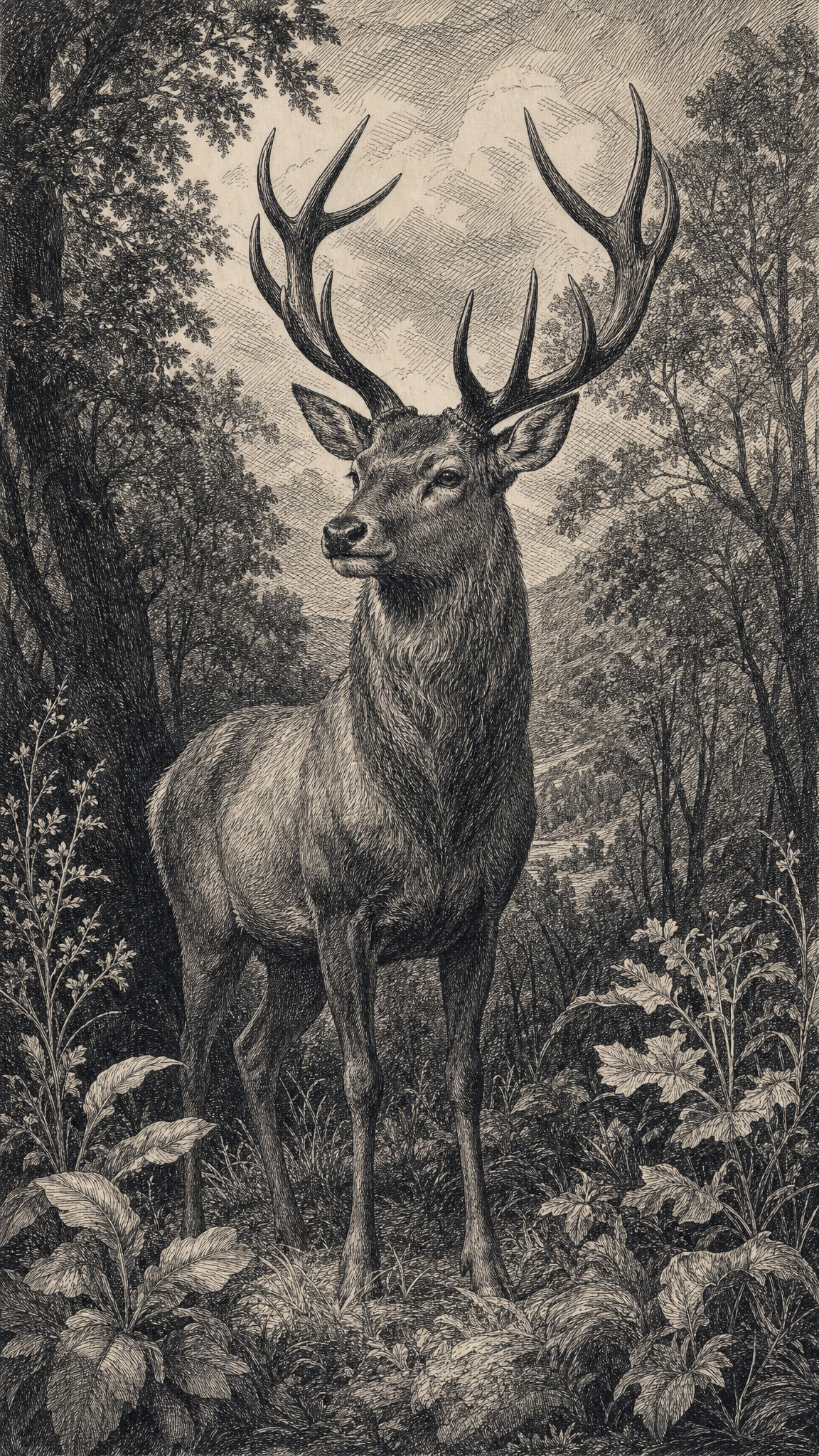
Engraving wallpapers adapt the precise line systems of intaglio printmaking into backgrounds that feel formal, historical, and exacting. The look depends on incised line, hatching, crosshatching, emblematic framing, and the visual authority associated with currency, certificates, old scientific illustration, and classical reproduction prints. It is especially useful when a wallpaper should feel intricate, serious, and technically disciplined.
Engravingアートについて
Engraving is a printmaking technique in which a design is incised into a metal plate with a burin so that the recessed lines hold ink. Britannica traces its independent origins to the Rhine valley and northern Italy in the mid-15th century, while the Metropolitan Museum of Art's printmaking guide explains the intaglio logic of cutting lines directly into copper or zinc plates. Because the medium is line-led and materially demanding, it became strongly associated with precision, authority, reproduction, and institutional legitimacy. Those same qualities make engraving aesthetics distinctively useful in wallpaper design.
ビジュアルの特徴
- Fine incised lines organized into hatching and crosshatching
- Tonal shading built from line density rather than paint mass
- High-detail ornament, borders, flourishes, or emblematic framing
- A black-and-cream or sepia-and-ivory print sensibility
- Classical portrait, botanical, currency, or certificate associations
- Visible line discipline and directional stroke logic
- A sense of historical craft and technical control
- Formal composition that feels printed rather than painted
- Textures created through line systems instead of smooth gradients
- Strong compatibility with heraldic, archival, or old-document motifs
活用例
Formal desktop wallpapers for finance, law, academic, or heritage-themed workspaces
Certificate-like or banknote-like design backgrounds
Botanical or portrait wallpapers with old-print authority
Luxury packaging or identity mockup backgrounds that need classical legitimacy
Monochrome wallpaper packs with strong detail and low color dependency
類似スタイル
異なる点
プロンプトガイド
プロンプトの方向性
- State the technique directly: 'engraving wallpaper' or 'intaglio engraving illustration'
- Name the subject that suits line systems well: portrait, botanical plate, heraldic emblem, currency frame, or old map detail
- Ask for hatching, crosshatching, and burin-cut line precision
- Use palette cues like black ink on cream paper, sepia print tone, or antique certificate contrast
- If the image feels too modern and smooth, increase line density and reduce gradient-based shading
ヒント
- Internal editorial suggestion: Portraits, botanical plates, and currency-like borders are the most reliable engraving wallpaper directions.
- Internal editorial suggestion: Keep the palette restrained; color usually works best as an accent, not as the main event.
- Internal editorial suggestion: Cross-link with `line-art`, `sepia`, and `stencil` helps users distinguish adjacent line-based styles.
- Internal editorial suggestion: The effect reads best when line hierarchy is clear at thumbnail size.
おすすめキーワード
避けること
よくある失敗
- Using random thin lines without believable tonal structure
- Making the image look like generic vector art instead of printmaking
- Adding too much color and losing the engraved-paper authority
- Blurring details that should feel cut and deliberate