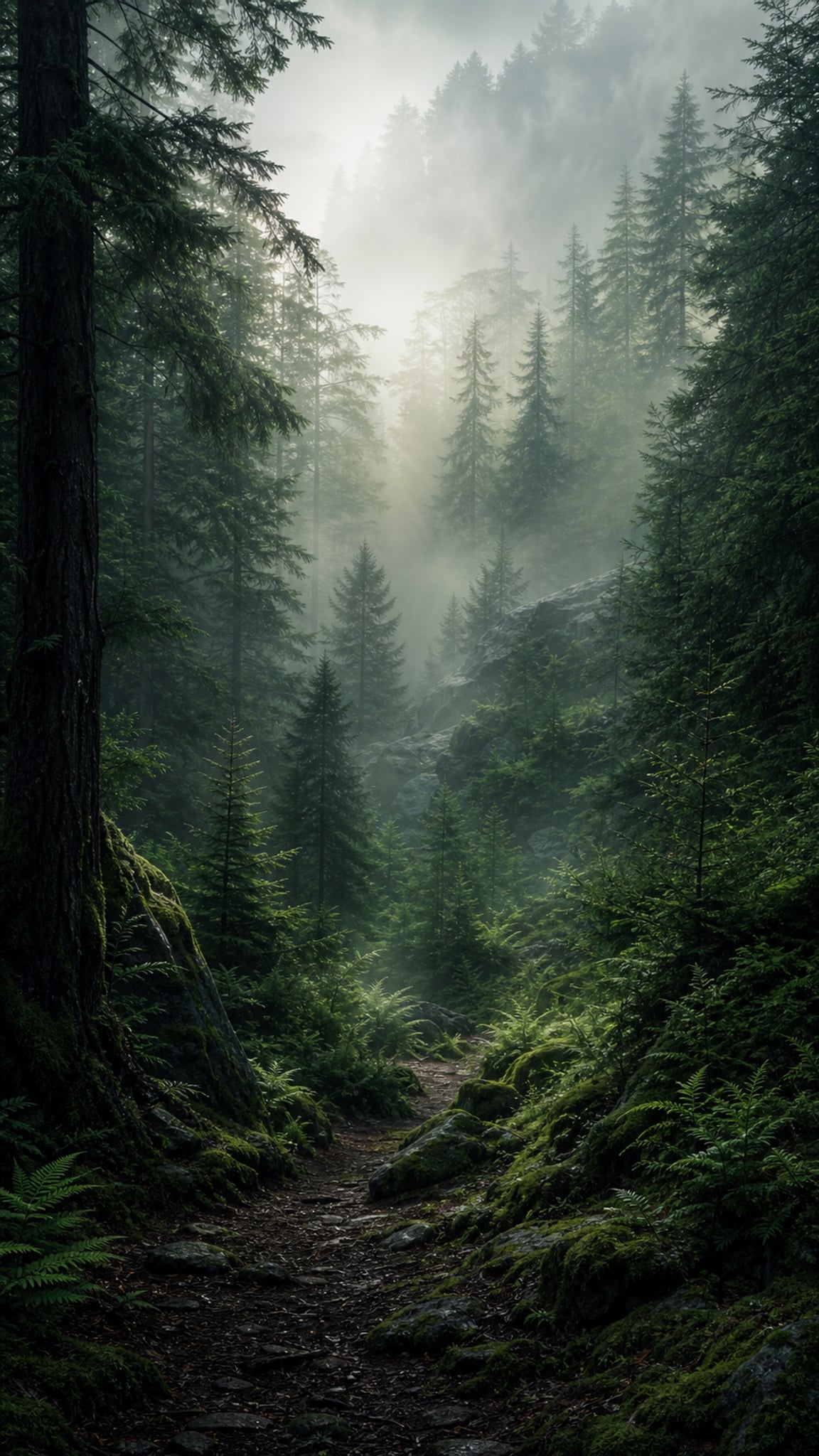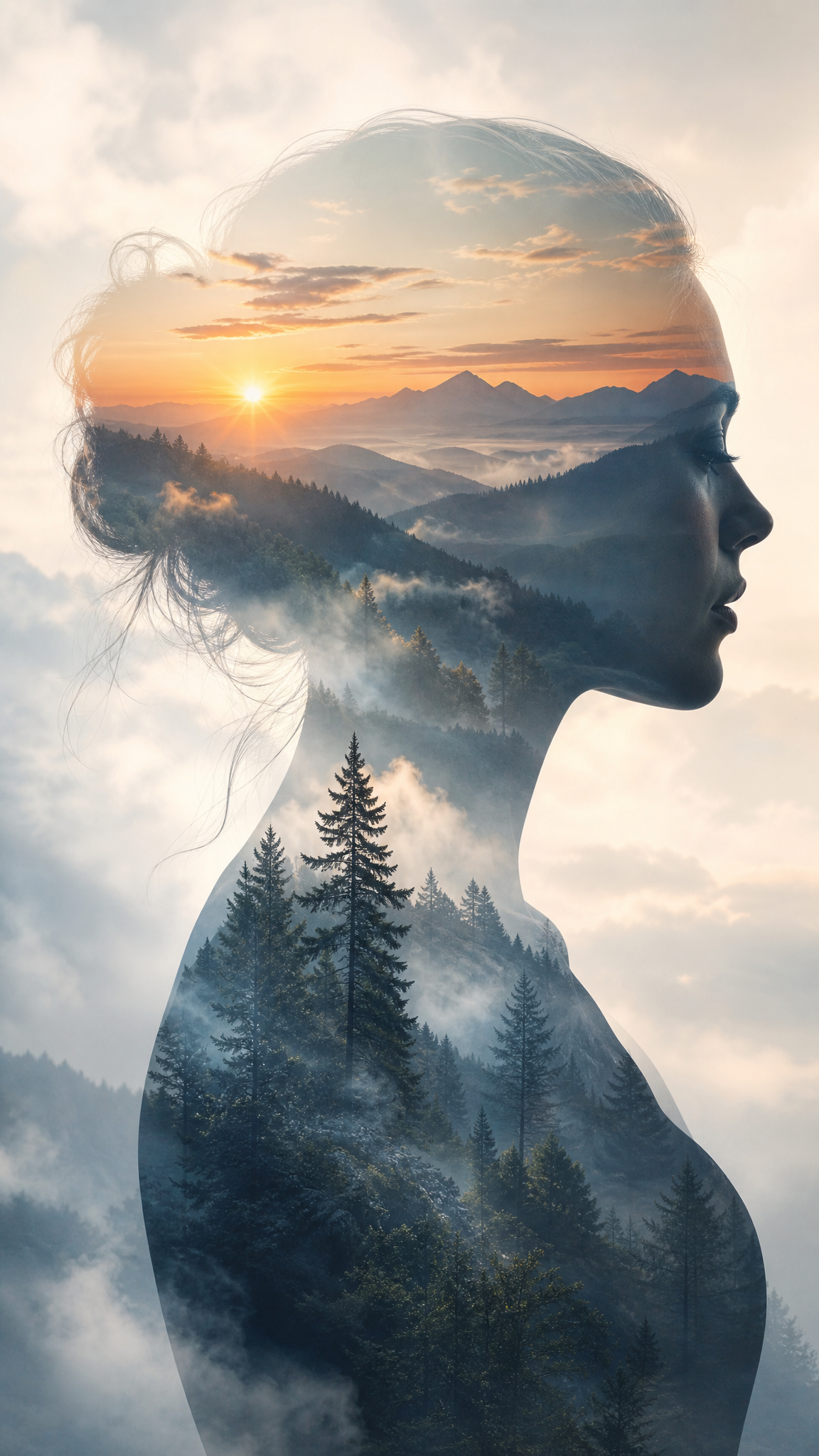
#Double Exposure
Double Exposure wallpapers combine two visual layers into one image system: silhouette plus landscape, portrait plus texture, or overlapping scenes that feel photographic, surreal, and atmospheric at the same time.
About Double Exposure Art
The verified sources support treating double exposure as a durable photographic technique rather than a fleeting digital trick. MoMA provides the core term definition, while Adobe links the practice from film-era multiple exposures into modern digital workflows. That makes the style defensible as a photography-derived visual language with both historic and contemporary forms.
Visual Traits
- Two readable image layers blended into one composition
- Silhouette-plus-landscape or portrait-plus-texture pairings
- Transparent overlap that creates dreamlike depth
- A photographic or poster-like surreal mood rather than pure illustration
Use Cases
Portrait-led desktop wallpapers
Moody phone wallpapers with silhouette focus
Poster-style backgrounds for music or film moods
Nature-meets-human composites for calm surreal scenes
Similar Styles
Different From
Prompt Guide
Prompt Directions
- State the primary subject and the embedded secondary layer early
- Use pairings such as portrait and forest, skyline and silhouette, face and flowers
- Ask for blended transparency and readable separation, not chaotic collage
- If the result becomes muddy, reduce the number of layers and strengthen one outer contour
Tips
- Internal editorial suggestion: Double Exposure wallpapers work best when one visual system stays dominant instead of splitting attention across too many motifs.
- Internal editorial suggestion: specify crop intent early because phone wallpapers usually need one stronger vertical anchor than desktop versions.
- Internal editorial suggestion: cross-link this style with surrealist only when the user intent clearly overlaps.
- Internal editorial suggestion: keep factual claims inside the verified evidence boundary and treat prompt advice as editorial guidance only.
Recommended Keywords
Avoid
Common Failures
- The layers merge into unreadable mud
- The result looks like random collage instead of exposure logic
- One image dominates so completely that the double-exposure effect disappears