#Dark Fantasy
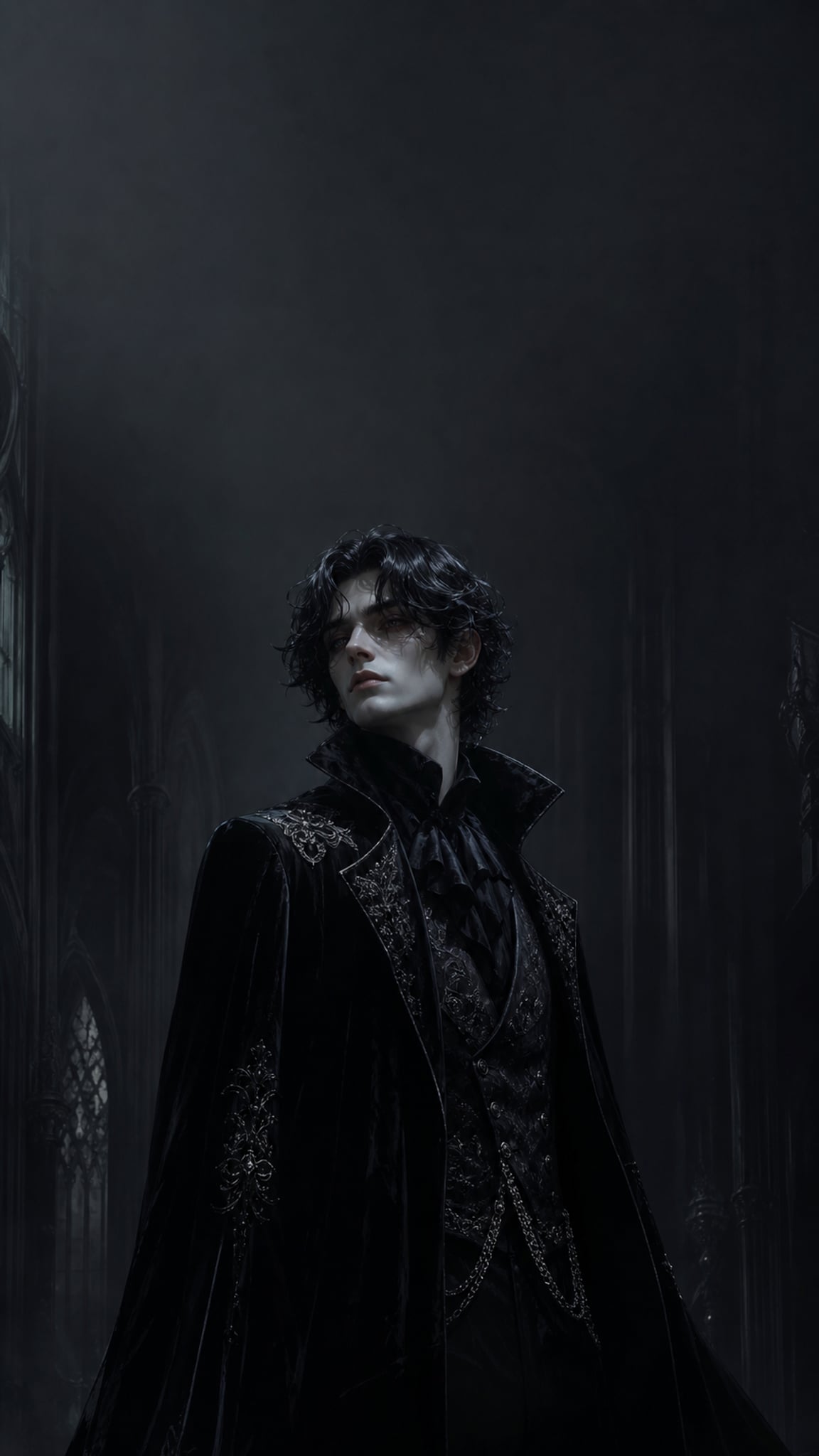
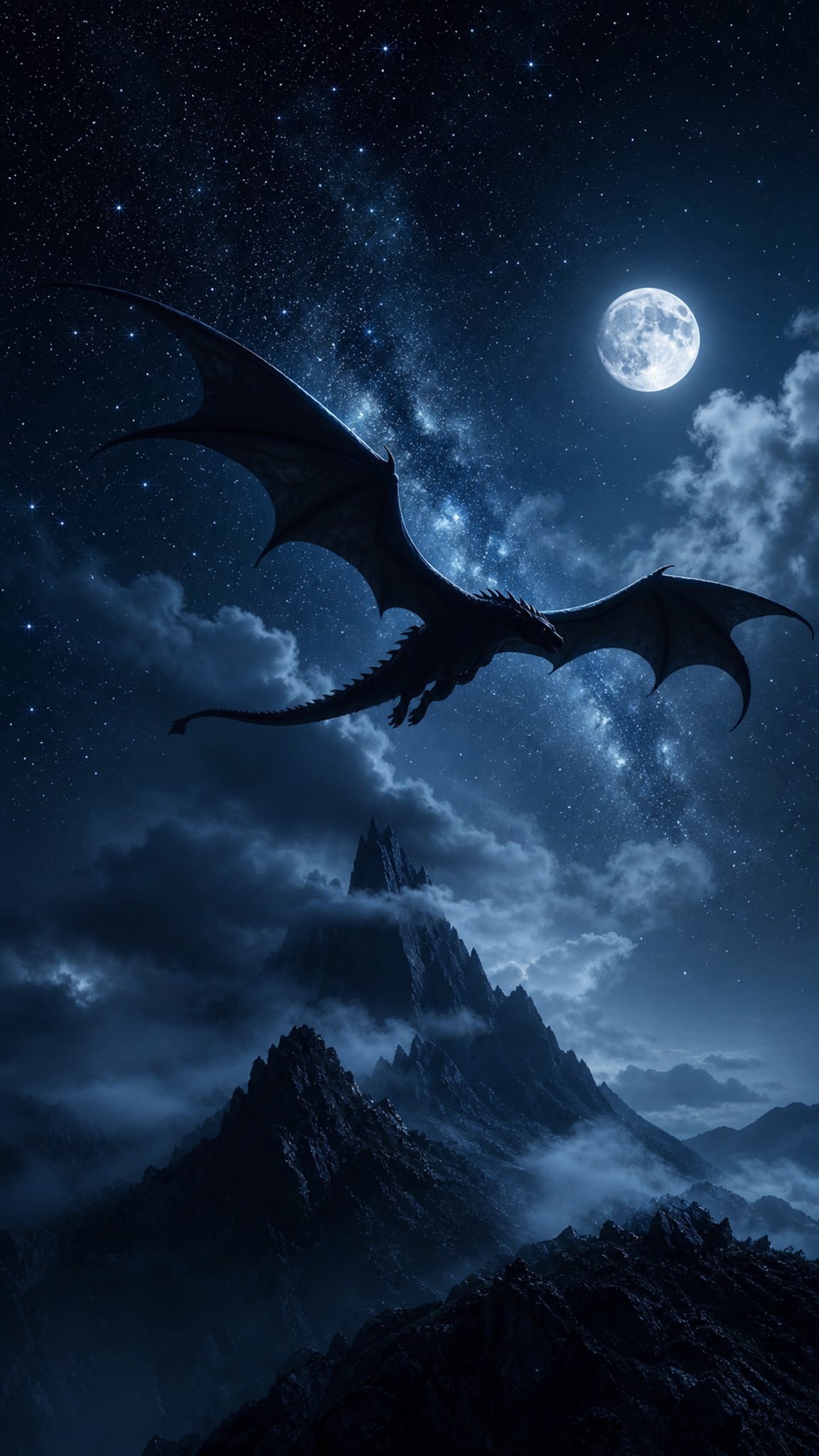
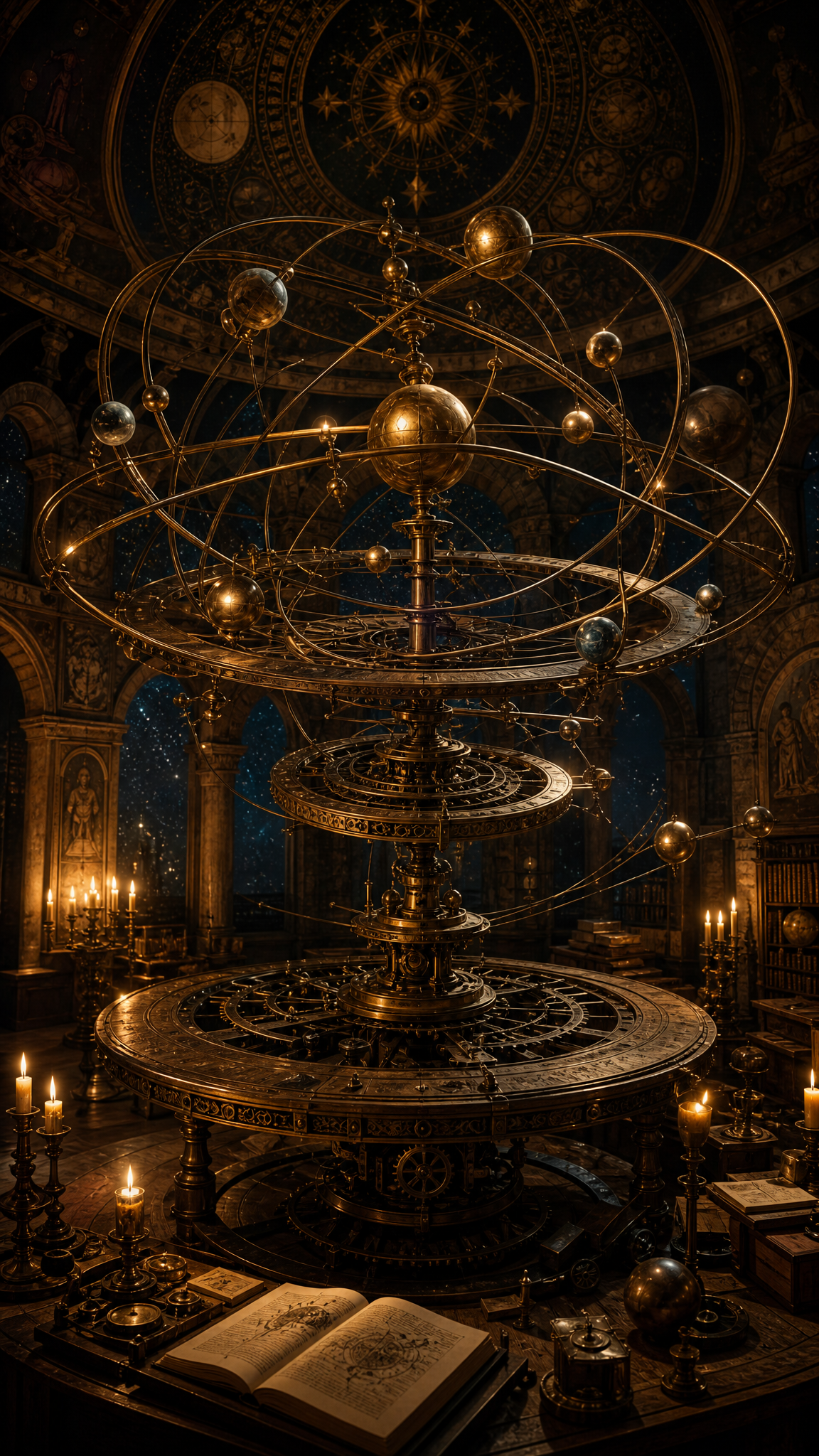
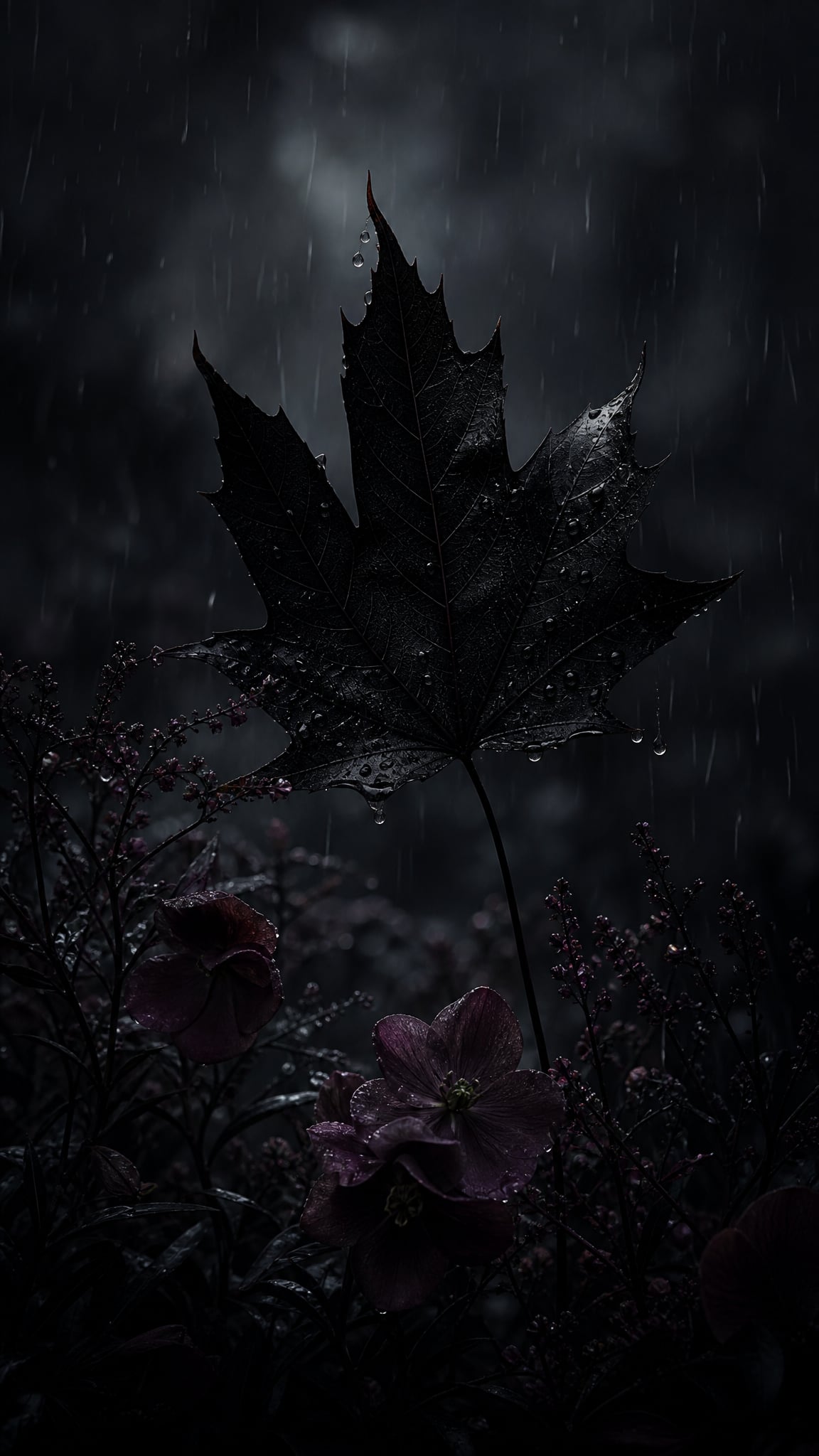
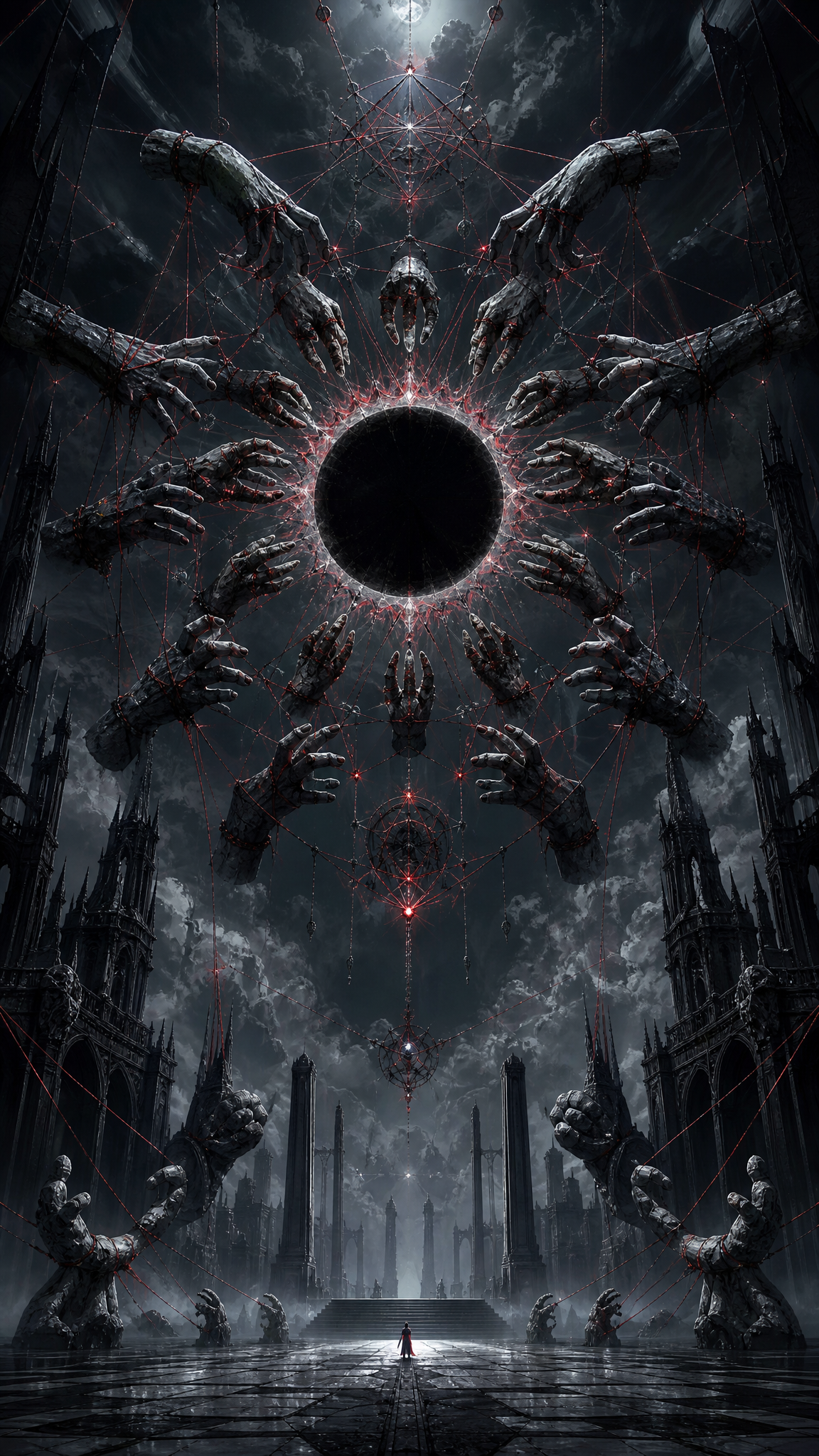
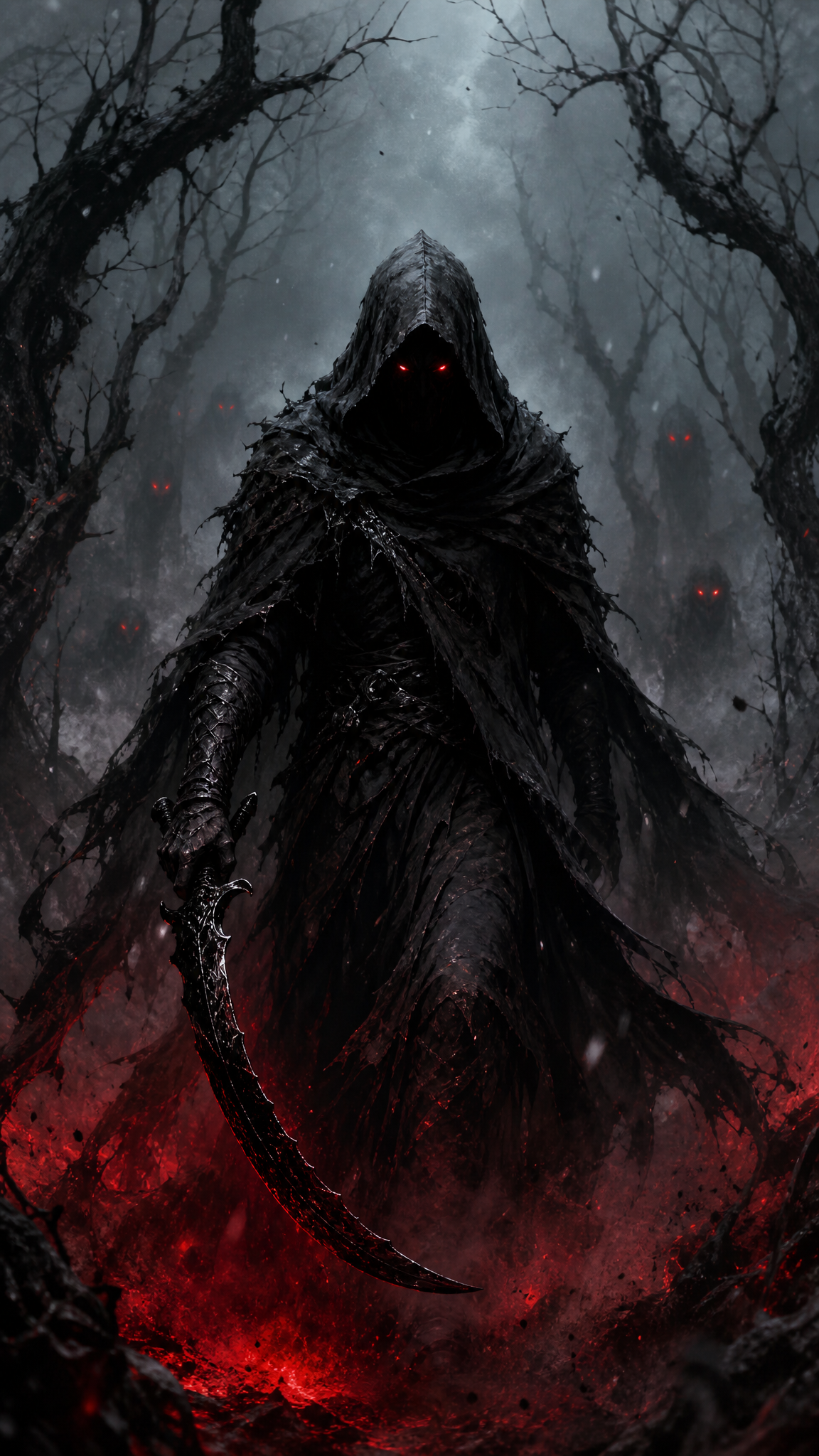
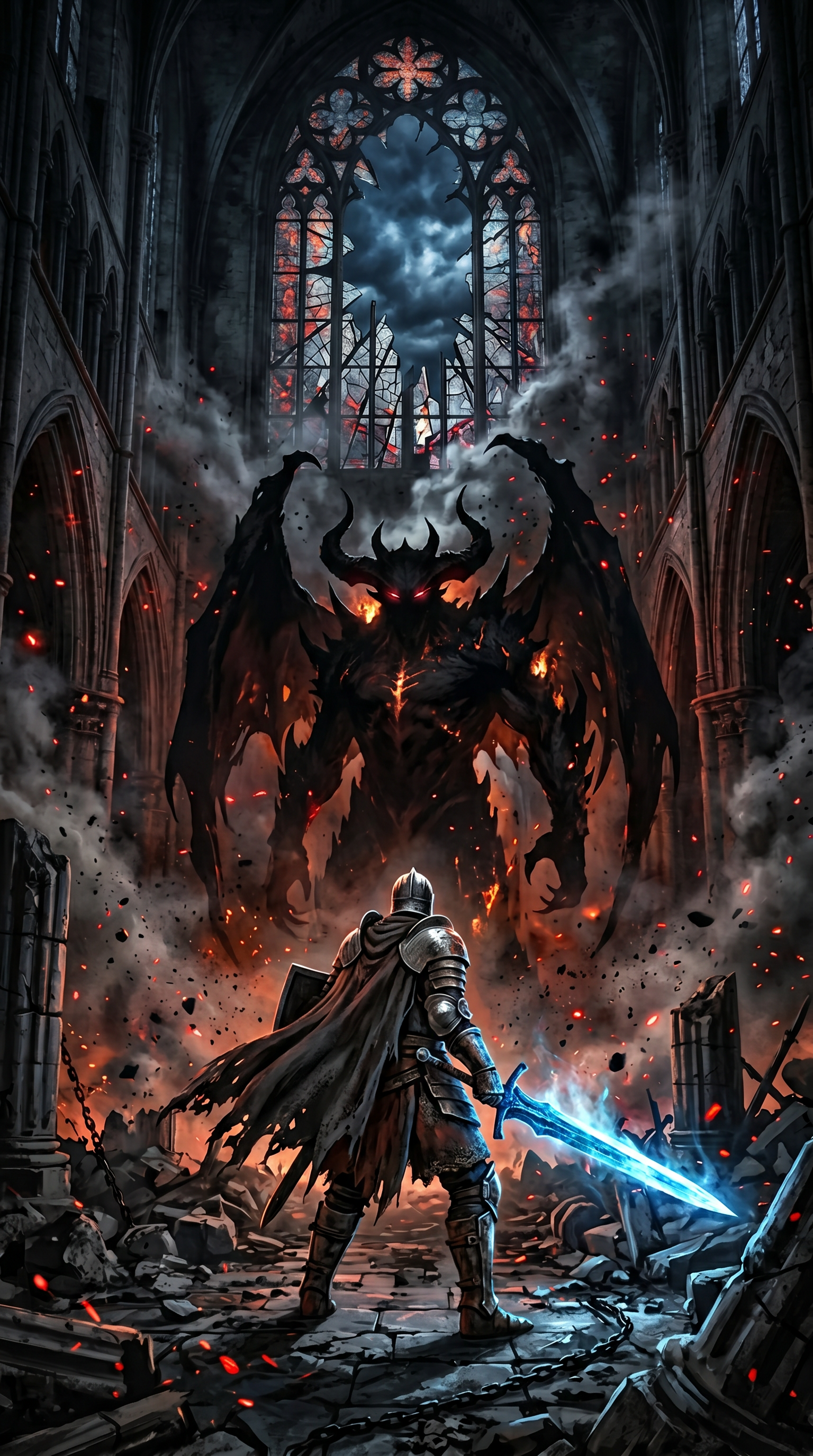
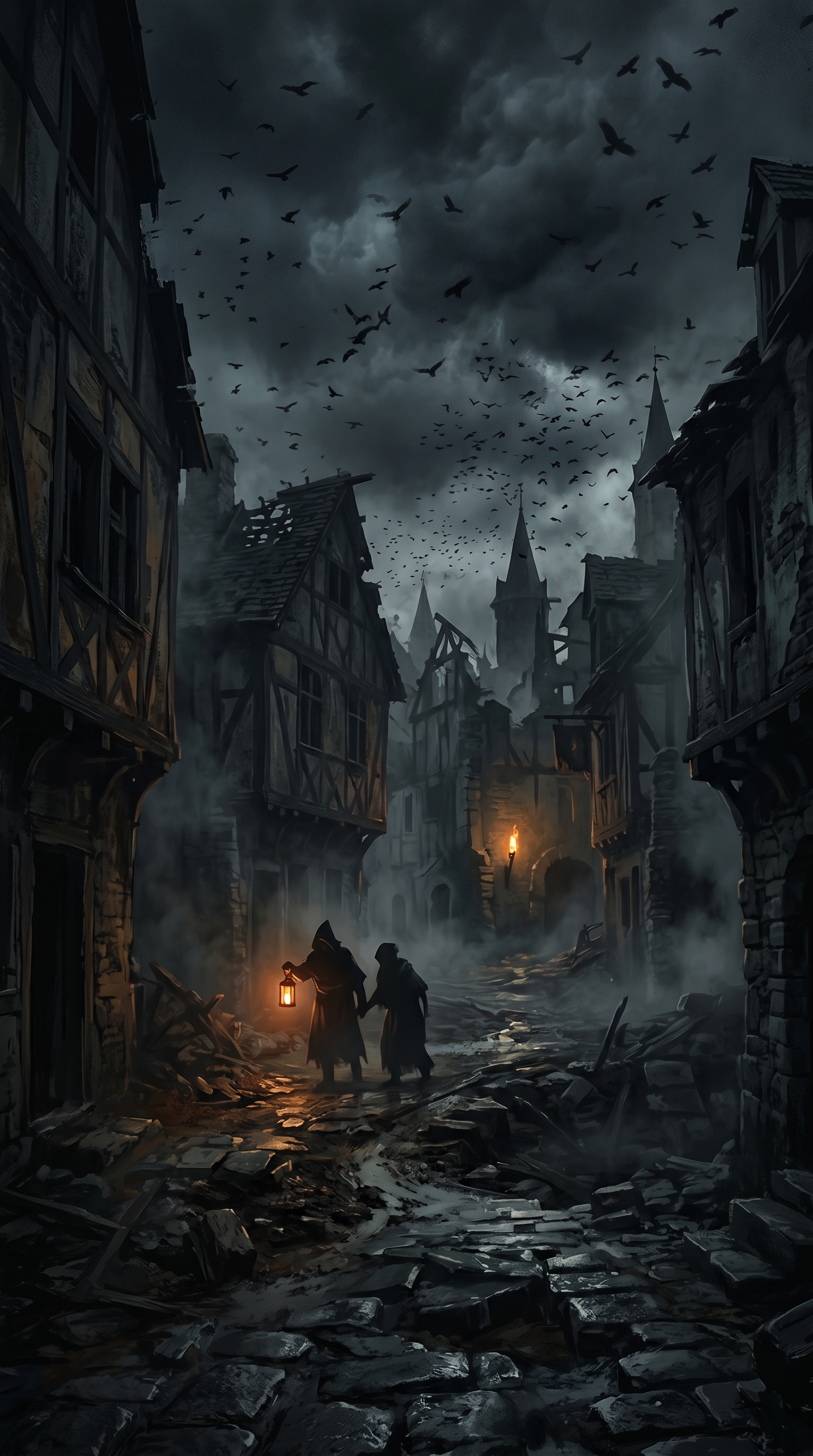
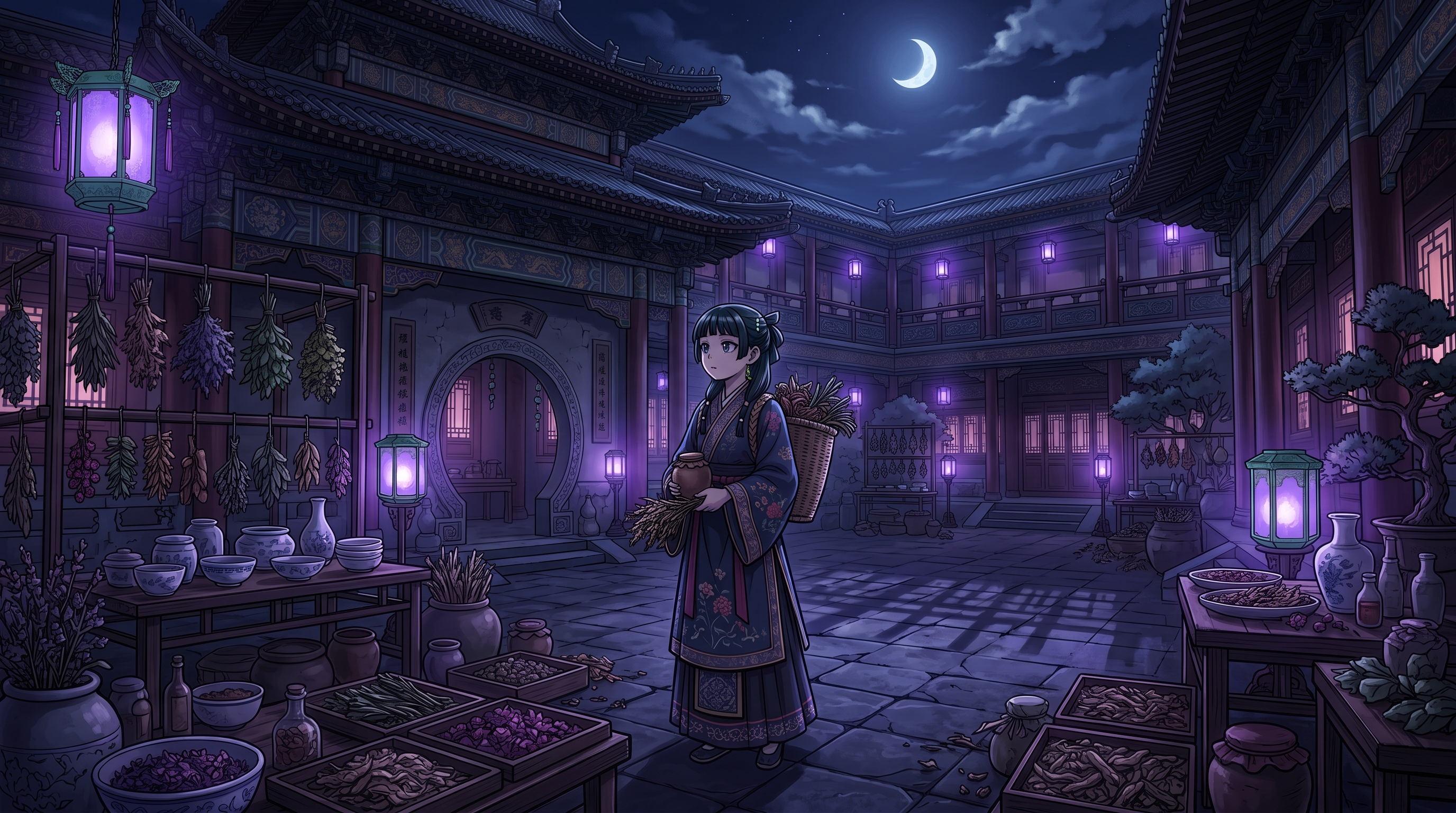
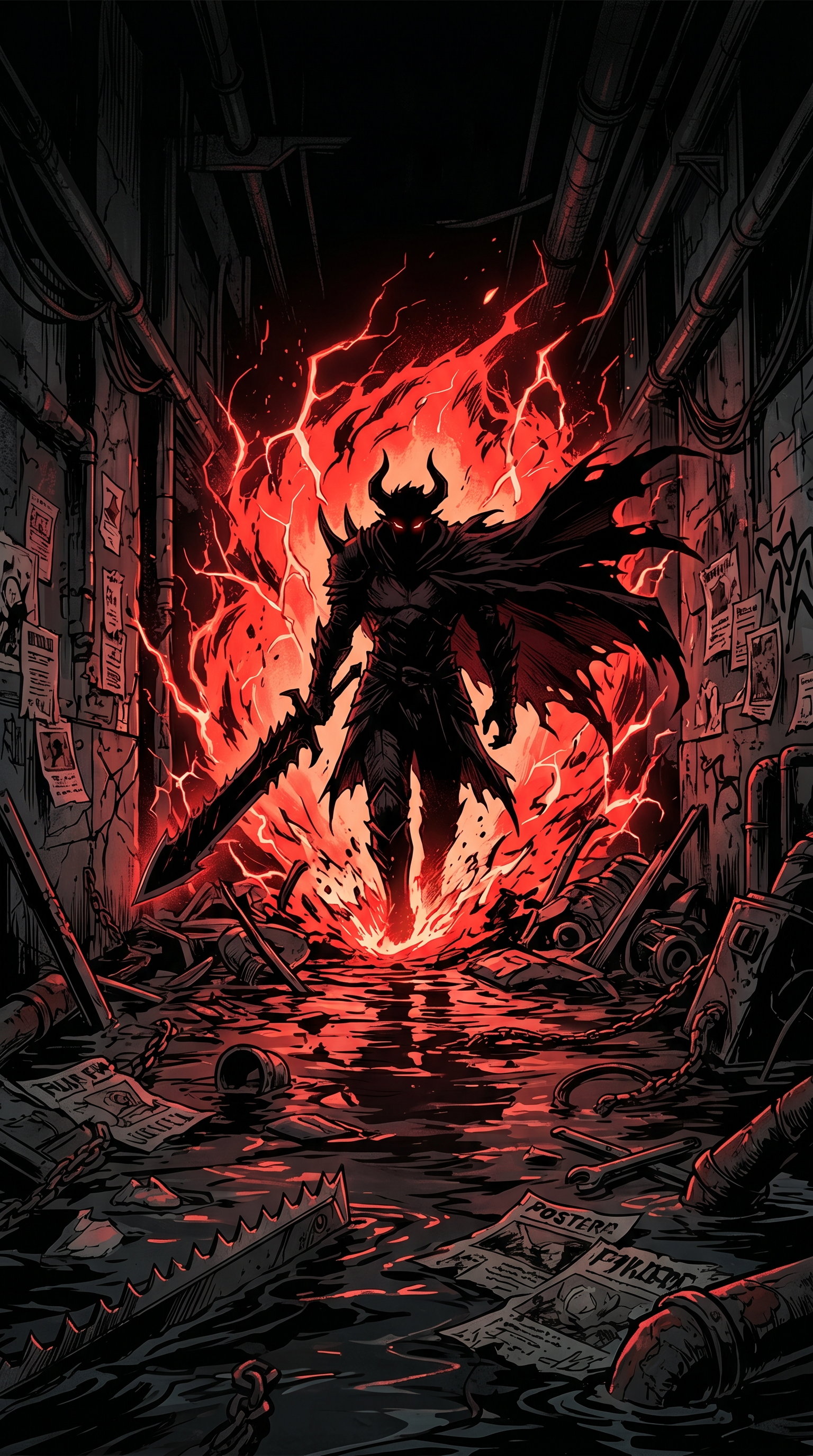
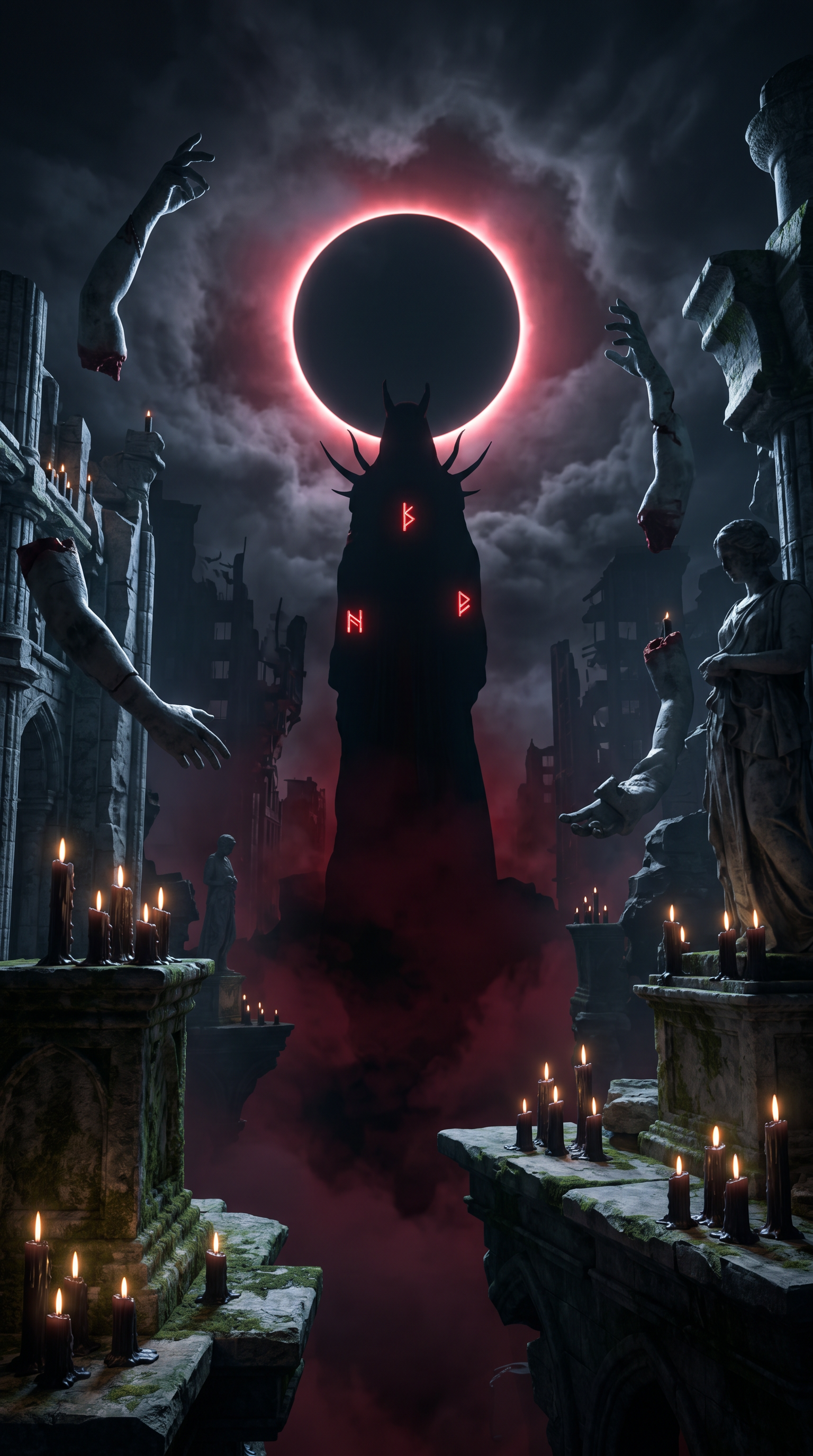
Dark fantasy is a subgenre that merges fantasy worldbuilding with horror, Gothic atmosphere, and morally ambiguous narrative tone. In wallpaper and digital art, the dark fantasy aesthetic is defined by desaturated palettes, ruined architecture, ominous lighting, and an oppressive sense of scale. Where classical fantasy offers wonder and aspiration, dark fantasy delivers dread, grandeur, and a haunting beauty that makes for intensely atmospheric screen backdrops.
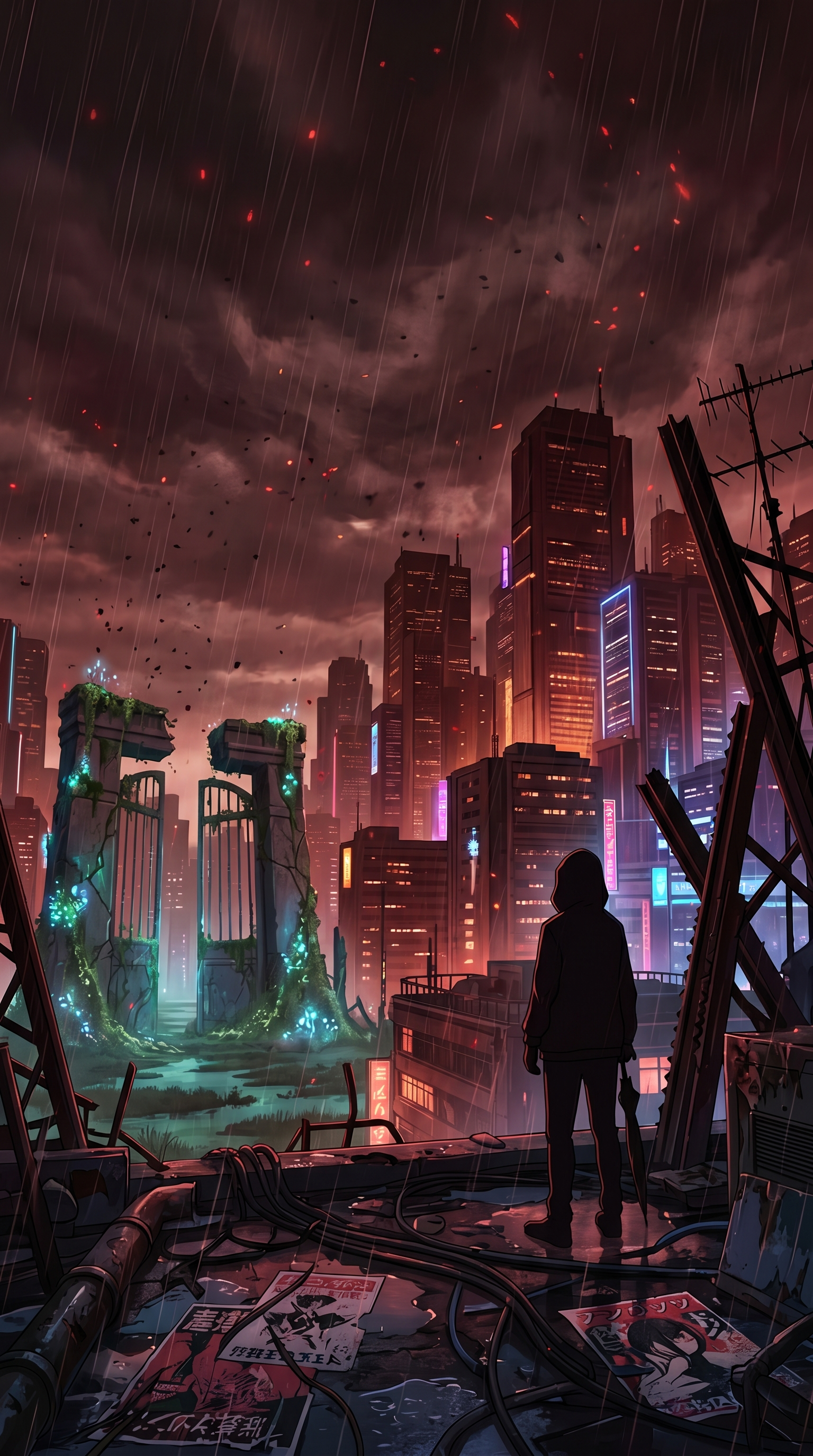
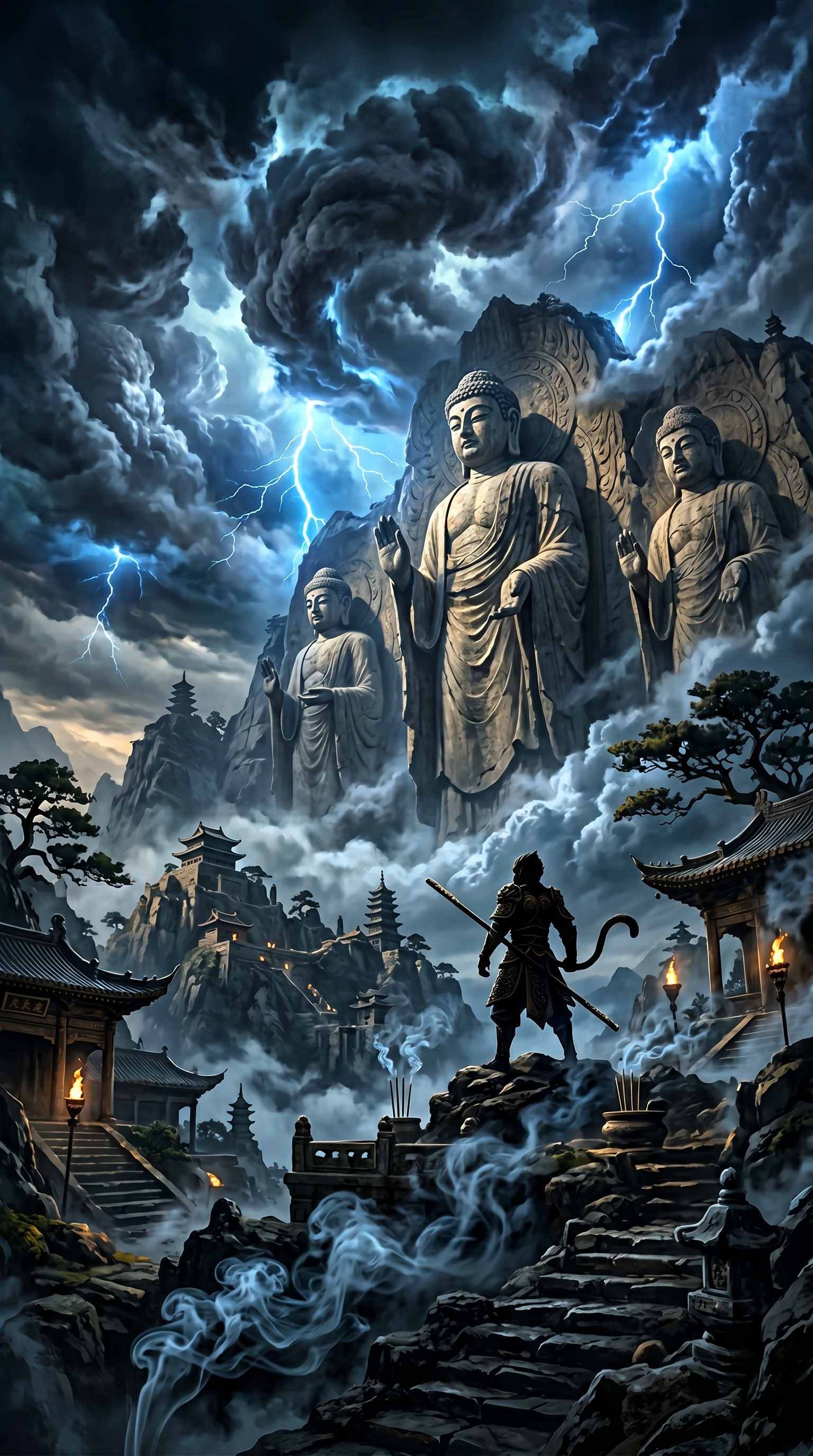
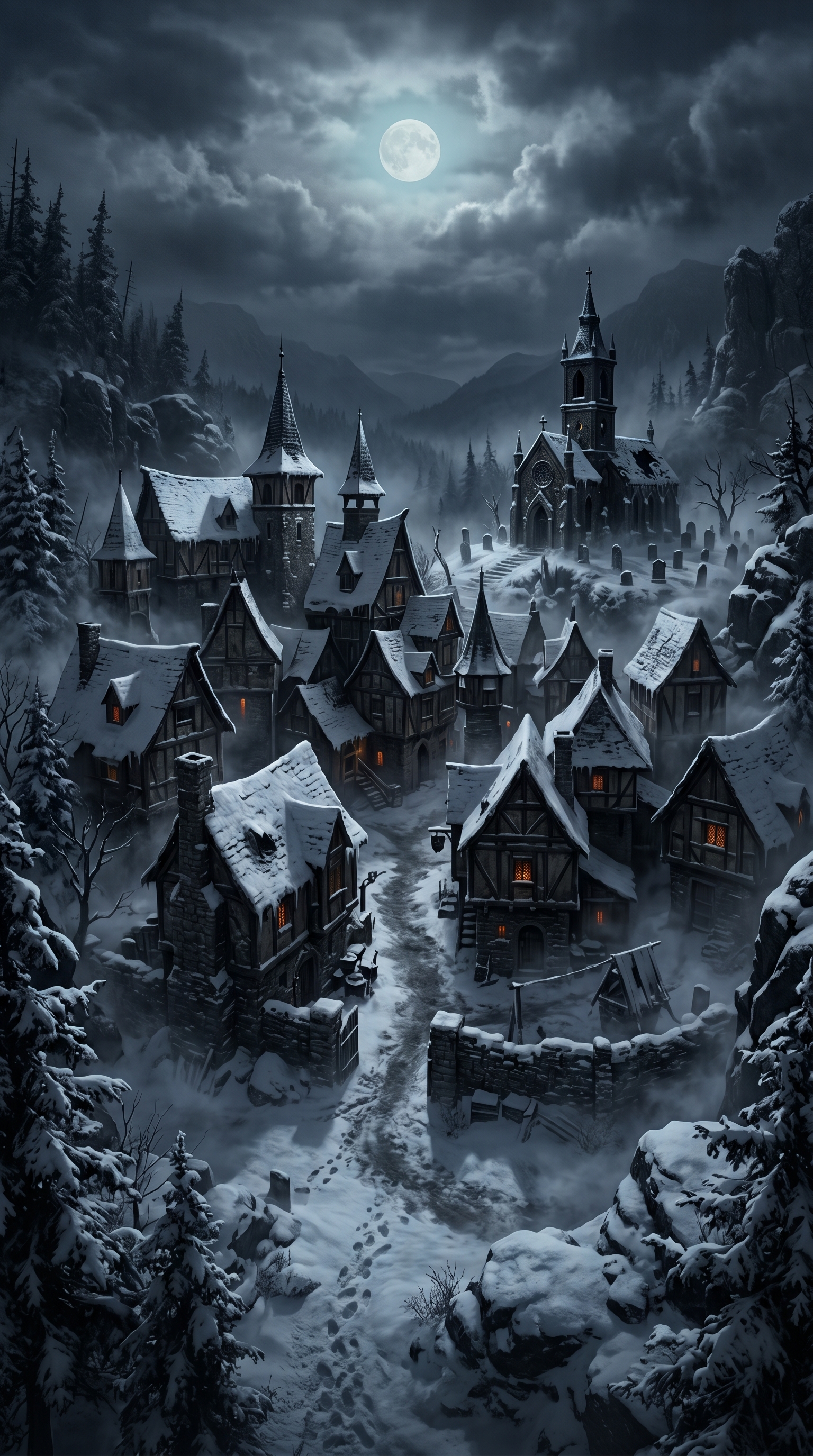
About Dark Fantasy Art
Dark fantasy emerged as a label for fantasy works that absorb disturbing, frightening, or Gothic material rather than separating it cleanly into horror. The Wikipedia overview identifies it as a subgenre that folds unsettling themes into fantasy frameworks. Visually, the style draws on Gothic architecture and literature, with ruined grandeur, pointed arches, and shadow-heavy atmospheres. Artsy's overview of H.R. Giger emphasizes the importance of grotesque, nightmarish imagery in modern dark visual culture, while its Contemporary Gothic category describes a contemporary tendency organized around darkness and horror. In wallpaper and digital art, dark fantasy therefore tends to combine medieval or mythic worldbuilding with decay, dread, and tragic grandeur rather than the bright heroism of classical fantasy.
Visual Traits
- Desaturated, cold palettes: ash grays, muted blues, deep blacks, with occasional warm accents from fire, embers, or blood
- Ruined and decayed architecture: crumbling cathedrals, overgrown fortresses, skeletal towers, and collapsed bridges
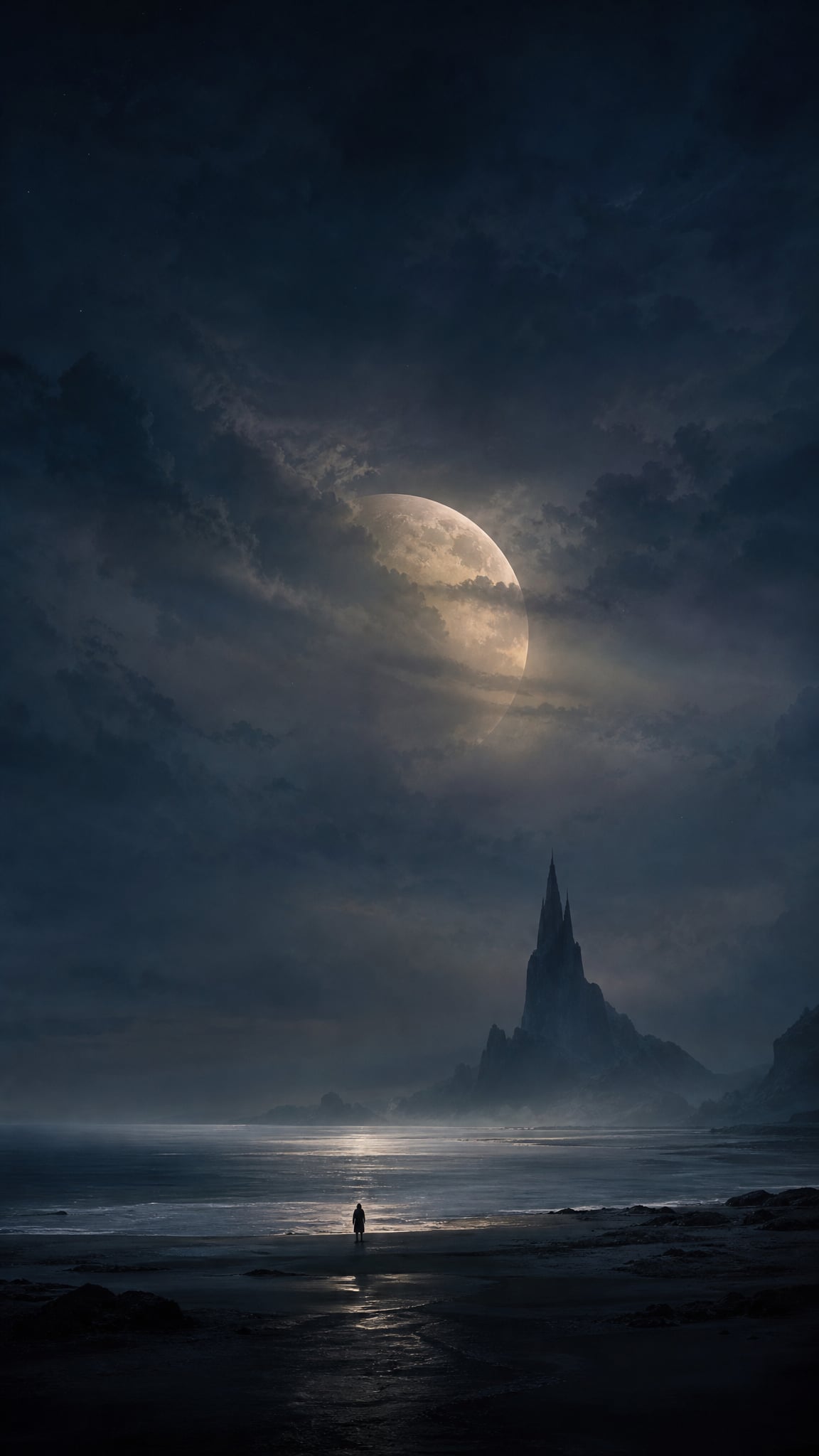
- Oppressive sense of scale: massive structures and landscapes that dwarf human figures, emphasizing insignificance
- Ominous and dramatic lighting: shafts of pale light through clouds, ember glow, bioluminescent fungi, or eclipse-like phenomena
- Gothic architectural elements: pointed arches, ribbed vaults, gargoyles, and ornate but weathered stonework
- Organic decay and body horror: twisted trees, bone formations, corrupted flesh, and parasitic growths
- Fog, smoke, and atmospheric haze that obscure depth and create a sense of the unknown
- Armored figures with ornate but battle-damaged equipment, evoking worn endurance rather than fresh heroism
- Monstrous beings that blend human and inhuman anatomy in unsettling ways
- Painterly rendering with heavy chiaroscuro (strong light-dark contrast) and textured surfaces
- Narrative tension: scenes that imply danger, loss, or a journey into hostile territory
Use Cases
Desktop wallpapers with atmospheric depth and natural icon-safe zones in fog, shadow, or sky areas
Phone lock screens featuring a single dramatic silhouette: a lone armored figure, a ruined spire, or a distant fire
Ultrawide displays suited to panoramic ruined landscapes with layered depth and atmospheric haze
Dark-mode desktops where the inherently dark palette integrates seamlessly with system UI
OLED screens that benefit from true-black areas in shadow-heavy dark fantasy compositions
Gaming-themed setups where Dark Souls / Elden Ring / Berserk-influenced aesthetics match the user's interests
Similar Styles
Different From
Prompt Guide
Prompt Directions
- Anchor the subgenre clearly: 'dark fantasy landscape,' 'gothic dark fantasy ruins,' or 'Souls-like dark fantasy cathedral'
- Name the atmosphere: 'ominous fog,' 'ash-covered battlefield,' 'pale moonlight through ruined arches,' or 'ember glow in endless dark'
- Specify the scale relationship: 'lone armored figure before a massive decayed cathedral,' 'tiny traveler on a bridge over an abyss'
- Control the palette explicitly: 'desaturated grays and blues with warm ember accents,' 'monochromatic with a single blood-red highlight'
- For wallpaper usability, request 'atmospheric fog zone for desktop icons' or 'deep shadow areas with textured detail'
- Add rendering cues: 'concept art,' 'digital oil painting,' 'heavy chiaroscuro,' or 'Beksinski-inspired' to set the visual quality
Tips
- Internal editorial suggestion: The most effective dark fantasy wallpapers use a single warm light source (torch, ember, distant fire) against a cold, desaturated environment — this creates focal points and keeps the image from being uniformly dark.
- Internal editorial suggestion: Ruined architecture with visible sky or fog beyond it naturally creates icon-safe zones for desktop use while maintaining the dark fantasy atmosphere.
- Internal editorial suggestion: Scale contrast is the signature move of dark fantasy — a small figure against a massive structure immediately communicates the genre's emotional register of awe and dread.
- Internal editorial suggestion: For OLED displays, compositions with true-black shadow areas and selective illumination produce stunning results because the screen's pixel-off blacks enhance the atmospheric depth.
Recommended Keywords
Avoid
Common Failures
- Becoming too dark to see detail — dark fantasy should be dark but legible; specify 'pale shaft of light' or 'ember glow' to provide selective illumination
- Losing the fantasy element and becoming generic horror — maintain architectural grandeur, armor detail, or landscape scale to keep it in fantasy territory
- Overcrowding with monsters and gore — dark fantasy wallpapers work best with implied threat and atmospheric dread, not explicit horror filling every pixel
- Muddy, indistinct rendering — request 'sharp foreground detail with atmospheric background' or 'concept art clarity' to maintain visual quality
- Drifting into generic medieval — add 'decay,' 'ruin,' 'ominous,' or 'corrupted' to push the tone from historical to dark fantasy