
#Minimalist
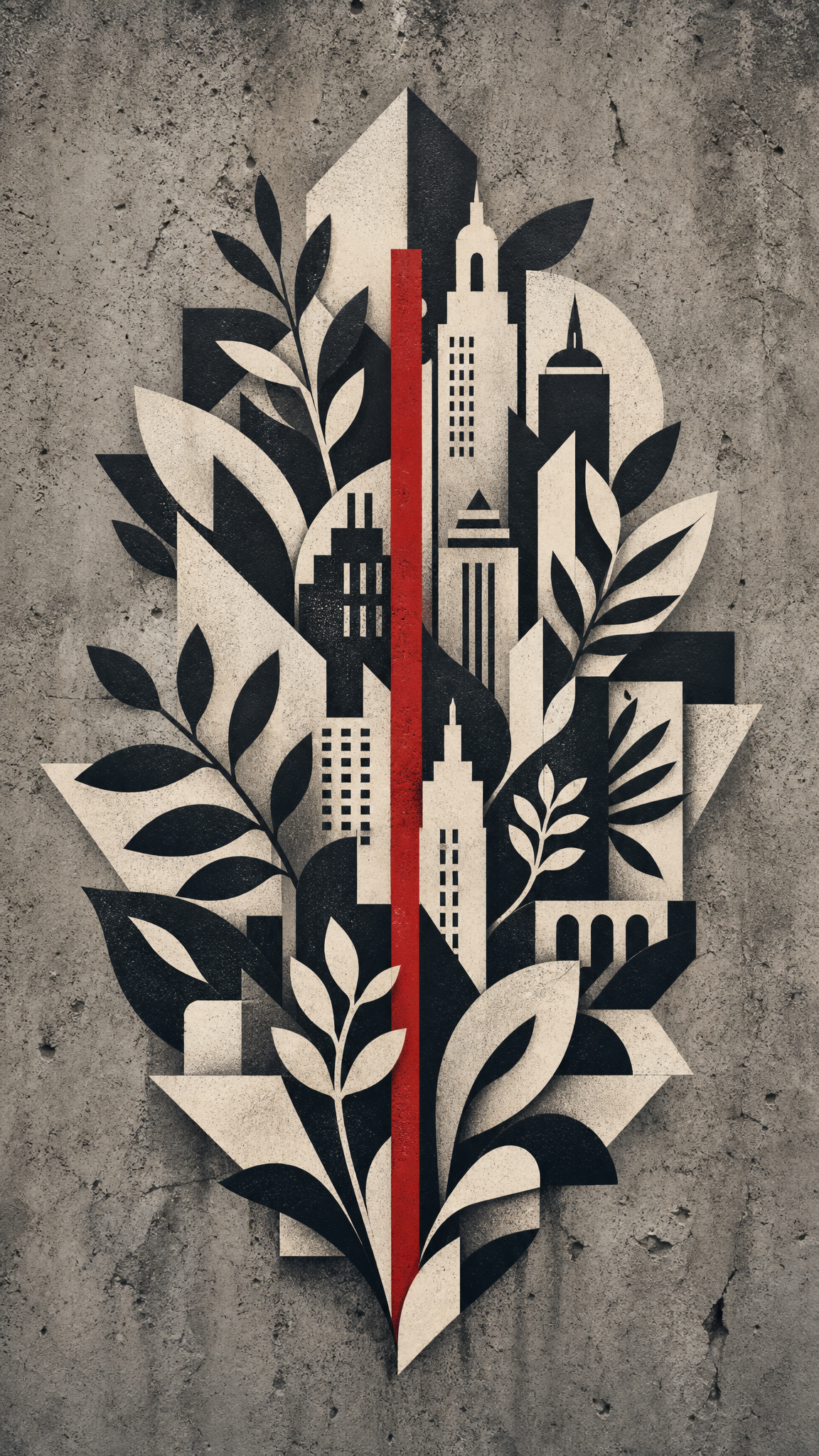
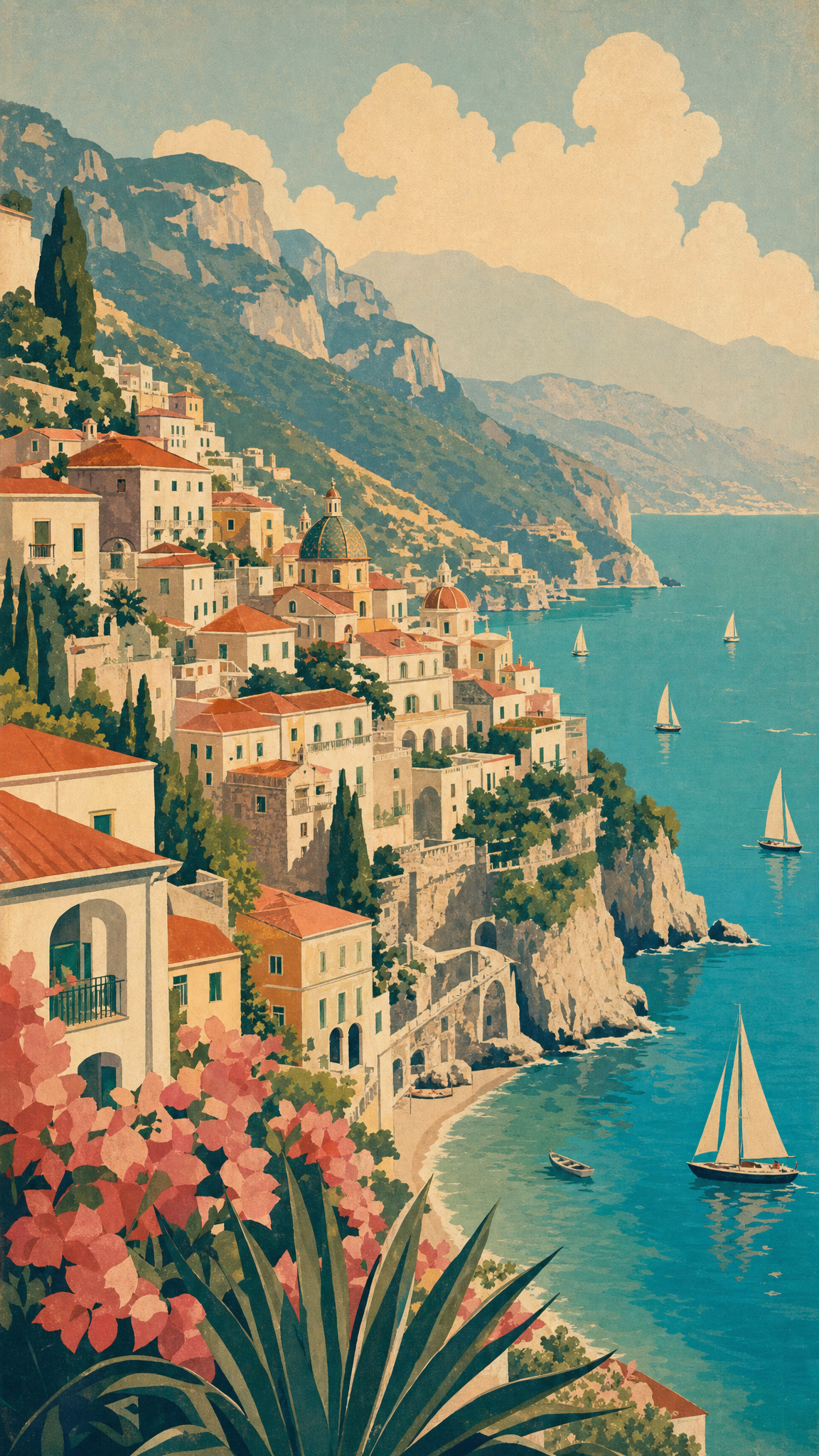
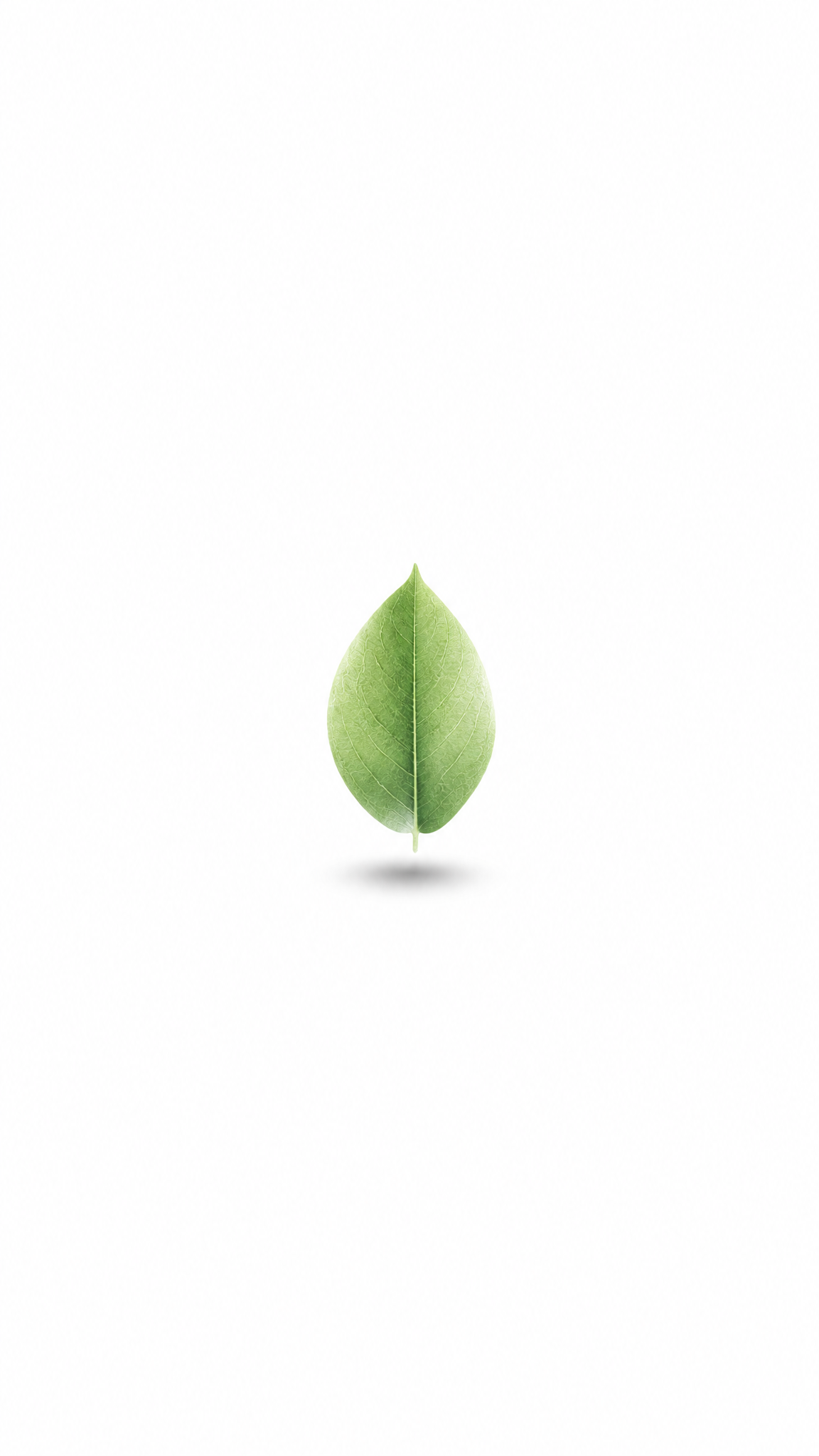
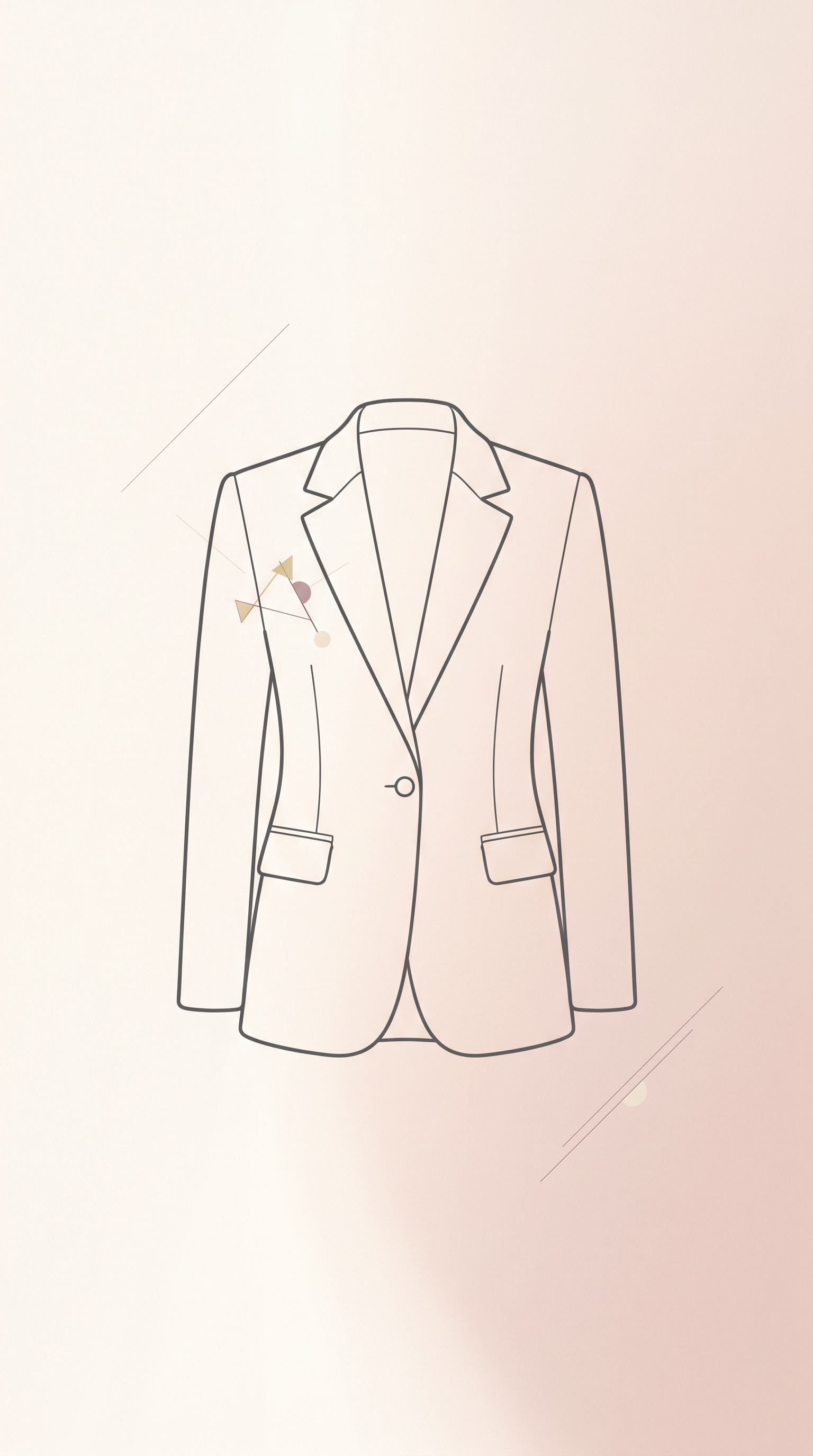
Minimalism is a visual art and design movement that originated in New York City in the early 1960s, characterized by extreme simplicity of form, geometric shapes, and the deliberate elimination of decorative elements. Rooted in the principle that art should refer only to itself — as Frank Stella declared, 'What you see is what you see' — minimalism strips compositions down to essential elements: clean lines, limited color palettes, and generous negative space. The movement drew from earlier reductionist traditions including Bauhaus, De Stijl, and Russian Constructivism, and has profoundly influenced modern digital and graphic design. For AI-generated wallpapers, the minimalist style produces serene, uncluttered compositions that emphasize geometry, muted tones, and visual breathing room.
About Minimalist Art
Minimalism emerged in New York in the early 1960s as a reaction against the emotional intensity of Abstract Expressionism. The movement crystallized around the landmark 1966 'Primary Structures' exhibition at the Jewish Museum, which featured over forty artists. Key figures include Donald Judd, who published 'Specific Objects' (1965) advocating for art based on tangible materials rather than illusionism; Frank Stella, whose Black Paintings (1958-60) became foundational works; Dan Flavin, who sculpted space using commercial fluorescent light tubes; Carl Andre, Sol LeWitt, Agnes Martin, and Robert Morris. The movement drew inspiration from De Stijl, Russian Constructivism, the Bauhaus, Mondrian's pure abstraction, and Brancusi's simplified forms. Ludwig Mies van der Rohe's dictum 'Less is more' became the movement's unofficial mantra. By the mid-2000s, minimalist principles had migrated into digital design — Google pioneered minimalist web interfaces, and the 2012-2013 flat design revolution (Windows 8, iOS 7) cemented minimalism as a dominant digital aesthetic.
Visual Traits
- Clean geometric shapes — squares, rectangles, circles, grids
- Generous negative (white) space as a compositional backbone
- Limited or monochromatic color palettes with at most one or two accent colors
- Flat textures without gradients, shadows, or skeuomorphic effects
- Bold, dramatic typography used as a visual element
- Absence of ornament, decoration, or narrative imagery
- Grid-based or mathematically systematic compositions
- High contrast between few elements and surrounding emptiness
- Industrial precision — sharp edges, razor-sharp contours
- Muted, neutral, or desaturated tones (whites, grays, blacks, soft earth tones)
Use Cases
Clean desktop backgrounds for productivity-focused work environments
Professional and corporate device setups requiring unobtrusive aesthetics
Apple/Mac-style desktops complementing hardware design philosophy
Zen or calm atmosphere screens for meditation, focus, or reading spaces
Dual-monitor setups where wallpaper should not compete with application windows
Aesthetic phone lock screens that showcase clock and notification widgets clearly
Creative studio displays where wallpaper serves as a neutral visual palette
Similar Styles
Different From
Prompt Guide
Prompt Directions
- Start with a single focal element (a line, shape, or gradient) and build restraint around it
- Specify exact color counts: 'using only two colors' or 'monochromatic grayscale'
- Emphasize negative space explicitly: 'vast empty space', 'surrounded by whitespace'
- Reference geometry: 'single circle centered on a muted background'
- Use material descriptors sparingly: 'matte finish', 'soft gradient', 'paper texture'
- Frame the mood: 'serene', 'calm', 'silent', 'contemplative', 'austere'
Tips
- Internal editorial suggestion: Use aspect-ratio-aware framing: specify '16:9 desktop wallpaper' or '9:16 phone wallpaper' to ensure the AI composes for the target screen
- Internal editorial suggestion: Pair minimalist wallpapers with a single accent color that matches your OS theme or dock color for a cohesive desktop look
- Internal editorial suggestion: Try prompting with art-historical references like 'in the style of Agnes Martin's grids' or 'inspired by Ellsworth Kelly color fields' for more refined results
- Internal editorial suggestion: Generate at higher resolution than needed, then crop — minimalist compositions survive cropping better than complex ones
Recommended Keywords
Avoid
Common Failures
- Adding too many elements — minimalism requires restraint; even three objects can feel cluttered
- AI generators defaulting to center-heavy compositions instead of using asymmetric negative space
- Over-saturated colors breaking the muted, restrained palette expectation
- Generating textures or patterns where solid flat areas were intended
- Producing 'empty' rather than 'minimal' — good minimalist wallpapers have intentional composition, not just blank space