#Acid Graphics
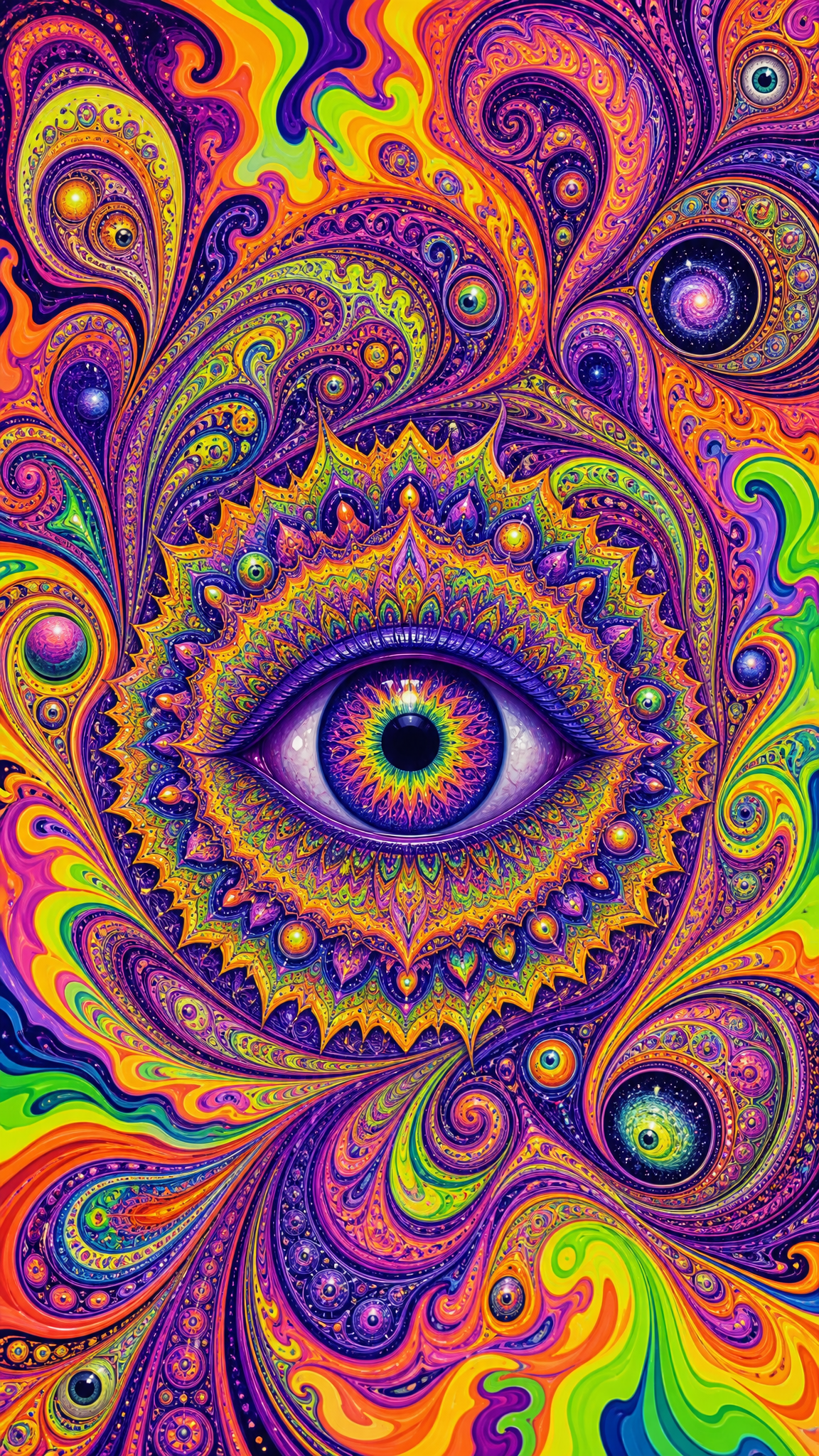
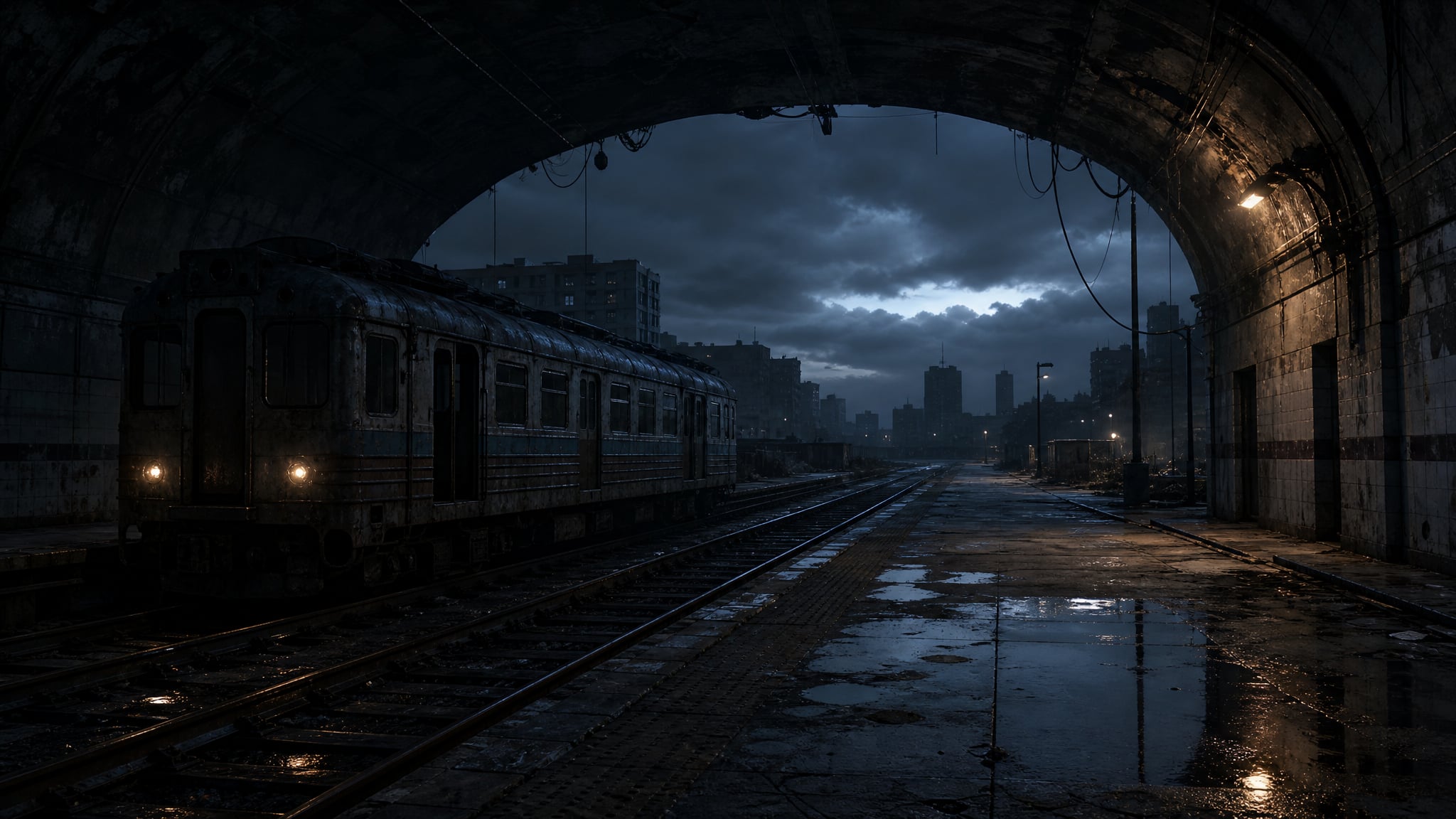
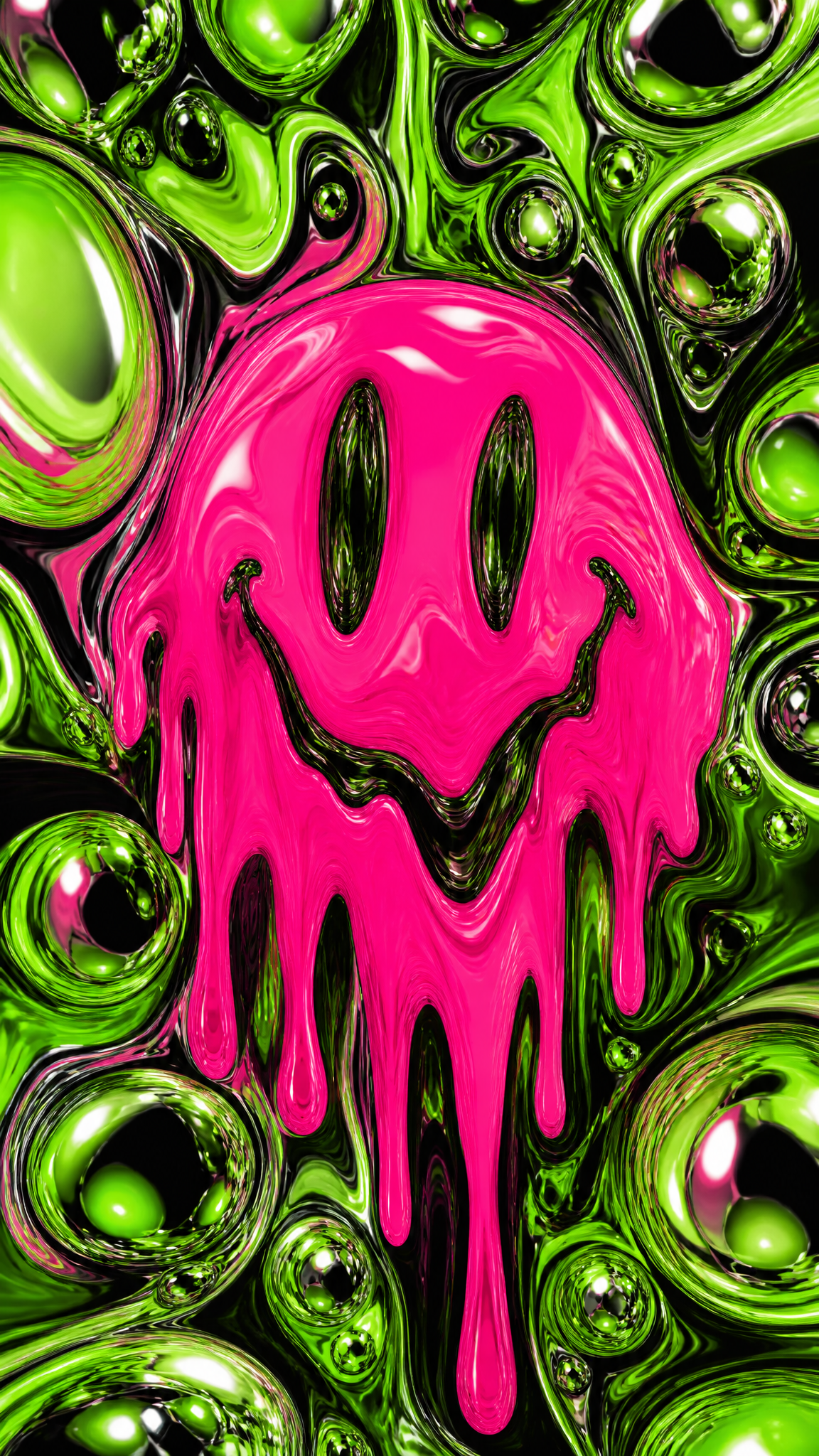
Acid graphics wallpapers push digital design into a deliberately unstable, high-stimulus state: warped type, liquid-metal surfaces, rave-flyer density, fluorescent color, and a mood that feels synthetic, trippy, and slightly confrontational. The style is contemporary, but its strongest roots run through 1960s psychedelic graphics and the visual residue of late-1980s and 1990s rave culture.
About Acid Graphics Art
The verified source set supports a narrow but defensible lineage for acid graphics. AIGA Eye on Design explicitly frames acid graphics as a new psychedelia, while its rave-culture feature shows how rave flyers and club graphics shaped the anti-clean, anti-corporate visual logic behind the style. ICON's psychedelic-design history article pushes the lineage further back by tying these later revivals to the broader psychedelic break from modernist precision. Together, these sources support acid graphics as a contemporary digital revival of psychedelic and rave-era visual disorder rather than a timeless or formally fixed movement.
Visual Traits
- Warped or stretched typography with unstable readability
- Liquid-metal or chrome-like 3D elements
- Fluorescent or high-saturation color on dark fields
- Broken grids and collage-like spatial friction
- Poster and flyer energy rather than calm editorial clarity
- Trippy texture, distortion, and anti-clean digital polish
- A sense of deliberate visual overload
- A rave-adjacent, underground, or subcultural mood
Use Cases
Music-oriented wallpapers for electronic, club, and festival moods
Streetwear or subculture-led device themes
Desktop backgrounds that need sharp attitude rather than calm neutrality
Poster-like phone wallpapers with strong typographic or emblematic focus
Experimental digital-art packs built around chrome, distortion, and neon
Similar Styles
Different From
Prompt Guide
Prompt Directions
- Name the style directly, such as 'acid graphics wallpaper' or 'acid rave poster aesthetic'
- Add material cues like liquid metal, chrome blobs, warped plastic, or fluorescent glow
- Use typography and layout language: distorted type, broken grid, rave flyer density, anti-clean composition
- Keep the palette sharp and synthetic with lime, magenta, toxic blue, silver, black, or infrared accents
- If the result becomes generic Y2K, add more rave-flyer roughness and more psychedelic distortion
Tips
- Internal editorial suggestion: acid graphics reads best when type and material are both pushing in the same direction.
- Internal editorial suggestion: one stronger chrome object often works better than many small metallic fragments.
- Internal editorial suggestion: cross-link with `psychedelic`, `glitch`, and `liquid-chrome` helps users separate overlapping digital-intensity styles.
- Internal editorial suggestion: desktop crops can handle denser poster logic, while phone wallpapers need one dominant focal cluster.
Recommended Keywords
Avoid
Common Failures
- The image turns into generic Y2K chrome without the harder rave edge
- Typography becomes random noise with no compositional control
- The wallpaper is bright but not actually acidic because it lacks distortion and tension
- Too many 3D effects bury the flyer-like graphic hierarchy