#Expressionism
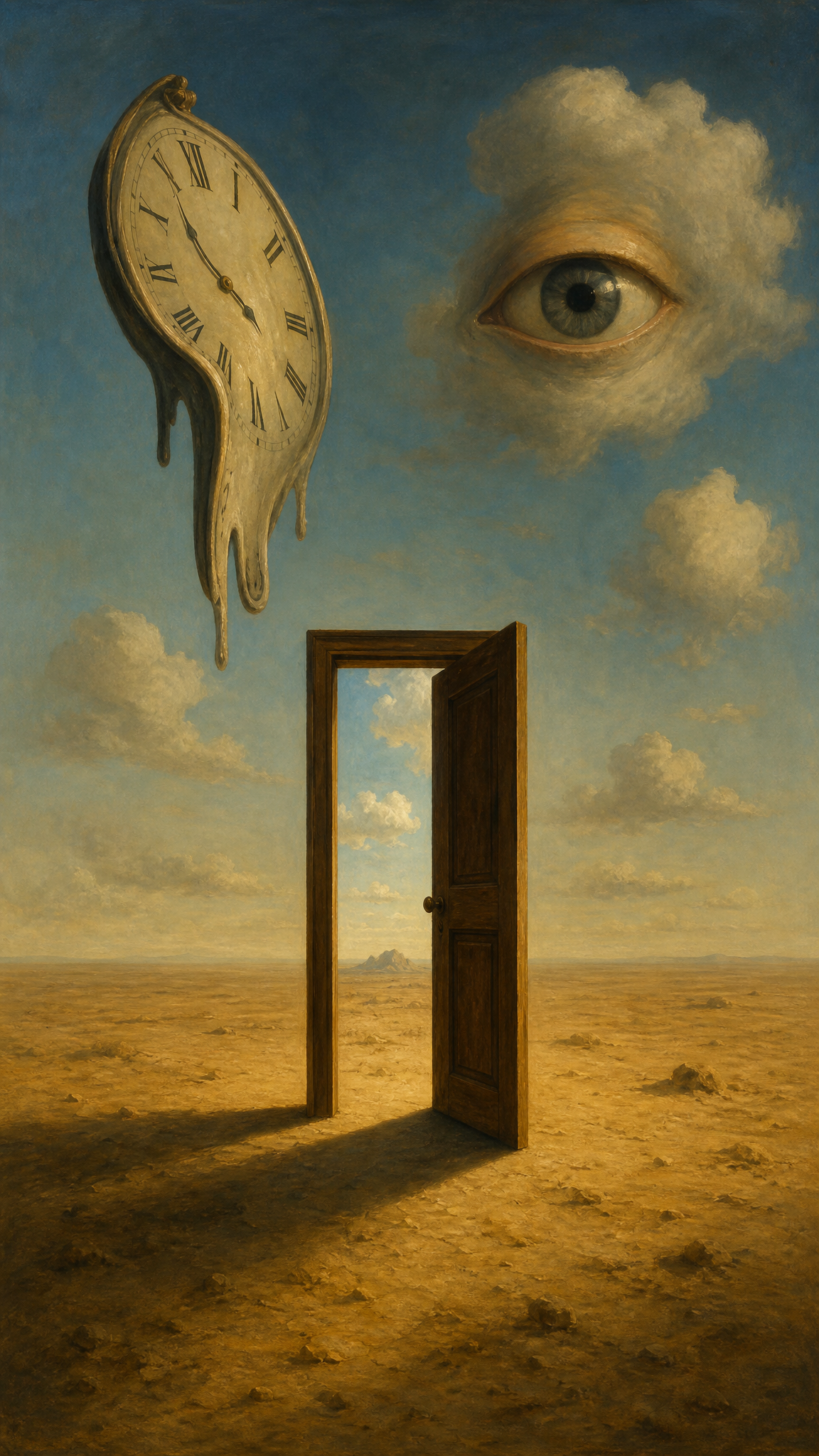
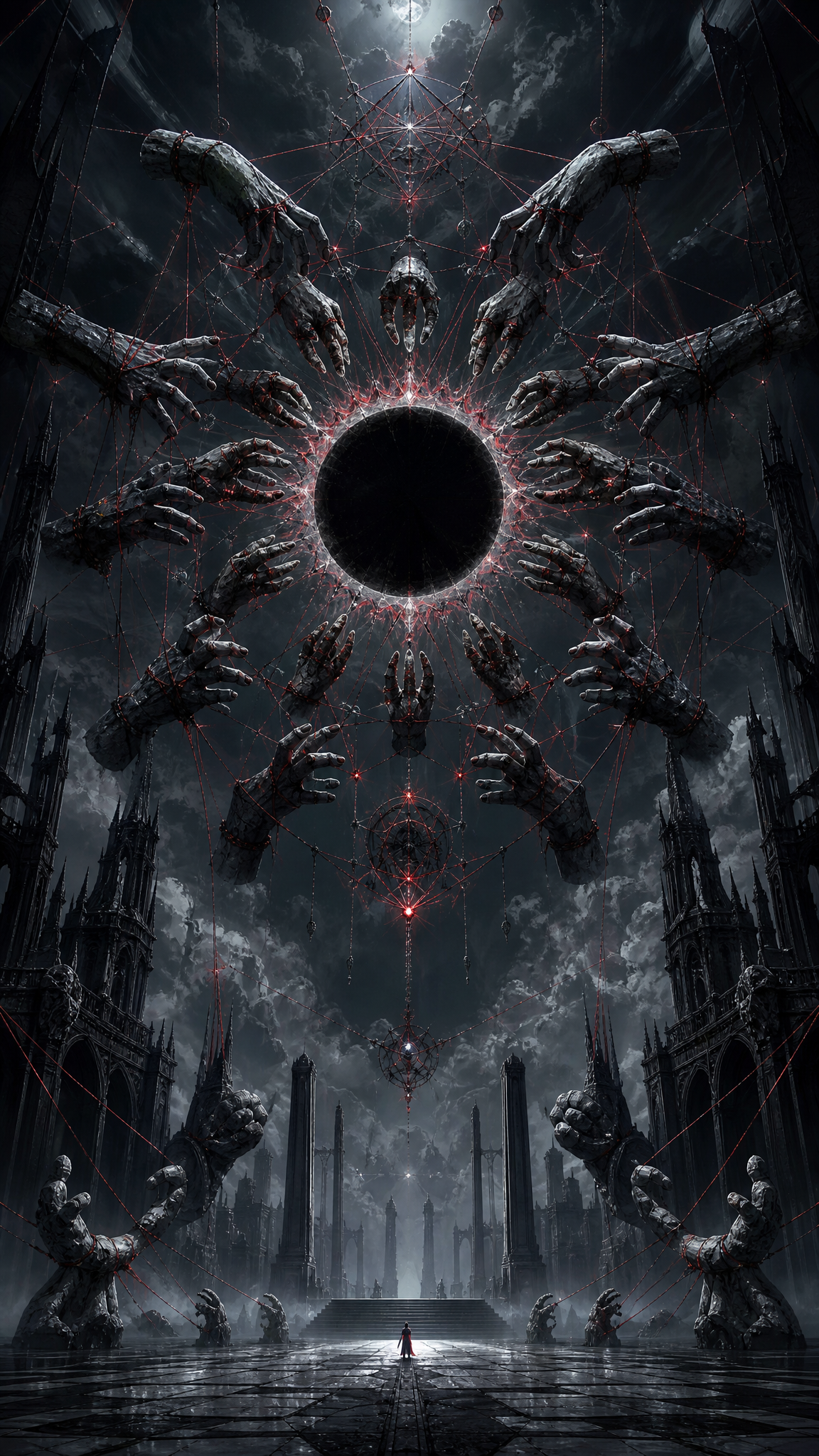
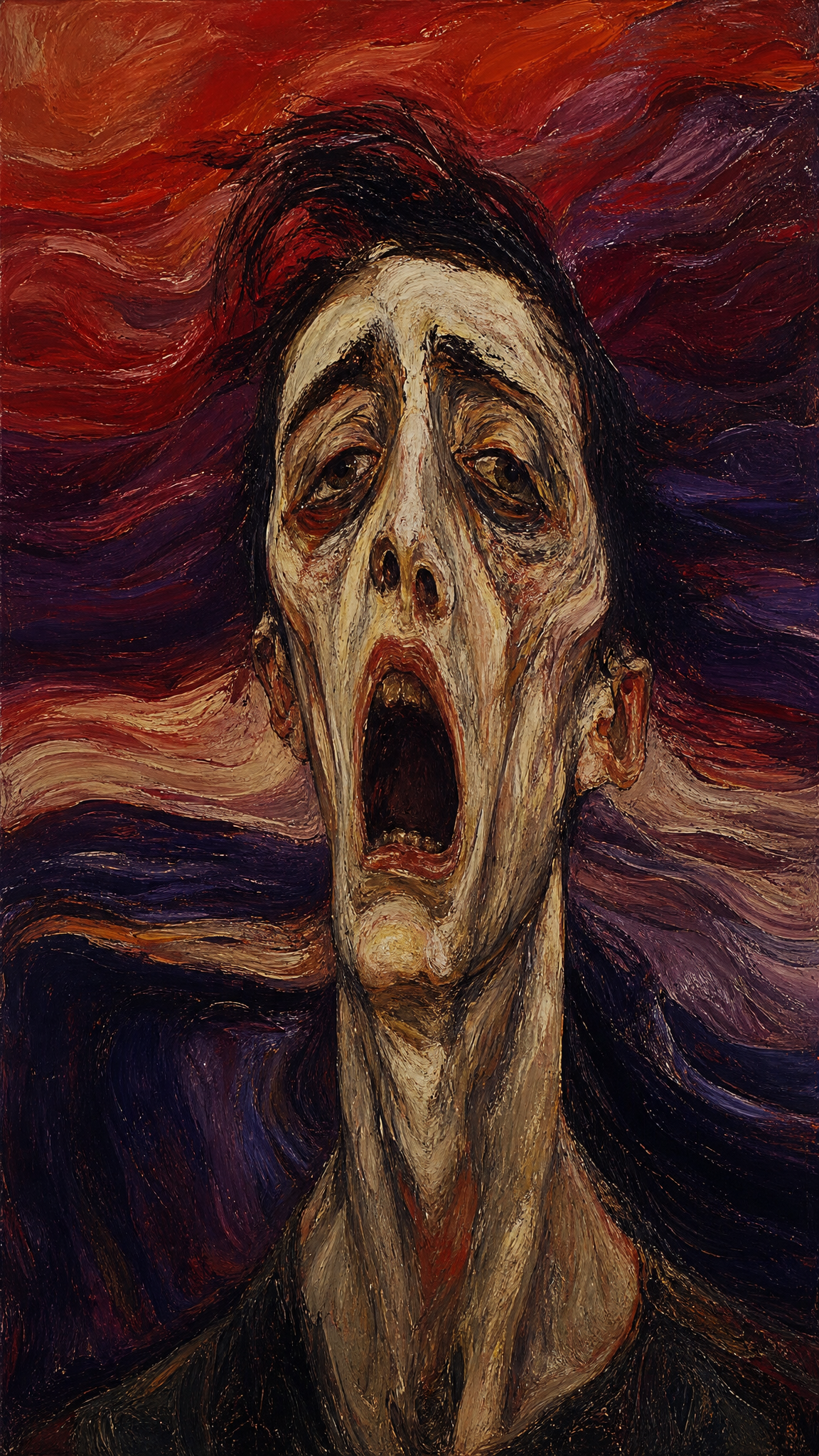
Expressionism wallpapers foreground emotion over optical accuracy. Instead of calm realism, they use distortion, intensified color, sharp angular form, rough texture, and psychological charge to convey inner experience. In wallpaper terms, Expressionism is the right fit when a background should feel emotionally urgent, dramatic, and visually alive rather than merely beautiful.
About Expressionism Art
Expressionism developed in the early 20th century as artists increasingly rejected realistic depiction in favor of subjective emotion and inner experience. Tate defines expressionist art through that emphasis on spiritual and emotional truth, while the National Gallery of Art specifically describes German expressionists as responding to early-20th-century cultural and political upheaval through bold distortions, angular simplified forms, and unnatural color. The movement's visual language later influenced printmaking, theater, film, and modern graphic design whenever intensity mattered more than naturalism.
Visual Traits
- Distorted figures, buildings, or landscapes used for emotional effect
- Intense and often non-naturalistic color
- Angular simplified forms and uneasy compositions
- Rough brushwork or visibly forceful surface treatment
- Psychological tension instead of calm balance
- Faces or bodies that feel strained, haunted, or exaggerated
- Urban anxiety, spiritual unrest, or dramatic solitude
- High contrast and dark-outline emphasis in many variants
- A sense of emotional pressure rather than detached observation
- Images that privilege inner experience over literal likeness
Use Cases
Mood-heavy wallpapers for dark creative setups
Psychological or dramatic portrait-themed backgrounds
Film, literature, and game workspaces that need intensity instead of serenity
Poster-like mobile wallpapers with strong angular silhouettes
Art-history-inspired desktop themes that avoid decorative prettiness
Similar Styles
Different From
Prompt Guide
Prompt Directions
- State the style directly: 'Expressionist wallpaper' or 'German Expressionist painting atmosphere'
- Use emotional cues such as anxiety, unrest, spiritual tension, melancholy, or urban intensity
- Ask for angular forms, bold distortions, and non-naturalistic color rather than realism
- If portrait-based, emphasize exaggerated face structure, rough brushwork, and psychological presence
- If landscape-based, use jagged trees, slanted streets, burning skies, or unstable architecture
Tips
- Internal editorial suggestion: Expressionism works best when a single dominant emotion is chosen before subject matter.
- Internal editorial suggestion: Portrait and cityscape variants usually outperform nature scenes for recognizably expressionist results.
- Internal editorial suggestion: Cross-link with `dark-fantasy`, `surrealist`, and `oil-painting` helps separate medium from movement intent.
- Internal editorial suggestion: For wallpaper usability, keep one calmer icon-safe area even when the rest of the frame is tense.
Recommended Keywords
Avoid
Common Failures
- Making the result merely dark instead of emotionally charged
- Adding distortion without any compositional purpose or mood
- Letting the image slip into horror cliche instead of expressionist tension
- Using photoreal rendering that cancels the expressive surface