#Oil Painting
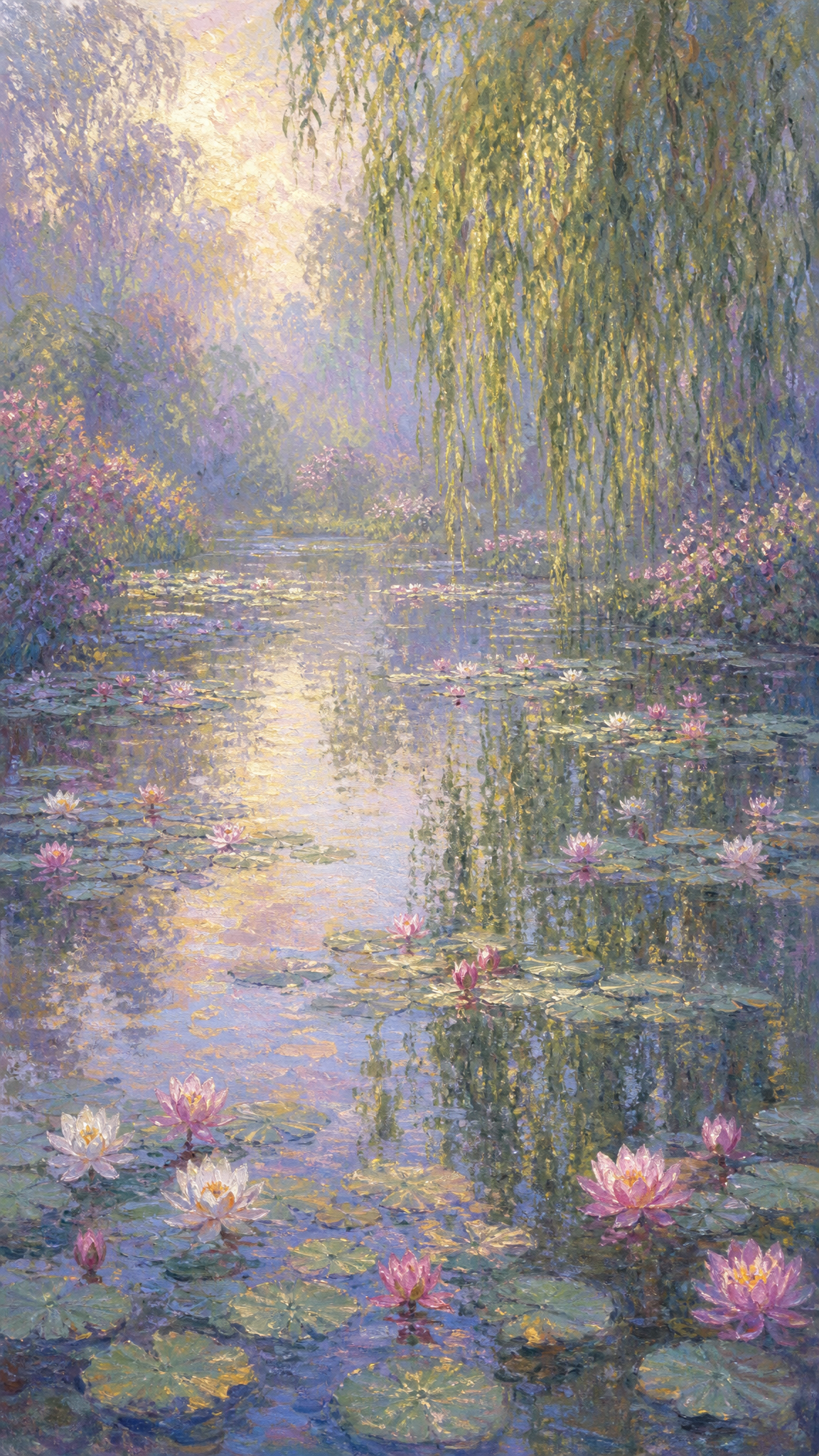
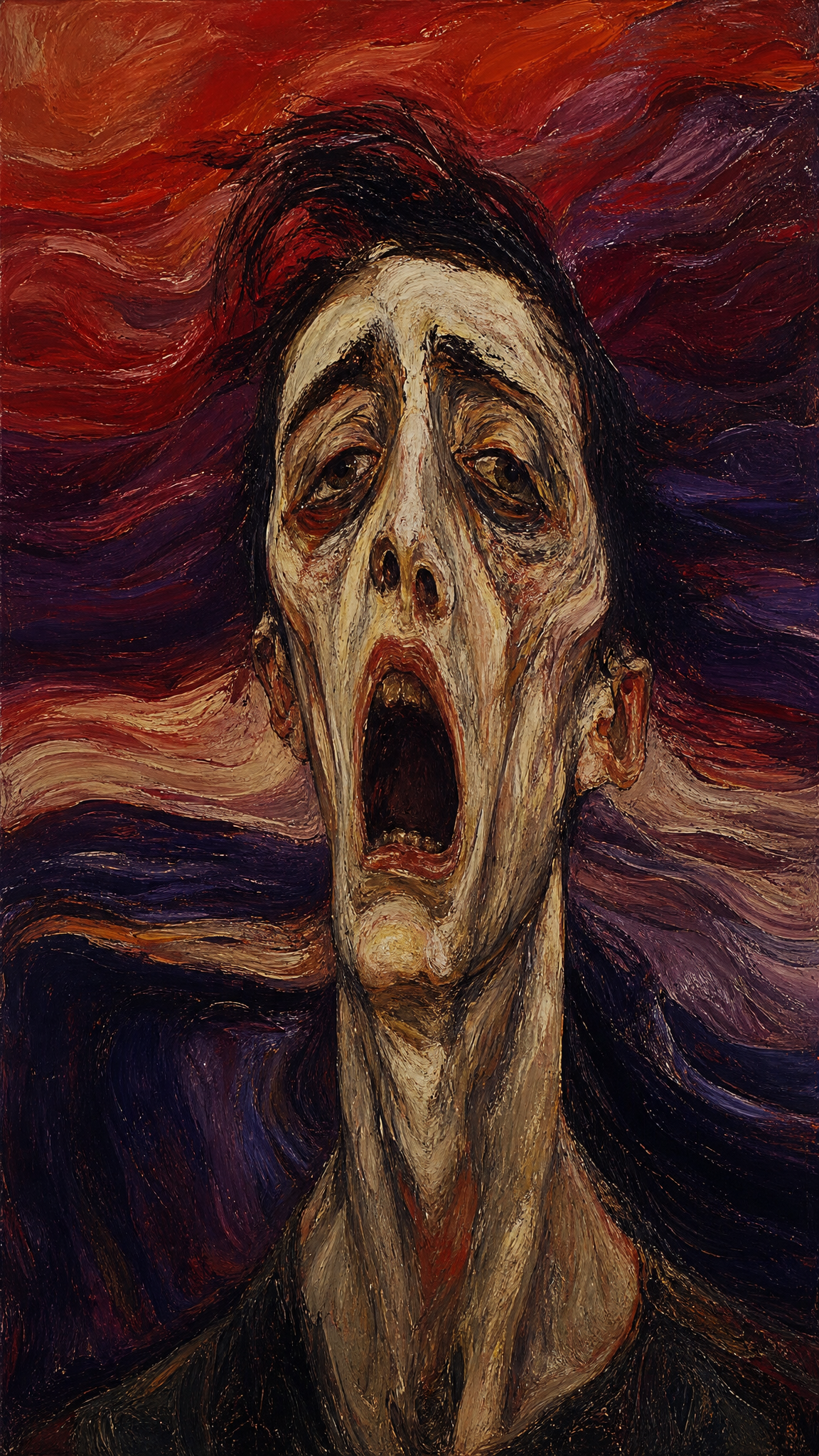
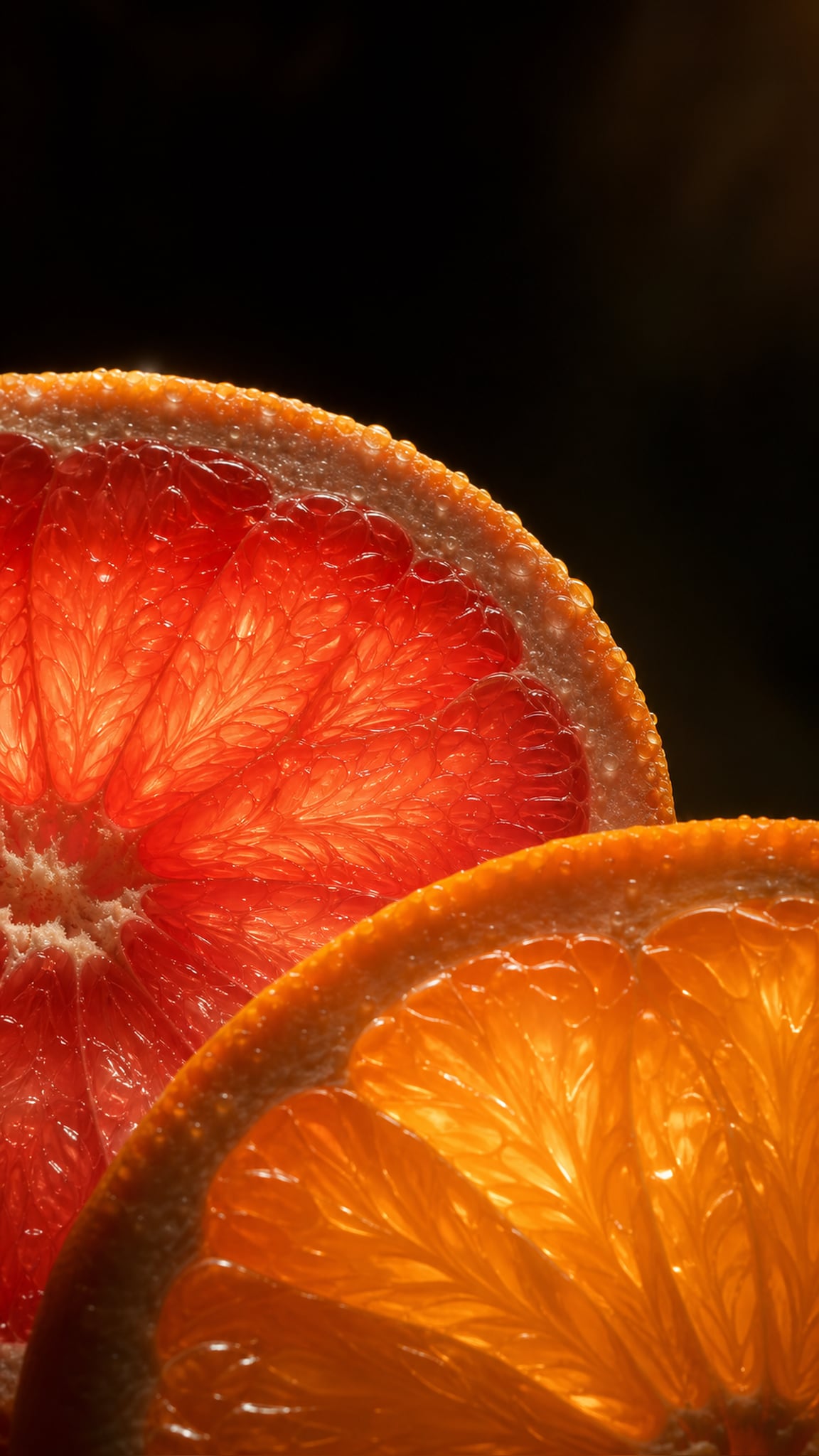
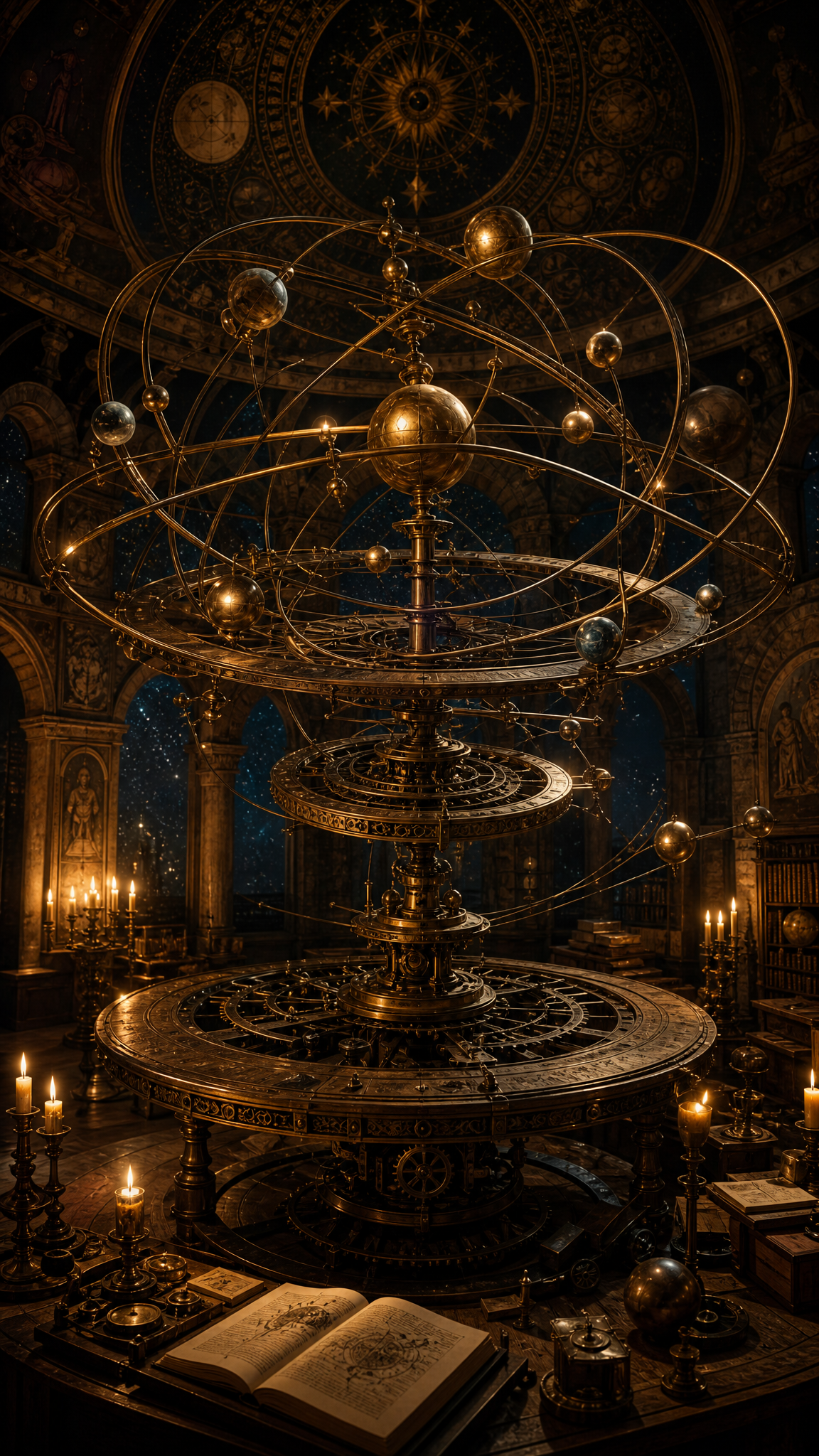
Oil painting wallpapers borrow the visual depth of one of the most influential media in Western painting: rich pigment, visible brushwork, glazing, impasto, and a sense that color has been built slowly rather than laid down instantly. As a wallpaper style, oil painting is less about one movement than about material richness, painterly authority, and the visual memory of museum painting traditions.
About Oil Painting Art
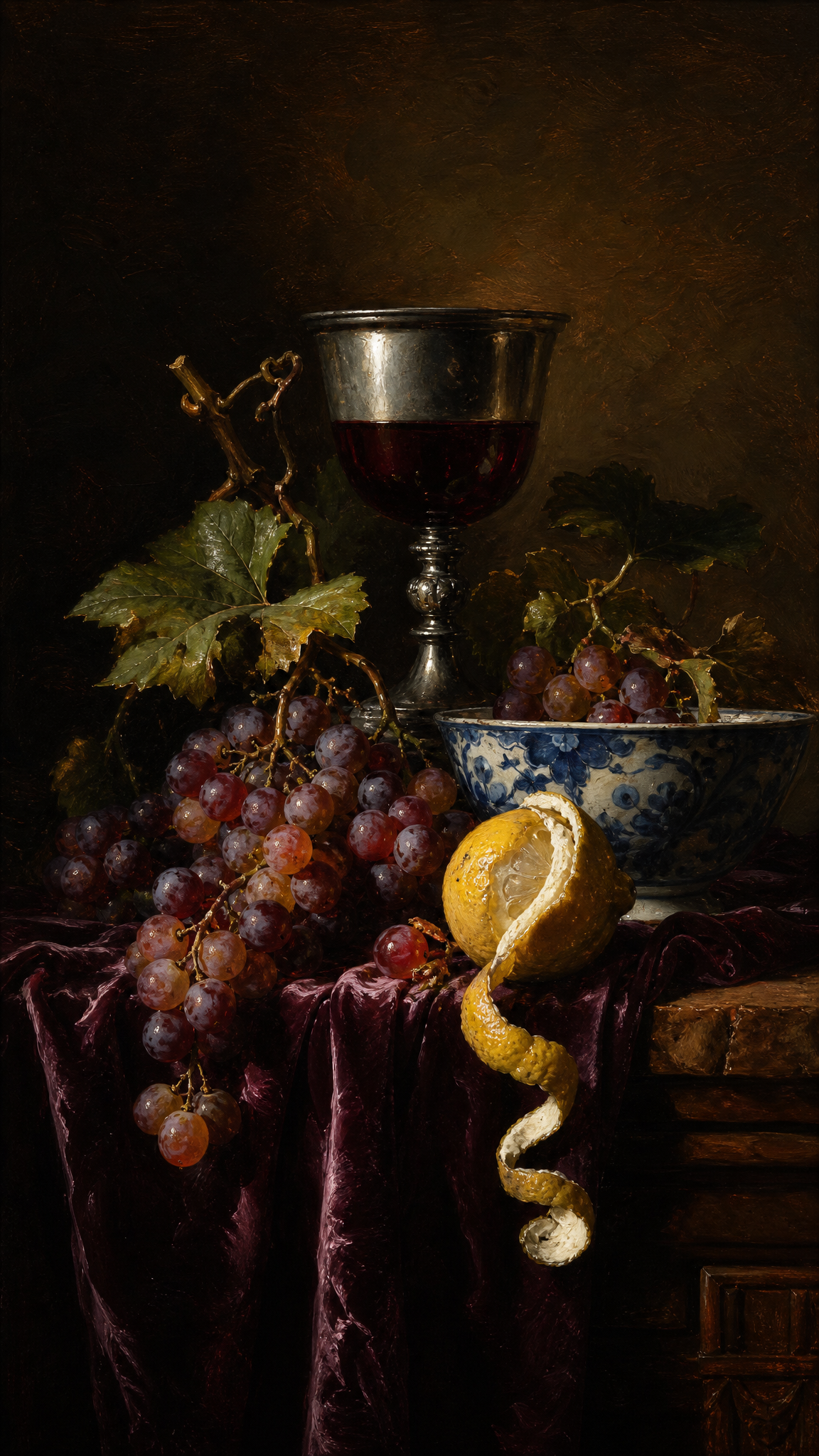
Oil painting is a medium made from pigments suspended in drying oils and is distinctive for the range it allows: opaque, transparent, and translucent passages, subtle tone fusion, crisp linear treatment, and dramatic textural variation. Britannica highlights those medium properties directly. Art UK's Renaissance overview, meanwhile, explicitly identifies the use of oil paint as an innovative aspect of Northern Renaissance art and notes how artists such as Jan van Eyck used it to achieve intense detail and color. Together, those sources support a wallpaper treatment that emphasizes glaze, impasto, visible brush marks, and museum-painting depth rather than flat digital finish.
Visual Traits
- Visible brushwork ranging from smooth blending to thick impasto
- Color depth created through layered-looking surface treatment
- A sense of pigment body rather than flat digital fill
- Rich tonal transitions and luminous highlights
- Canvas-like or panel-like painted material presence
- Classical portrait, still life, landscape, or atmospheric study associations
- Surface texture that suggests hand-built paint application
- Museum-painting seriousness and historical continuity
- Warm shadow structure and complex mixed color
- A stronger sense of substance than watercolor or ink-led styles
Use Cases
Art-history-driven desktop wallpapers with painterly depth
Portrait or landscape wallpapers meant to feel museum-like rather than digital
Creative studio environments that want cultural and material richness
Classical or premium-themed device backgrounds with visual gravitas
Wallpaper sets organized by brush texture, impasto, or glaze-led mood
Similar Styles
Different From
Prompt Guide
Prompt Directions
- Name the medium effect directly: 'oil painting wallpaper' or 'museum oil-on-canvas feel'
- Choose whether you want glazing smoothness, visible brushwork, or thick impasto as the dominant surface behavior
- Specify a subject that suits painterly depth: portrait, still life, dramatic sky, flower study, or classical landscape
- Use material cues such as canvas texture, layered pigment, rich oil color, or hand-painted surface
- If the image looks too digital, increase pigment body, brush marks, and tonal blending instead of adding filters
Tips
- Internal editorial suggestion: Oil-painting intent should usually specify surface behavior first and subject second.
- Internal editorial suggestion: Portrait, floral, and landscape variants each need different brush density to remain wallpaper-safe.
- Internal editorial suggestion: Cross-link with `impressionism`, `expressionism`, and `watercolor` helps users separate movement from medium.
- Internal editorial suggestion: For desktop use, keep the heaviest impasto away from dense icon zones.
Recommended Keywords
Avoid
Common Failures
- Adding generic 'painting' texture without believable oil depth
- Making the result too blurry and losing the brush-built surface
- Using uniformly thick strokes everywhere with no tonal control
- Letting the image look like a filter on a photo rather than an oil-made image