#Floral
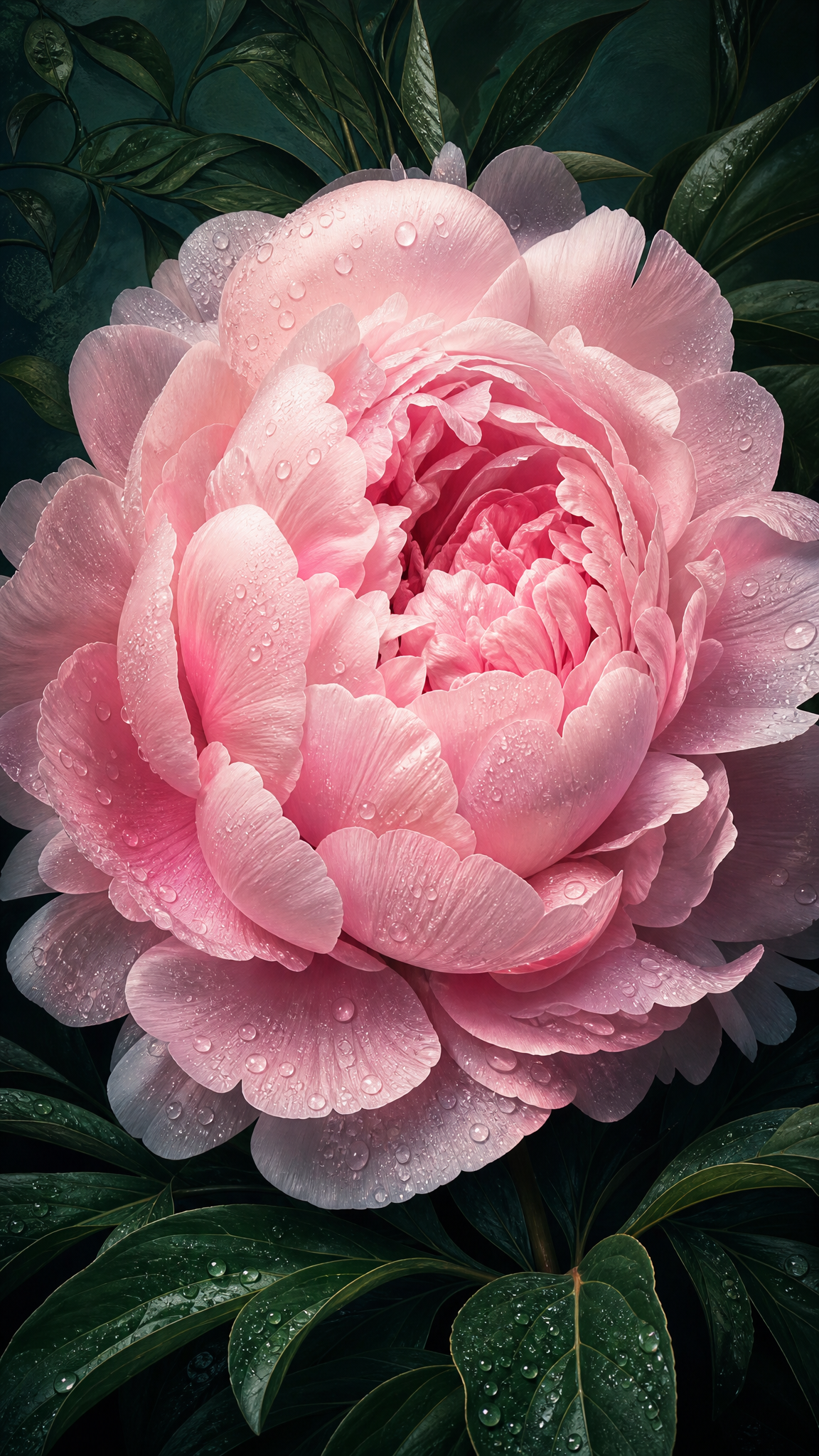
Floral wallpapers build visual richness from flowers, leaves, vines, stems, and botanical repetition. Depending on treatment, the style can feel romantic, decorative, scientific, vintage, or boldly ornamental, but its common thread is organic motif design. Floral works especially well as wallpaper because repeated natural forms create pattern, softness, and visual abundance without needing one literal narrative scene.
About Floral Art
The verified source set supports floral style as both decorative-art history and botanical visual culture. The V&A's wallpaper history and William Morris articles document the long role of floral motifs in decorative surfaces, especially in printed wallpaper traditions. Britannica broadens the subject through floral decoration, while Kew Gardens adds the botanical-illustration angle, showing how flowers also developed as a disciplined visual subject rather than only ornament. These sources together support floral as a durable visual language spanning decoration, design, and natural study.
Visual Traits
- Flowers, leaves, stems, vines, and repeating botanical structures
- Organic curves and layered petal or foliage rhythm
- Palettes that can range from muted garden tones to bright decorative color
- Pattern logic suited to repeats, borders, or all-over surfaces
- A balance between natural observation and stylized ornament
- Dense visual texture without the hardness of geometric patterning
- Softness, abundance, and decorative rhythm rather than stark minimal reduction
- Surface richness that works well in both close crop and repeated composition
Use Cases
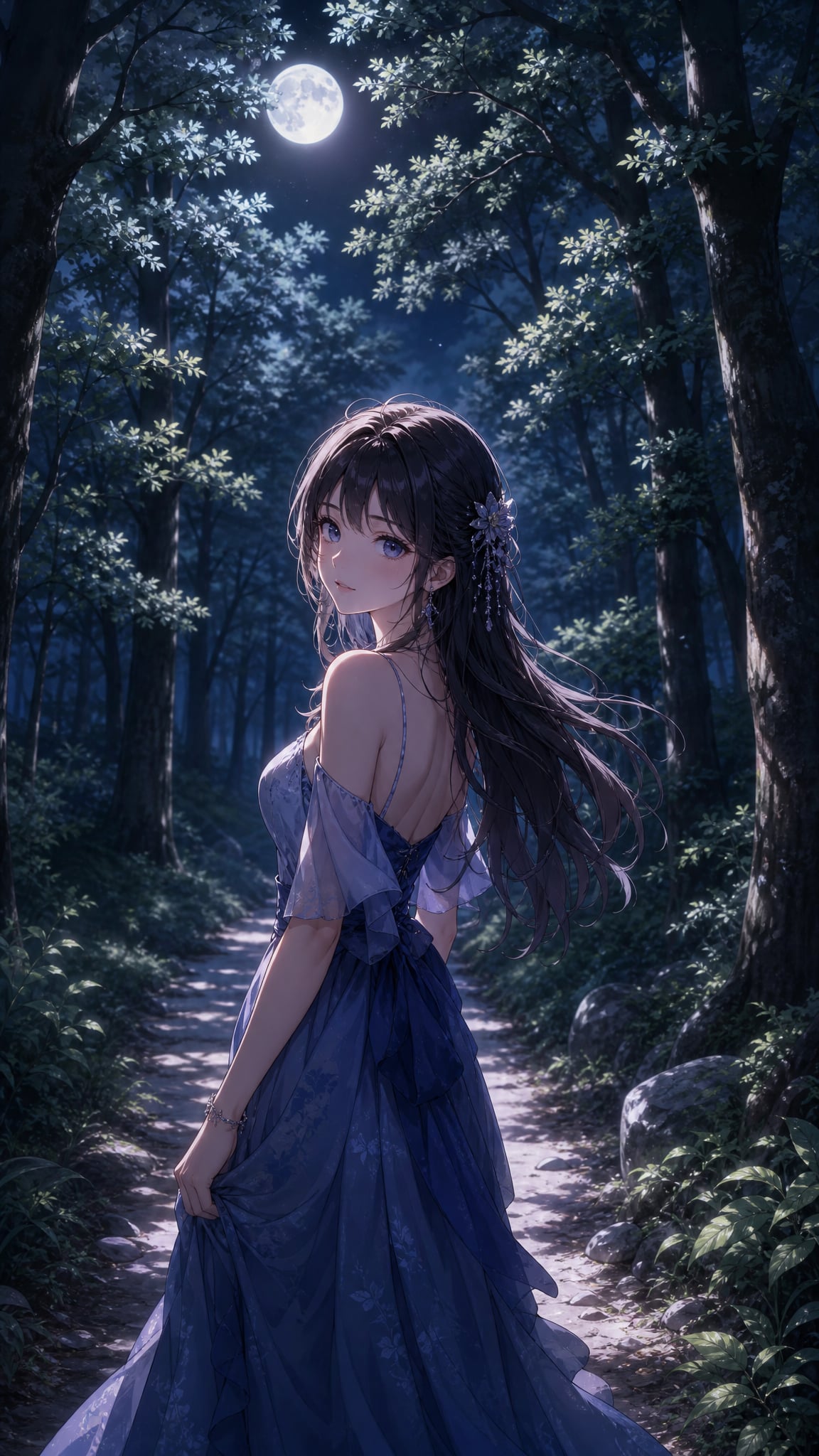
Phone and desktop wallpapers with soft decorative richness
Botanical pattern backgrounds for spring, summer, or romantic themes
Interior-inspired screens that need warmth and visual abundance
Vintage, Art Nouveau, or cottage-led wallpaper packs
Repeating pattern wallpapers for stationery-like or textile-like moods
Similar Styles
Different From
Prompt Guide
Prompt Directions
- Choose whether you want realistic botanical detail or decorative stylization first
- Name the flower family if you want clearer motif control: roses, peonies, irises, daisies, wildflowers, or mixed meadow florals
- Specify whether the result should be repeating pattern, bouquet, border, or full immersive floral field
- Use palette direction such as faded garden tones, jewel-toned ornament, or fresh spring color
- If the result feels generic, add historical or decorative context such as Morris-like wallpaper, botanical illustration, or Art Nouveau floral pattern
Tips
- Internal editorial suggestion: floral wallpapers need a clear level of stylization before color choices are finalized.
- Internal editorial suggestion: repeating-pattern variants and bouquet-style variants should be treated as different intents.
- Internal editorial suggestion: desktop wallpapers can sustain denser repeats than phones.
- Internal editorial suggestion: cross-link with `art-nouveau`, `watercolor`, and `cottagecore` improves user navigation through adjacent botanical styles.
Recommended Keywords
Avoid
Common Failures
- The image becomes random flower scatter without any compositional rhythm
- Every flower is equally detailed and the wallpaper loses hierarchy
- The palette is too loud for the intended softness
- The design becomes generic decorative texture with no botanical personality